
Not all QR codes are the same! Learn the differences between Static and Dynamic QR codes and how they work.
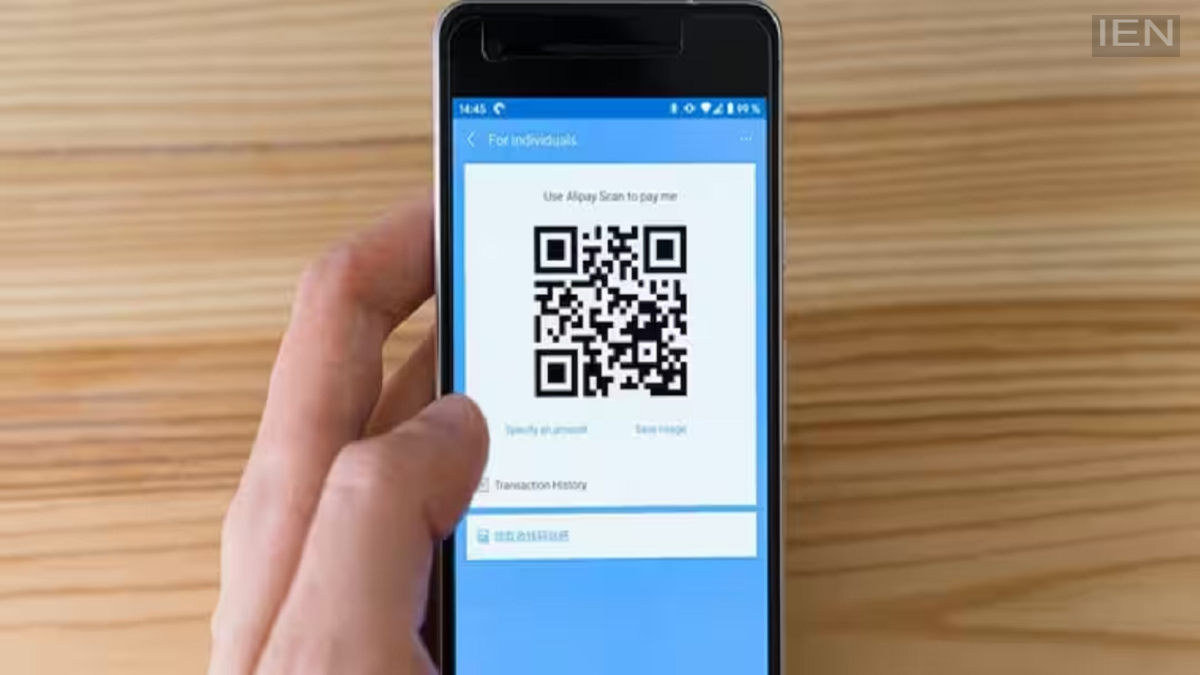
Static vs. Dynamic QR Code: With these, the information or link embedded within the QR code can be updated at any time without needing to change the code itself.
Static vs. Dynamic QR Code: In today's digital world, most tasks are performed online, leading to widespread use of QR codes. They are used for everything from online payments to accessing product information. There are two main types of QR codes: Dynamic and Static. Let’s explore the differences between them.
What is a Dynamic QR Code?
Dynamic QR codes are based on more advanced technology. They allow you to update the embedded information or link at any time without changing the QR code itself. For instance, if you print a QR code in an advertisement and the website link changes later, you won't need to create a new QR code. Simply updating the link on the backend allows the existing QR code to direct users to the new website.
What is a Static QR Code?
A Static QR code is a permanent code. Once information is added to it, it cannot be changed. For example, if a website link or a piece of text is saved in the code, it remains fixed. This type of QR code is ideal for situations where the information does not need to be updated in the future.
What is the major difference?
The key difference is that the information in a Static QR code is fixed permanently, whereas the content in a Dynamic QR code can be modified as needed. Additionally, Dynamic QR codes provide insights such as how many times the code was scanned, where the scans occurred, and the time of the scans.
Which one is better?
If you simply need to share a standard link or information that will not change in the future, a Static QR code is the right choice for you. On the other hand, if you are running a business, marketing campaign, event, digital menu, or promotional offer that requires periodic information updates, a dynamic QR code could prove to be a better option.
