
No more passwords—this method will now secure your account! Find out how it works..
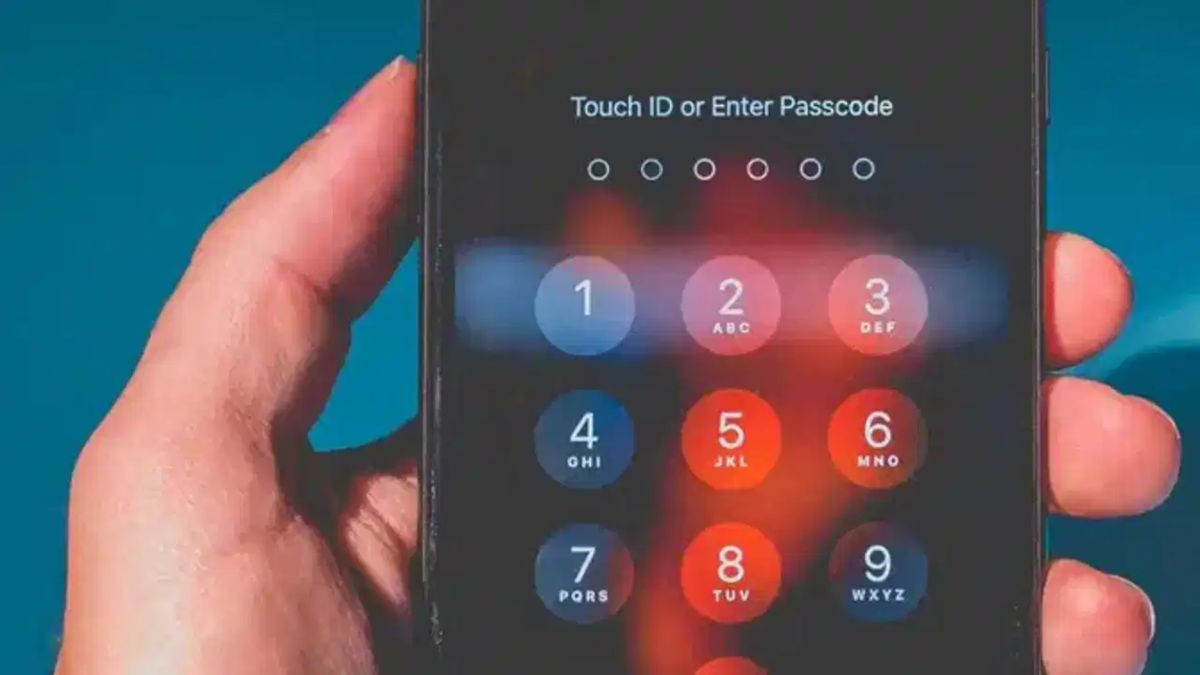
In today's digital age, security is paramount across the board—from smartphones and banking apps to email and social media. It is generally believed that the longer and more complex a password is, the more secure the account remains. While this holds largely true for online accounts, the scenario can differ slightly when it comes to unlocking a smartphone.
A long password is not always necessary for a smartphone. In many situations, a strong PIN can prove to be a more convenient and practical security option. However, this does not mean that just any short PIN is secure.
Why isn't a long password always better?
Long passwords can offer robust protection against cyberattacks, especially when they contain the right mix of letters, numbers, and special characters. However, using an excessively long password to unlock a smartphone can sometimes be inconvenient.
Complex passwords are not easy to remember. Consequently, a user might write it down on paper, save it in a notes app, or share it with someone else. In this way, security can be compromised despite having a technically strong password.
When can a PIN be a better option?
A well-chosen PIN for a smartphone can provide effective security despite being short. Modern phones can activate additional security measures if an incorrect PIN is entered repeatedly. These measures may include increasing wait times before retrying, temporary lockouts, and other security restrictions.
Another advantage of a PIN is that it is relatively easy to remember and type. This reduces the need for users to write it down anywhere. That is why a strong PIN can be an excellent choice for a phone's lock screen.
The real issue is a weak PIN
A short PIN is a better option only if it is not easily guessable. Common PINs like 1234, 0000, or 1111 should be avoided. Similarly, one should not use dates of birth or numbers that someone with basic knowledge about you could easily guess.
If your smartphone offers the option to set a PIN with six or more digits, choosing a longer and unique PIN may be a better approach. The harder it is for someone else to guess, the greater the security.
Passwords are essential for online accounts.
A phone's PIN and an online account password serve different purposes. While a strong PIN can be used to unlock a smartphone, it is crucial to maintain distinct, strong passwords for email, banking, and website accounts.
Long, unique passwords offer superior security for online accounts. You should avoid using the same password across multiple services. Additionally, wherever the option is available, be sure to activate Two-Factor Authentication (2FA); this adds an extra layer of security beyond just the password.
Ultimately, smartphone security does not depend solely on password length. It is more important to choose a PIN or password that is strong yet easy to remember—one that does not require you to write it down anywhere.
Disclaimer: This content has been sourced and edited from TV9. While we have made modifications for clarity and presentation, the original content belongs to its respective authors and website. We do not claim ownership of the content.
