
New WhatsApp rules have been implemented. What will the impact be on your phone? The government has a big plan..
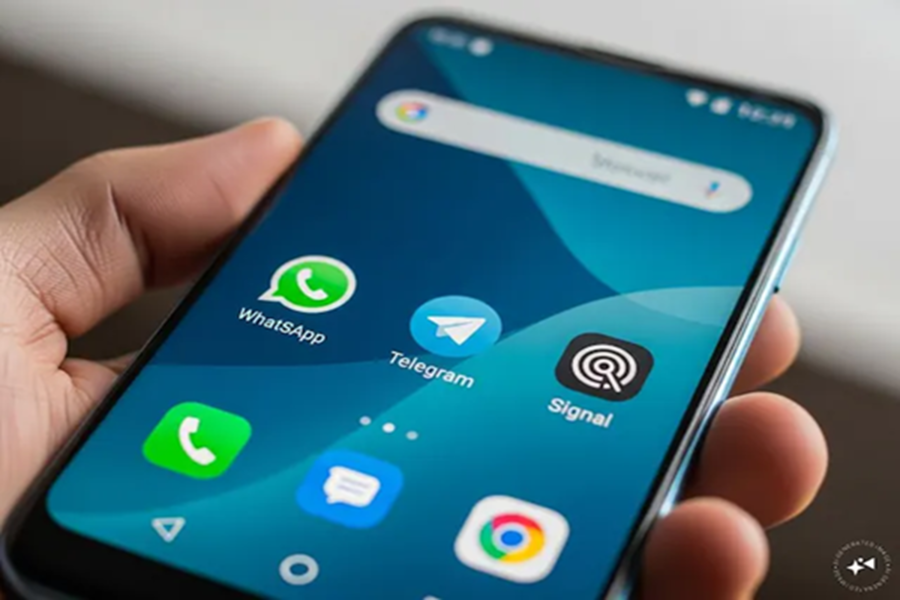
Starting yesterday, March 1st, the way messaging apps are used in India has changed. Users will now have to ensure that their registered SIM is always active and present on their device. In response to the rapidly increasing number of cyber fraud and digital fraud cases in India, the government has taken a significant step. Major messaging platforms in the country will now have to adhere to strict SIM-binding rules.
The Department of Telecommunications (DoT) has officially directed several app companies, including WhatsApp, Telegram, Signal, Snapchat, ShareChat, JioChat, Arattai, and Josh, to ensure that their services only work if the registered SIM card is present and active in the respective mobile device.
This order was issued under the Telecom Cyber Security (TCS) Rules, 2024. Companies were given a 90-day deadline, which ends on February 28th, and the new rule came into effect yesterday, March 1st. The government says this step is necessary to curb the increasing incidence of SIM-swap scams, fake identities, and online fraud.
What changed (from March 1)?
If the registered SIM is removed, replaced, or deactivated from a mobile device, the associated app will stop working on that device.
Service will only resume after re-inserting the correct SIM and authenticating.
Web/desktop versions like WhatsApp Web and Telegram will auto-logout every six hours.
To log in again, a QR code will be scanned from a phone containing an active SIM.
What is the government's objective?
According to the government, this system is being implemented to strengthen user identity and increase the traceability of messaging apps. Communications Minister Jyotiraditya Scindia has clarified that the deadline will not be extended and that this is a necessary step for digital security.
Industry concerns
Industry organizations have expressed concern that this could cause inconvenience to users who use multiple devices or travel frequently. However, the government believes that prioritizing security is the need of the hour and that this rule will strengthen the cybersecurity framework.
