
New Rule: Sale of Chinese CCTV Cameras to Stop in India from April 1; Major Brands to Face the Impact..
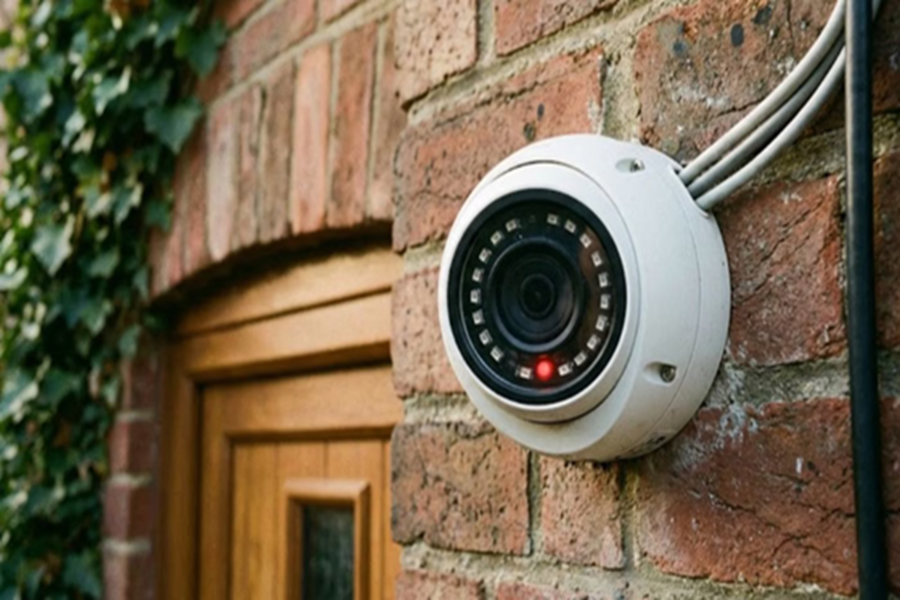
Starting next month, new regulations regarding Standardization Testing and Quality Certification (STQC) are set to come into force in India. Under these rules, it will now be mandatory to obtain government approval before selling any internet-enabled CCTV camera. According to reports, the government is refusing to grant certification to companies that utilize Chinese chipsets. Without this certification, selling these cameras after April 1st will be illegal.
**Companies Most Affected**
This decision is expected to deal a major blow to Chinese industry giants such as Hikvision, Dahua, and TP-Link. As recently as last year, Chinese companies held a market share of approximately one-third in India's CCTV sector. However, with the tightening of security standards, their business operations in the country could now shrink significantly.
**Why Was This Step Taken?**
This move by the government is part of a broader initiative to bolster device security. Citing industry sources, reports indicate that Chinese-made equipment poses a risk of hacking and data breaches. Consequently, certification is no longer being granted to products equipped with chipsets of Chinese origin. The denial of such approval effectively blocks the entry of these cameras into the Indian market.
**Boost for Indigenous Brands**
The exit of Chinese companies has opened up new avenues for Indian enterprises. Indian brands such as CP Plus, Qubo, Prama, Matrix, and Sparsh have revamped their supply chains. These companies are now utilizing Taiwanese chipsets and their own proprietary local software in place of Chinese components. According to statistics, by February, Indian companies had captured an 80 percent share of the market.
**What Are the New Rules?**
The Ministry of Electronics and Information Technology (MeitY) established a set of foundational regulations in April 2024. Companies were granted a two-year window to comply with these norms. According to the new regulations:
Companies must disclose the country of origin of the main chip (SoC) embedded in the camera.
The cameras will undergo rigorous testing to ensure that they cannot be hacked remotely by external entities. So far, more than 500 CCTV models have obtained certification under the new regulations.
What will be the impact?
This change will deal the biggest blow to Chinese companies that had significant business operations in India. Conversely, Indian brands will gain greater opportunities. In the premium segment, companies like Bosch and Honeywell continue to maintain a strong presence.
Disclaimer: This content has been sourced and edited from Amar Ujala. While we have made modifications for clarity and presentation, the original content belongs to its respective authors and website. We do not claim ownership of the content.
