
Lock your UPI and ATM cards whenever you wish; RBI is introducing a new rule to curb online fraud..
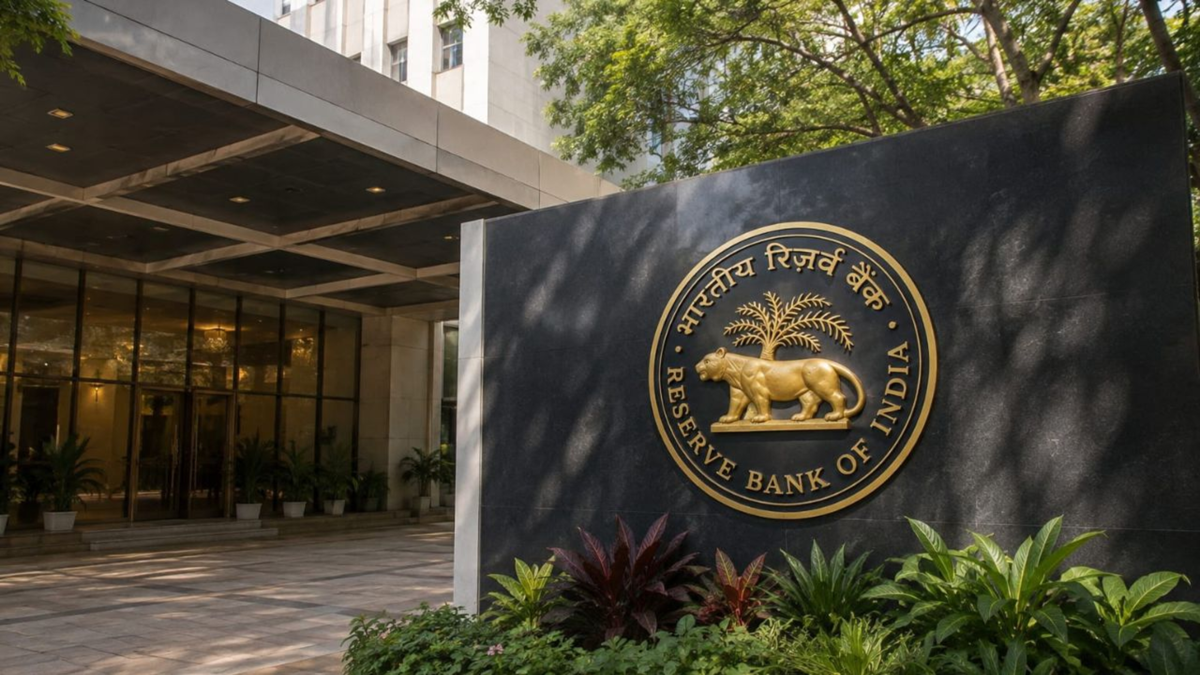
Amid rising cases of online fraud, the Reserve Bank of India (RBI) has taken a significant step to safeguard the funds of bank customers. On November 23, the central bank released a draft of new regulations titled ‘Preventive Safeguards for Electronic Banking Transactions’ (EBTs). The objective is to empower customers by giving them control over when and how their money is spent. This proposal will apply to commercial banks, small finance banks, payments banks, regional rural banks, and cooperative banks.
**Online payment channels can be disabled with a single click**
Under the proposal, all banks will be required to provide customers with the facility to disable digital payment channels—including UPI, internet banking, and mobile banking. Customers can choose to disable any or all of these channels at their discretion. Once a channel is disabled, no funds can be debited from the account through that specific channel. Should the need arise, these channels can be reactivated by visiting a bank branch or using the bank’s digital app. However, reactivation will require identity verification via an OTP or another security protocol mandated by the bank.
**From transaction limits to time-based controls—everything in your hands**
In addition to the option to disable channels, the RBI proposes allowing customers to set five types of limits. The first is a ‘transaction limit,’ which lets you cap the amount for a single payment—for instance, setting a maximum of ₹10,000 per transaction. The second is a ‘beneficiary-wise limit,’ which allows you to restrict the total amount that can be sent to a specific individual in a single day—for example, a daily limit of ₹20,000.
The third feature is a ‘daily channel limit,’ which enables you to set a total daily spending cap for a specific payment channel—such as ₹50,000. The fourth option allows you to set a combined daily limit across all digital payment channels. The fifth control relates to time; customers can specify a particular time frame during which their payment channels will remain disabled. It is important to note that the limit set by a customer must remain within the overall limit established by the bank. For instance, if a bank permits a UPI transaction limit of ₹1 lakh at a time, you may reduce this to ₹20,000, but you cannot increase it to ₹1.5 lakh.
What will change for debit and credit cards?
The RBI has also introduced measures to enhance the security of debit and credit card holders. Banks will be required to provide a facility for customers to enable or disable their cards and adjust their transaction limits. These controls will apply to both domestic and international transactions, covering point-of-sale (POS) terminals, ATMs, online payments, and contactless payments. Customers will be able to make adjustments only within the overall card limit set by the bank. However, these rules will not apply to prepaid gift cards (Gift PPI) or transit cards used for public transport (Transit PPI).
When will these RBI rules come into effect?
Currently, these rules have not been finalized; the RBI has released them as a draft. The central bank has invited suggestions from banks, the general public, and other stakeholders until December 14, 2026. The RBI will finalize these regulations only after considering all the feedback received. Once implemented, this system will be instrumental in protecting customers from digital fraud.
Disclaimer: This content has been sourced and edited from TV9. While we have made modifications for clarity and presentation, the original content belongs to its respective authors and website. We do not claim ownership of the content.
