
Is Your Electricity Bill Rising Despite Low Usage? These Hidden Reasons Will Shock You—Fix Them Immediately..
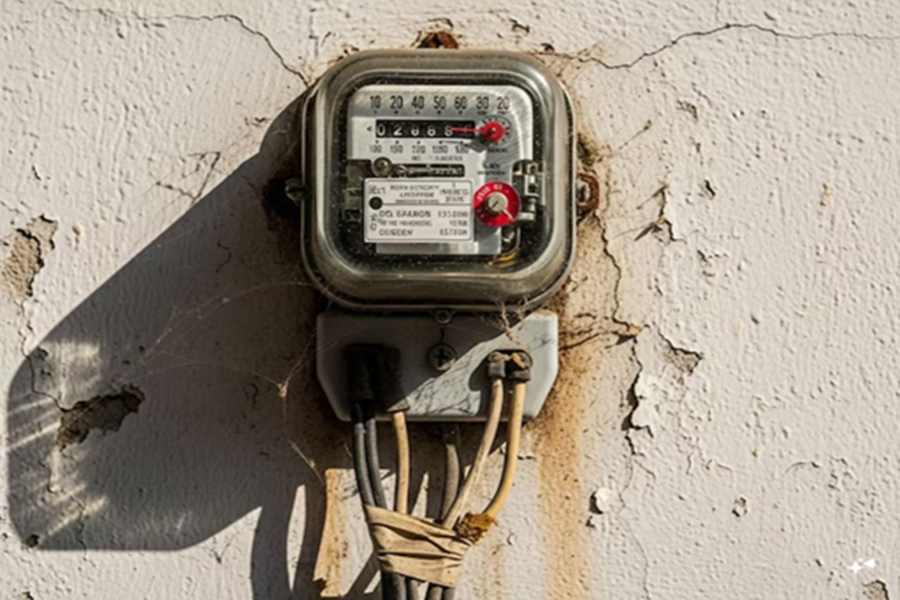
Many people are left astonished every month upon seeing their electricity bills. The meter appears to be spinning slowly, and usage seems to be consistent with previous levels, yet the bill suddenly spikes significantly. "The meter is functioning correctly, so why is the bill so high?" This is a very common question. Let’s explore the various reasons that could be behind this phenomenon.
First and foremost, examine your meter reading carefully. People often focus solely on the speed at which the meter is spinning, but the root cause of the problem often lies elsewhere. There can be several reasons for receiving a high bill, even when the meter does not appear to be running fast.
**Incorrect Meter Readings or Billing Errors**
Meter readers are not always able to visit every home each month. Consequently, estimated bills—based on previous readings—are often issued. If the reading from the previous month was low and a significantly higher number of units is suddenly recorded this time around, the bill can increase drastically. Even with the advent of smart meters, complaints regarding reading discrepancies or incorrect data entries continue to surface in many areas. Occasionally, outstanding dues from previous billing cycles are also silently incorporated into the current bill, making them difficult to spot at a glance.
**Electrical Leakage in the Home**
This is perhaps the most hidden, yet significant, cause. If a home's electrical wiring is old or damaged, if the insulation has deteriorated, or if the earthing system is faulty, electricity can leak into the ground. The meter registers this leakage as consumption, even though there is no visible indication that any appliance is currently in operation. Appliances such as geysers, air conditioners, and refrigerators are particularly prone to electrical leakage caused by even minor internal faults.
**Old and Aging Appliances**
Older appliances—such as refrigerators, air conditioners, fans, or washing machines—tend to consume significantly more electricity. While a modern refrigerator might consume 150–200 units per year, an older model could easily consume 300–400 units. You may assume that "the meter is running slowly," but in reality, the appliances themselves are drawing excessive power. Furthermore, devices left in "standby mode"—such as televisions, chargers, and microwaves—continue to silently consume electricity without you realizing it.
**Slab Rates and Fixed Charges**
Electricity utility companies typically operate on a "slab-rate" billing system. If your electricity consumption rises from 100 units to 150 units, the applicable tariff rate increases significantly. Additionally, fixed charges, service tax, and various other fees are added to the bill. Occasionally, if the billing cycle spans a longer duration than usual, the total unit consumption may appear higher.
**Other Minor Causes:**
* A neighbor may have illegally tapped into your power line (electricity theft).
* Voltage fluctuations can cause appliances to draw excessive power.
* Smart meters may occasionally experience calibration issues.
**What Should You Do?**
First, switch off all electrical appliances and observe the meter. If the meter continues to run, it indicates a power leakage.
Test the meter by running a 1-kilowatt heater for one hour—the reading should increase by exactly one unit. If the increase is greater than one unit, have your meter inspected.
Carefully review your electricity bill and compare it with the previous month's bill. If you suspect an error, file a written complaint with the electricity department and request a meter test.
To conserve electricity, replace old appliances, avoid leaving devices in "standby" mode, and ensure your electrical wiring is in good condition.
With a little vigilance, you can significantly reduce your electricity bill. Receiving a high bill does not always imply a faulty meter, even if the meter does not appear to be running fast. In most cases, minor oversights or hidden power consumption are the culprits.
Disclaimer: This content has been sourced and edited from News18 Hindi. While we have made modifications for clarity and presentation, the original content belongs to its respective authors and website. We do not claim ownership of the content.
