
Is your charger a fake? Here’s how to distinguish between genuine and counterfeit ones in 30 seconds
Is your charger a fake? Here’s how to distinguish between genuine and counterfeit ones in 30 seconds
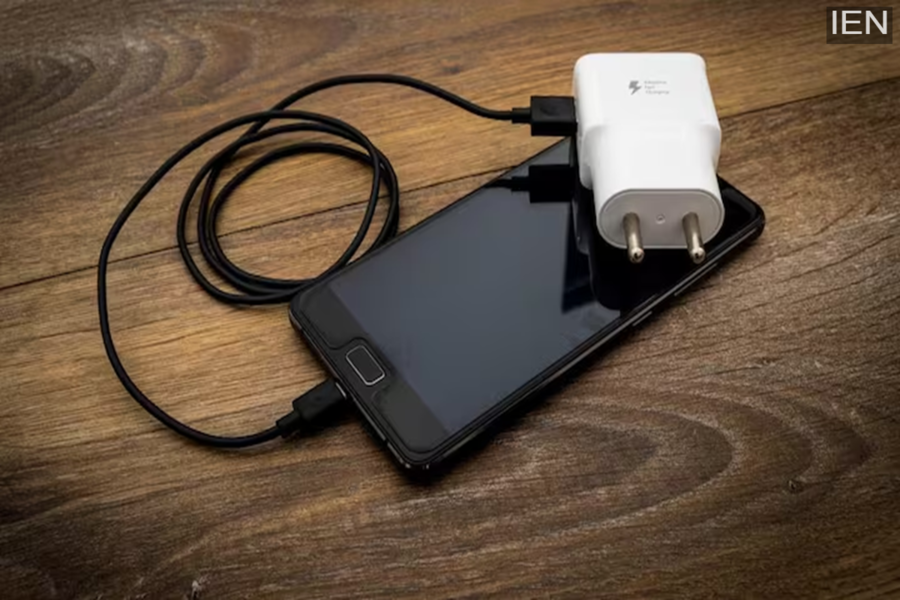
Fake Charger: The information printed on the charger can also help reveal its authenticity.
With the rising demand for smartphone accessories, the market for counterfeit chargers is expanding rapidly. Many fake chargers look exactly like genuine products, making it difficult for the average consumer to tell them apart. However, using such a charger can pose a risk to both your phone and your safety. Beyond shortening battery life, counterfeit chargers can cause serious issues like overheating, short circuits, fires, and even explosions. Therefore, it is crucial to know whether your charger is genuine or not.
It is considered normal for a phone or charger to get slightly warm during charging; however, if the charger becomes excessively hot or the phone heats up abnormally, it could be a warning sign. Counterfeit chargers often fail to meet safety standards, increasing the risk of overheating. You should always check for the presence of BIS, ISI, or other necessary safety certification marks on the charger.
The information printed on the charger also helps determine its authenticity. Genuine chargers clearly display the company name, model number, input/output ratings, and other essential certifications. If this information is incomplete, blurry, or missing entirely, there is a high probability that the charger is counterfeit.
If you remain unsure, you can verify the charger's model number on the manufacturer's official website. Many brands provide details about their genuine chargers and accessories online, making it easier to confirm whether the charger you own is authentic.
Price can also be a key indicator. If a charger from a popular brand is available at a price significantly lower than the market average, you should be cautious. Counterfeit chargers—which often look almost identical to the real thing—are frequently sold at very low prices to attract customers. It is also important to pay attention to charging speed. If your phone supports fast charging but the charger is charging it very slowly, this could indicate that the charger is not genuine. Counterfeit chargers often fail to deliver the claimed power output, resulting in longer charging times.
The risks associated with counterfeit chargers go beyond just slow charging; they can cause permanent damage to your smartphone's battery and impair the device's performance. Additionally, issues such as overheating, short circuits, and hardware damage can occur. There have even been reported incidents of fires and battery explosions caused by fake chargers. Therefore, always purchase chargers from trusted sellers and avoid using any suspicious products.
