
Is there really no interest charged on No-Cost EMI? Understand the whole mechanism here..
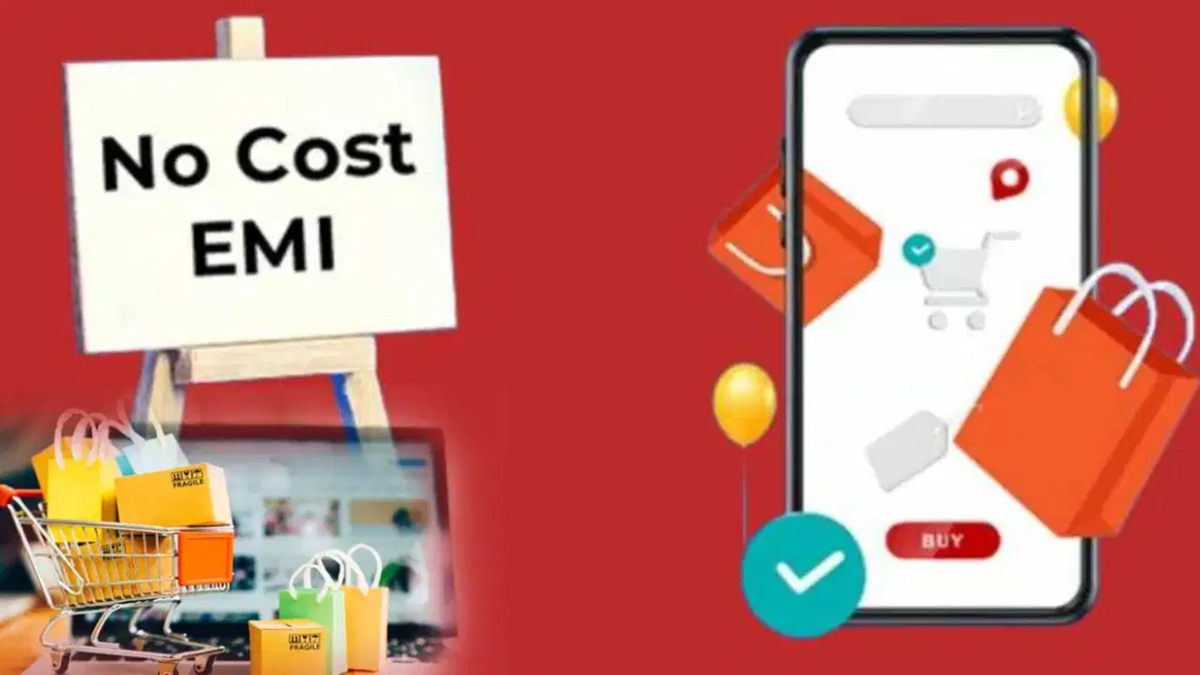
There was a time when people hesitated before buying goods on credit or via loans. Concerns regarding interest, paperwork, and the higher total cost often held them back; however, shopping habits have changed significantly. Today, purchasing items like TVs, refrigerators, washing machines, ACs, and smartphones on EMI (Equated Monthly Installment) has become commonplace. Many companies offer "No-Cost EMI" (interest-free EMI) schemes on these products. While such offers appear attractive at first glance, customers may sometimes incur additional charges beyond the product's price.
Therefore, one should not decide to buy electronics on EMI based solely on the "No-Cost EMI" label. It is crucial to understand the total cost of the loan and all associated charges.
**Hidden Costs in No-Cost EMI**
Typically, customers are not charged separate interest under No-Cost EMI schemes. In many instances, the company or retailer subsidizes the interest amount for the bank or financing firm. However, the customer might still have to pay processing fees, taxes, or other charges. In some cases, opting for the EMI offer means forfeiting the standard discount usually available on the product. Thus, before purchasing, it is important to compare the cash price (or non-EMI price) with the total cost incurred through the EMI plan.
**Check the Lender**
When buying goods on EMI, it is also important to verify who is providing the loan. Customers should check whether the bank or NBFC (Non-Banking Financial Company) is registered with the RBI. Additionally, one should grant access only to the necessary digital information when availing of the loan.
**Opt for EMI Only When Necessary**
While EMI facilities make it easier to purchase expensive items, they also add a recurring monthly financial obligation. Therefore, if the item is not immediately required, it might be better to postpone the purchase. Timely EMI payments can help build a positive credit history, whereas delayed payments can lead to extra charges and negatively impact your credit score.
Disclaimer: This content has been sourced and edited from TV9. While we have made modifications for clarity and presentation, the original content belongs to its respective authors and website. We do not claim ownership of the content.
