
Is the dominance of Google Pay and Paytm under threat? Apple is set to launch this new service in India..
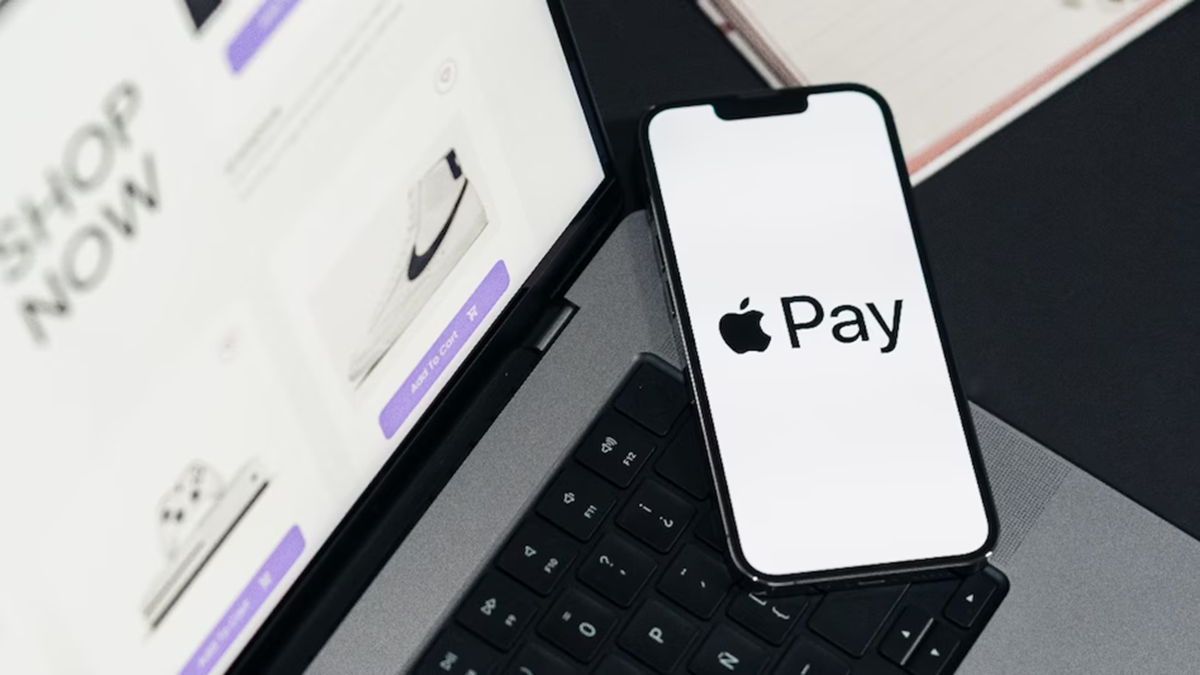
US tech giant Apple has launched its highly anticipated payment service, Apple Pay, in India. It will compete directly with established giants like Google Pay, PhonePe, and Paytm.
On Wednesday, Apple announced that the service has initially been introduced in partnership with Axis Bank. This means Axis Bank customers can now directly save their credit or debit cards to the Apple Wallet on their iPhones or Apple Watches.
**Payments via Face ID and Touch ID**
The service is highly secure, as it utilizes 'Face ID' or 'Touch ID' to authorize payments. This enables easy 'tap-to-pay' transactions at stores, as well as seamless payments on websites and mobile apps.
Apple has ambitious plans for the future. The company intends to add cards from other banks to the service down the line. Most importantly, Apple Pay will soon integrate India's popular UPI system, which dominates the country's digital payment market.
**Which Indian users is Apple targeting?**
In the Indian market—home to over a billion consumers—Apple is focusing on the rapidly growing middle class. Although affordable Android phones dominate the Indian landscape, the introduction of this payment service is expected to further boost demand for Apple's premium devices. The company is rapidly expanding its footprint in the country.
**Six Apple retail stores opened across the country**
Apple has opened six official retail stores in India, including locations in Delhi and Mumbai, and is also increasing the number of partner stores. India has evolved from being merely a market for Apple into a major manufacturing hub; the company has already shifted 25% of its global iPhone production to the country. Since US President Donald Trump initiated a trade war with China, Apple has been using India as a major export hub for the US market.
Disclaimer: This content has been sourced and edited from TV9. While we have made modifications for clarity and presentation, the original content belongs to its respective authors and website. We do not claim ownership of the content.
