
Is Social Media About to Be Banned for Children? Spain Proposes New Rules to Protect Online Safety
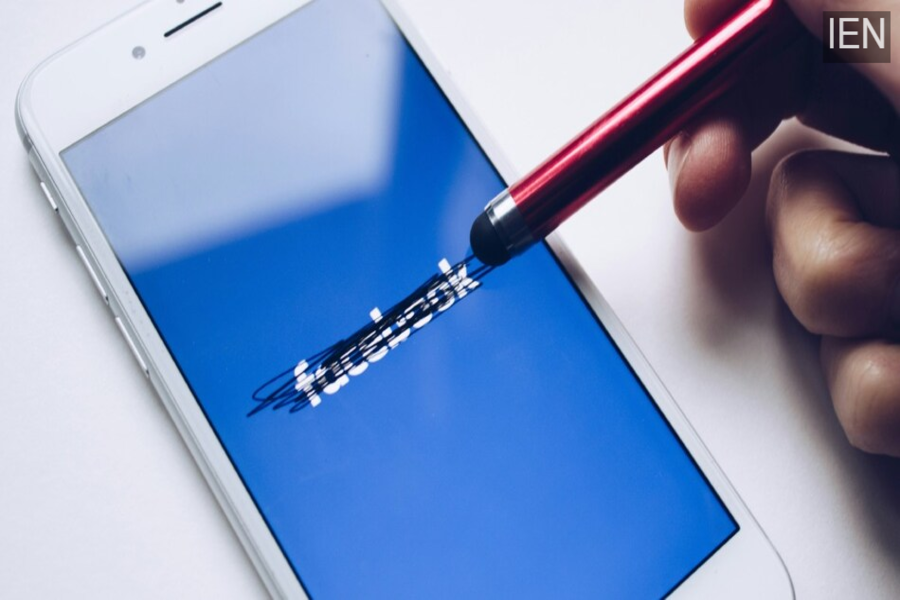
Concerns over children’s online safety are once again at the center of global debate, as Spain considers stricter controls on how minors use social media. The Spanish government is currently working on a proposal that could restrict access to social media platforms for children under the age of 16. While reports on social media suggest that a ban has already been imposed, the reality is more nuanced—the proposal has not yet become law and is still undergoing political and legal discussion.
The announcement has sparked widespread conversation across Europe, with policymakers, parents, and technology companies closely watching how Spain moves forward.
Spain’s Proposal: What Is Being Discussed?
The Spanish government is exploring measures aimed at reducing online risks for children, particularly those linked to social media usage. These risks include exposure to harmful or illegal content, addictive digital behaviors, and potential negative effects on mental health.
Spain’s Prime Minister Pedro Sánchez recently highlighted the growing dangers children face online. According to the government, social media platforms can easily expose minors to inappropriate material, cyberbullying, and content that promotes unhealthy habits. To address these concerns, the government has proposed limiting social media access for users under 16 years of age.
However, officials have clarified that this is currently a proposal, not an enforceable regulation. The idea must still pass through legislative review, political debate, and legal scrutiny before it can be implemented.
Role of Social Media Companies Under the Proposal
A key aspect of Spain’s plan involves shifting more responsibility onto social media companies themselves. Under the proposal, platforms could be required to implement strong age-verification systems to ensure that underage users cannot bypass restrictions by falsely declaring their age.
This would mean that companies would need to actively verify a user’s age rather than relying on self-reported information. If platforms fail to comply, they could face penalties, fines, or other legal consequences.
That said, this part of the proposal has also raised important questions. Critics argue that robust age verification could create privacy risks and technical challenges, especially if it requires users to share sensitive personal data. Balancing child protection with data privacy remains one of the biggest hurdles in turning the proposal into law.
Not a Law Yet: Why the Confusion?
Following recent statements by Spanish officials, many online claims suggested that Spain had already banned social media for children under 16. In reality, the government has only announced its intention to move in this direction. No official ban is currently in force.
Like many policy initiatives in the European Union, this proposal must go through a detailed legislative process, including parliamentary debate and potential revisions. Until that process is complete, social media usage rules in Spain remain unchanged.
A Growing Global Trend in Child Online Protection
Spain’s proposal is part of a broader international movement focused on strengthening children’s digital safety. While Spain could become the first European country to formally restrict social media access for under-16 users, it would not be the first country in the world to do so.
For example, Australia has already passed legislation aimed at limiting social media use among children below a certain age. Several other countries are also reviewing similar measures as concerns around screen time, online addiction, and mental health continue to grow.
Across Europe, governments are increasingly questioning whether existing digital safety laws are sufficient to protect minors in a rapidly evolving online environment.
What This Could Mean for Parents and Children
If Spain’s proposal eventually becomes law, it could significantly change how children interact with social media platforms. Parents may see stricter controls and clearer rules, while platforms would be forced to redesign how accounts are created and verified.
Supporters argue that such measures are necessary to create safer digital spaces for young users. Opponents, however, warn that outright restrictions could be difficult to enforce and may push children toward unregulated or lesser-known platforms.
Final Takeaway
Spain’s proposal to restrict social media access for children under 16 highlights a growing global concern over online safety and child well-being. While no ban is currently in place, the discussion itself signals a shift toward tougher regulation of social media platforms.
As debates continue and other countries watch closely, Spain’s next steps could shape the future of digital safety laws across Europe. For now, parents and users should be aware that this is a proposal under discussion—not an active law—but one that reflects an increasingly serious approach to protecting children in the digital age.
