
Is it a good idea to get a foldable phone instead of a tablet? It could be the best option for these people..
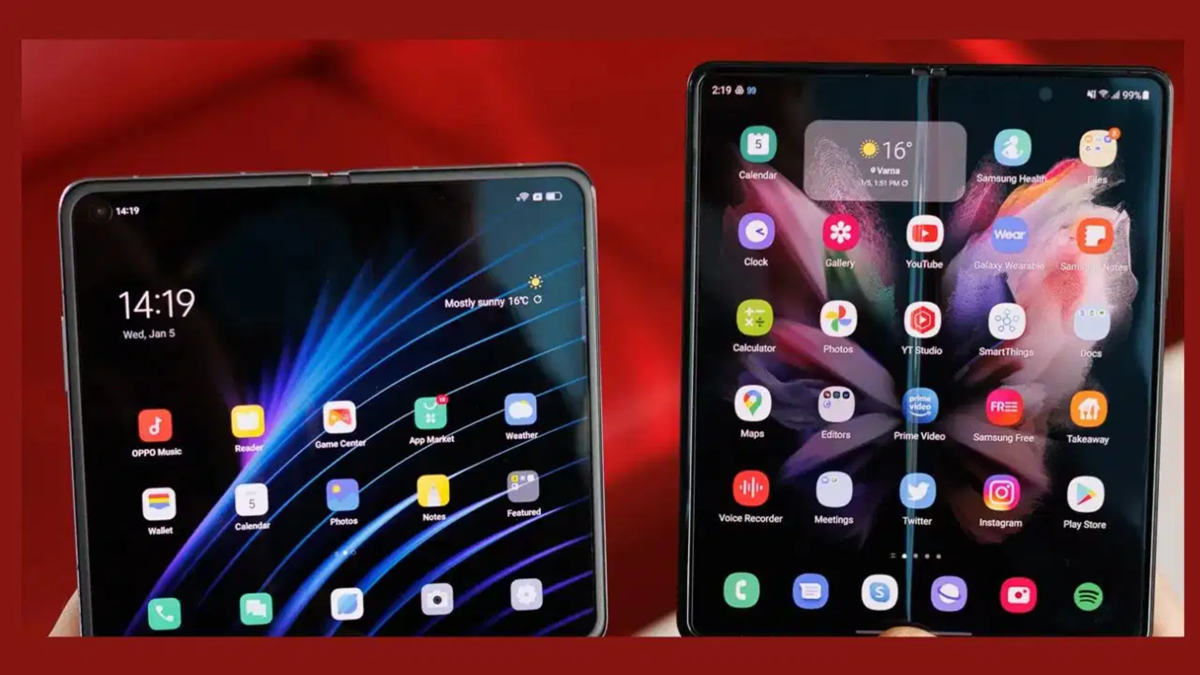
Foldable phones have improved significantly over the past few years. Features like large screens, multitasking capabilities, and a foldable design set them apart from standard smartphones. This has raised the question: can a foldable phone also serve the purpose of a small tablet? This is particularly relevant given that many modern book-style foldable phones offer a screen size of around 8 inches when unfolded—bringing them very close to the dimensions of a small tablet.
**Closing the Screen Size Gap**
Book-style foldable phones come closest in this regard. For instance, the iPad Mini features an 8.3-inch screen, whereas the inner screens of foldables like the Pixel 11 Pro Fold and Galaxy Z Fold 8 Ultra measure around 8 inches. Meanwhile, the iPhone Duo offers a 7.6-inch screen. Consequently, the gap in screen size between foldable phones and small tablets has narrowed considerably compared to the past.
A key advantage of foldable phones is that they can be closed and used like a standard smartphone, yet instantly opened to provide a large screen when needed. This means that for many users, the need to carry both a phone and a small tablet separately may be eliminated.
**Potential Savings on Mobile Data**
Another benefit of foldable phones is their mobile connectivity. Since the device is already connected to a mobile network, there is no need for a separate internet connection. A single device can handle calls, messaging, internet browsing, video streaming, gaming, and large-screen web navigation.
This advantage is particularly noticeable while traveling. Users do not have to worry about setting up hotspots or managing separate connections to access the internet on a tablet, as the phone itself handles everything. However, tablets remain more convenient for extended work sessions.
This does not mean, however, that a foldable phone can replace a tablet in every scenario. If a tablet is used for prolonged work, video editing, graphic design, viewing large documents, or multitasking across several apps, a large-screen tablet might be more convenient.
While it is possible to run two or three apps simultaneously on a foldable phone, working on a smaller screen for extended periods may not be comfortable for everyone. Additionally, using the phone in its large-screen mode continuously can lead to higher battery consumption.
Foldable phones still have some drawbacks.
Foldable designs come with certain compromises. They incorporate additional technologies—such as hinges and folding screens—which can drive up the price. Many foldable phones are also slightly thicker and heavier than standard smartphones. Furthermore, the crease where the screen folds may be visible in certain lighting conditions.
Software does not always fully utilize the large screen; some apps are not fully optimized for foldable displays. Consequently, when opened, the app's interface might simply appear stretched across the larger screen.
Who is a foldable phone right for?
If you primarily use a tablet for lighter tasks—such as watching videos, using social media, browsing the internet, gaming, or reading while traveling—then a foldable phone could be a great option for you.
The advantage is that you do not need to carry two separate devices—a phone and a tablet. A single device can function as either a standard phone or a large-screen device, depending on your needs. However, if your tablet is essential to your work—and you use it for extended periods for editing, document handling, design, or other productivity tasks—then keeping a separate tablet might be more practical. Overall, a foldable phone can largely serve the purpose of a small tablet, but it is not a complete replacement for a tablet for every user. Before buying one, it is important to consider the type of tasks for which you use a tablet.
Disclaimer: This content has been sourced and edited from TV9. While we have made modifications for clarity and presentation, the original content belongs to its respective authors and website. We do not claim ownership of the content.
