
iPhone: Apple's Biggest Rival Manufactures the iPhone's Display—Find Out Why the Company Relies on It..
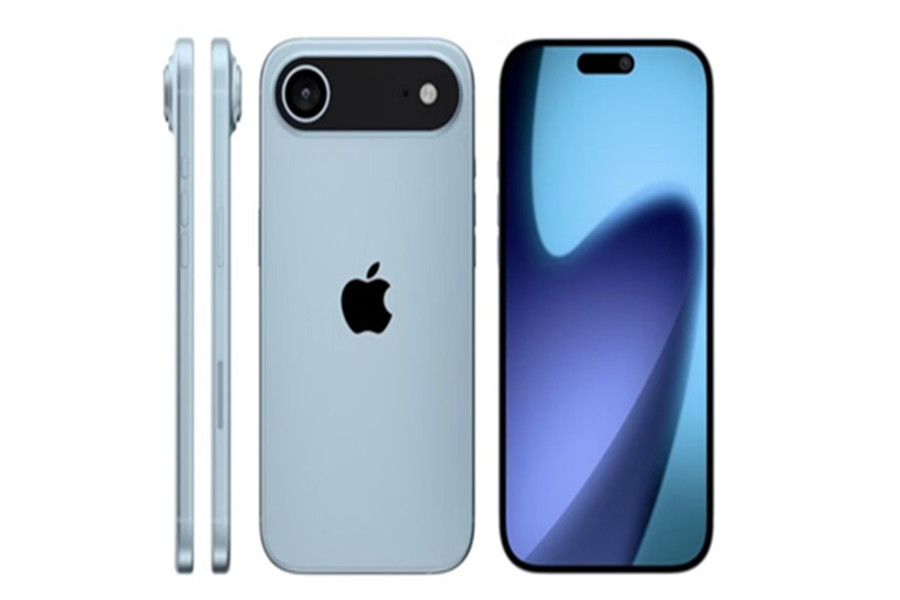
Whenever the topic of premium smartphone displays arises, the iPhone is the first name that comes to mind. Its screen is widely regarded as one of the finest displays in the smartphone industry. Brilliant colors, exceptional brightness, and a fluid visual experience are its defining characteristics. However, very few people are aware that the technology behind this iPhone display is not the work of Apple itself, but rather that of its biggest rival.
While it is true that Apple manufactures many of its components—such as processors and modems—in-house, it relies on external companies for its screens. Let's find out which company is responsible for manufacturing the iPhone's displays.
**The Company That Makes the iPhone's Display**
The company responsible for manufacturing displays for Apple's iPhones is none other than its fiercest competitor: Samsung. Although this might sound a bit strange, Samsung produces the majority of the displays used in iPhones. You may have seen the two companies mocking and trolling each other through advertisements, but when it comes to this specific area, they conduct significant business together. However, in addition to Samsung, Apple also sources its displays from other companies such as LG and BOE.
**Samsung: A Partner Since 2017**
Apple first utilized OLED displays manufactured by Samsung in the iPhone X, which launched in 2017. Apple stated that these panels were specifically customized for the iPhone, enabling superior contrast, vibrant colors, and wide color gamut support.
Subsequently, with the launch of the iPhone 12 series in 2020, Apple began incorporating OLED displays across all of its models. By that time, LG and BOE had also begun manufacturing OLED panels that met Apple's rigorous standards. This move helped Apple strengthen its supply chain and reduce component costs. In addition to iPhones, Samsung also manufactures displays for iPads.
**LTPO Technology Transforms the Experience**
With the iPhone 13 series, Apple introduced LTPO OLED displays. This technology supports a 120Hz refresh rate, resulting in a significantly smoother on-screen visual experience. Subsequently, the company introduced the Always-On Display feature in the iPhone 14 Pro models. Now, reports suggest that the iPhone 18 Pro models—set to launch in September—may utilize new LTPO+ display panels manufactured by Samsung.
Why is the LTPO+ Display Special?
This new LTPO+ technology has the potential to completely transform the future smartphone experience. The most significant feature of this technology is its power-saving capability; it consumes very little battery power. Furthermore, an infrared camera can be easily integrated directly beneath this panel.
This technology offers a variable refresh rate ranging from 1 Hz to 120 Hz. Despite this, the phone's battery consumption remains remarkably low. Simply put, the new iPhone will succeed in delivering both an unparalleled visual experience and extended battery life to users, all while consuming less power.
Disclaimer: This content has been sourced and edited from Amar Ujala. While we have made modifications for clarity and presentation, the original content belongs to its respective authors and website. We do not claim ownership of the content.
