
Instagram’s New AI Face Swap Tool Explained: How the Upcoming Feature Will Create Photos and Videos Using Your Digital Look
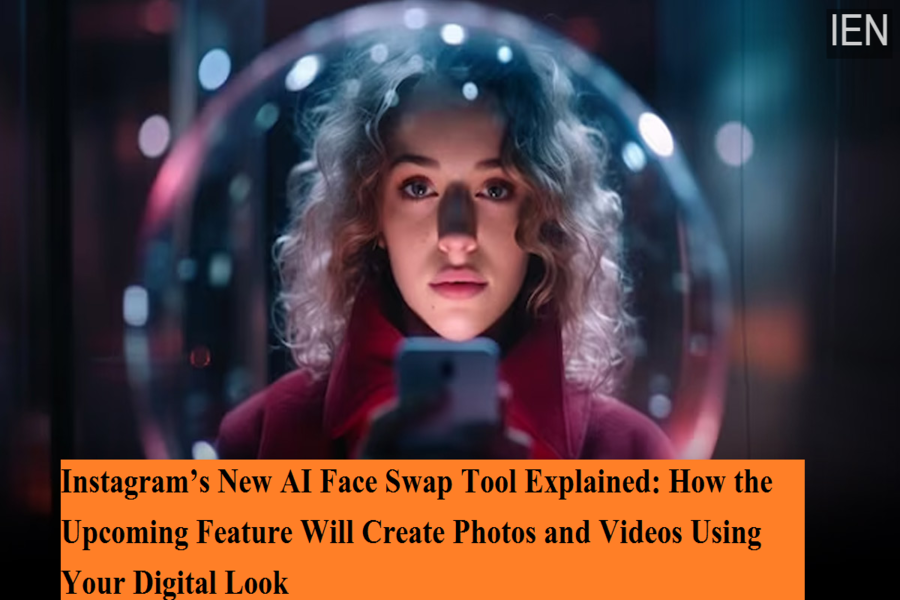
Social media platforms are evolving rapidly, and artificial intelligence is now at the center of this transformation. In its next big move, Meta is reportedly working on an advanced AI-powered face swap feature for Instagram. According to recent reports, this upcoming tool could allow users to generate realistic photos and videos using AI by recreating their digital likeness.
The development is being seen as a strategic attempt to compete with cutting-edge AI video generation tools like OpenAI’s popular product Sora. With this feature, Instagram aims to take content creation to an entirely new level while maintaining user safety and consent.
So how exactly will this AI face swap feature work, and what makes it different from existing filters? Let’s break it down.
What Is Instagram’s “Create My Likeness” Feature?
Internally referred to as “Create My Likeness,” this upcoming Instagram tool is designed to build a digital version of a user’s face using artificial intelligence. Once created, this digital likeness can be used to generate AI-powered images and videos based on text prompts.
In simple terms, users may be able to type what they want—such as a theme, background, or action—and Instagram’s AI will produce content using their virtual face. This could dramatically reduce the effort required to create engaging visual content, especially for creators who post frequently.
At the moment, it is not fully clear whether Instagram will extract facial data from a user’s existing photos and videos or ask them to upload a fresh selfie specifically for this purpose. However, once the system has enough data, the process is expected to be largely automated.
How the AI Face Swap Technology Is Expected to Work
After creating a digital likeness, users will likely be able to generate AI photos and videos simply by entering text prompts. The AI will analyze facial features such as expressions, angles, and lighting to produce realistic results.
Unlike traditional face filters, which only overlay effects on live images, this tool aims to create entirely new visual content. This positions Instagram closer to AI video-generation platforms rather than basic editing apps.
Such a feature could be especially useful for influencers, brands, and everyday users who want high-quality content without complex editing skills.
Permission-Based System to Prevent Misuse
One of the most talked-about aspects of this feature is its invitation and consent model. Instagram is reportedly introducing a permission-based system to address concerns around privacy, deepfakes, and identity misuse.
Users will not only be able to use their own digital likeness but may also generate AI content using someone else’s face—only after receiving explicit approval. To do this, a request will need to be sent to the other person. The AI face swap will work only if the request is accepted.
This approach ensures transparency and helps prevent unauthorized use of someone’s digital identity.
Focus on Safety, Privacy, and Transparency
AI-generated content often raises concerns about deepfakes and misinformation. While platforms like OpenAI’s Sora strictly limit the creation of harmful or misleading content, Instagram appears to be taking a different but equally serious approach.
By combining permissions, notifications, and user control, Instagram aims to make AI creativity safer and more accountable. Users will be informed when their likeness is used, ensuring that consent remains central to the experience.
This system could become a benchmark for how social media platforms handle AI-generated identities responsibly.
Why This Feature Matters
If launched successfully, Instagram’s AI face swap tool could redefine how people create and consume content on social media. It may reduce dependency on manual video shoots, allow creators to experiment with new formats, and open up creative possibilities that were previously out of reach for casual users.
At the same time, its consent-first design shows that platforms are beginning to take ethical AI usage more seriously.
Final Thoughts
Instagram’s upcoming AI-powered face swap feature signals a major shift in social media content creation. By blending creativity, automation, and privacy safeguards, Meta appears to be preparing Instagram for the next phase of AI-driven engagement.
While official rollout details are still awaited, one thing is clear—AI is no longer just an add-on for social media. It’s becoming the core engine behind how digital content is imagined, created, and shared.
