
India’s New e-Passport: Full Guide on Benefits, Eligibility and the Complete Application Process
India’s e-Passport: What It Is, Who Can Apply, and How the Entire Process Works
India’s move toward digital transformation has reached another major milestone with the introduction of the e-Passport. Designed to modernize the country’s travel document system, the e-Passport aims to strengthen security, speed up immigration checks, and align Indian passports with globally accepted travel standards. As the system expands, it is set to redefine how Indian citizens travel abroad in the coming years.
What Is an e-Passport?
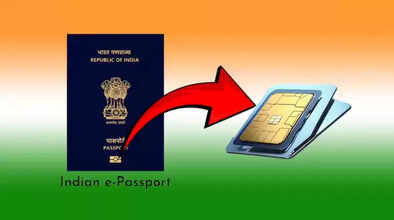
An e-Passport looks similar to a traditional Indian passport from the outside, but it includes a key technological upgrade—an embedded electronic chip placed inside the back cover. This chip securely stores the passport holder’s personal and biometric details, such as their photograph, fingerprints, and digital signature.
By storing these details electronically, the e-Passport helps prevent identity theft, duplication, and forgery. The technology complies with international travel standards, making it easier for Indian travellers to pass through automated immigration systems in many countries.
Key Benefits of the e-Passport
The e-Passport offers several advantages that enhance both security and convenience for travellers:
1. Stronger Security:
The microchip embedded in the passport makes it extremely difficult to tamper with or forge. This significantly reduces the chances of identity fraud and unauthorized duplication.
2. Faster Immigration Clearance:
Many airports around the world use e-gates or automated immigration systems. The biometric information stored in the chip helps speed up verification, reducing waiting time for travellers.
3. Improved Global Acceptance:
Since the e-Passport follows international guidelines, it is recognized and easily processed by immigration authorities in most countries, making international travel smoother and more efficient.
4. Digital Modernization:
The roll-out of e-Passports marks a major shift in India’s travel infrastructure. It signals the beginning of a more technologically advanced experience for Indian passport holders, with smoother processes and enhanced protection.
As the government continues to expand this initiative, applicants are advised to check whether their nearest Passport Seva Kendra (PSK) or Post Office Passport Seva Kendra (POPSK) currently issues e-Passports.
Who Can Apply for an e-Passport?
Any Indian citizen who is eligible for a regular passport can apply for an e-Passport. At present, the facility is available at select passport offices and service centres. The government is gradually increasing its availability to ensure both new applicants and those renewing their passports can benefit from the upgraded version.
Before applying, citizens should confirm whether their local passport office has started issuing e-Passports. As the expansion progresses, the service is expected to be available nationwide.
Step-by-Step Application Process
Applying for an e-Passport follows the same procedure as applying for a traditional passport. The steps include:
1. Registration on the Online Portal:
Applicants must visit the official Passport Seva portal and create an account or log in with their existing credentials.
2. Filling Out the Application Form:
The online form must be completed carefully with accurate personal details. Once filled, applicants need to submit the form.
3. Payment of Applicable Fees:
The required passport fee must be paid online through the available payment options. The charges for e-Passports are similar to those of traditional passports.
4. Booking an Appointment:
After successful payment, applicants can schedule an appointment at their nearest PSK or POPSK.
5. Biometric Data Collection:
During the appointment, the applicant’s fingerprints and photograph are captured. These details become part of the electronic chip embedded in the passport.
6. Issuance and Delivery:
Once the verification process is complete, the e-Passport is printed with the embedded chip and delivered to the applicant’s registered address.
A Step Toward Smarter and Safer Travel
The introduction of the e-Passport is a major step in making travel more secure, efficient, and technology-driven for Indian citizens. With enhanced protection, faster processing, and global compatibility, this new system is paving the way for a smarter and smoother international travel experience.
As the rollout continues, more citizens will be able to access this upgraded passport, ensuring that India aligns with modern, global travel standards.
