
If your phone has got wet in the rain, do not plug in the charger immediately; doing so could cause serious damage..
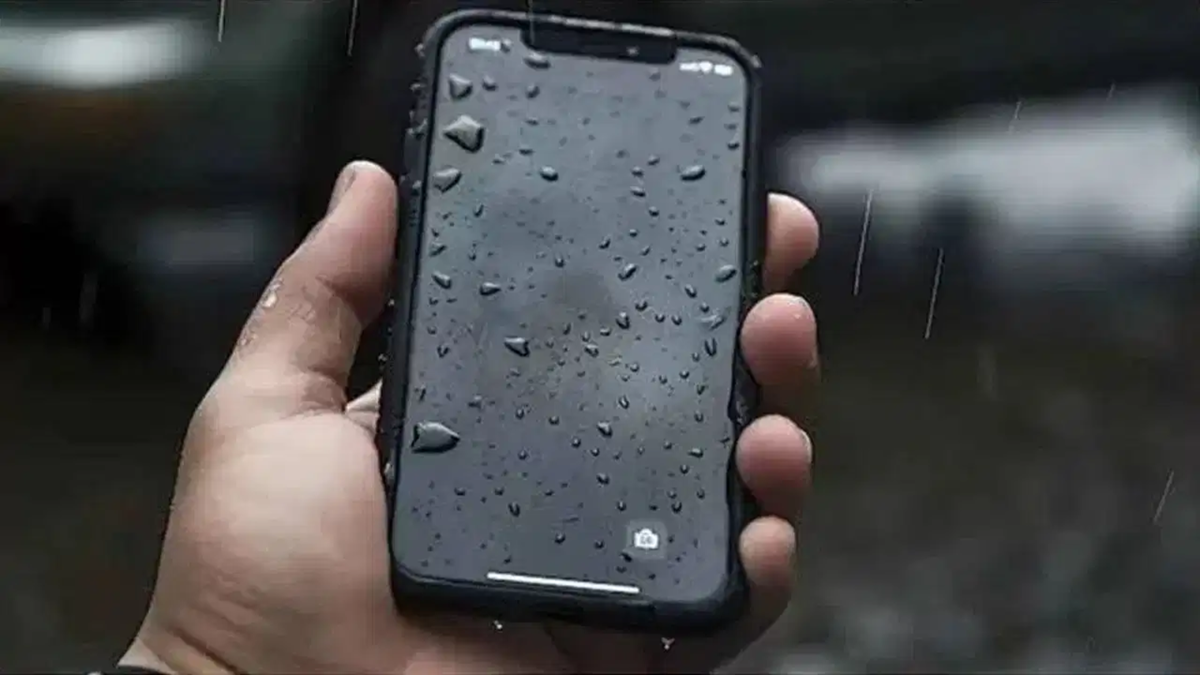
It is not uncommon for a mobile phone to get wet during the rainy season. Sometimes the phone is left out of your pocket in the rain, or it accidentally falls into water. In such situations, people often panic and immediately plug the phone in to charge. However, this haste can prove disastrous for the phone.
If water or moisture has seeped into the mobile, connecting it to a charger increases the risk of a short circuit. This can damage critical internal components, such as the motherboard and the battery. Therefore, the priority after the phone gets wet is to dry it out, not to charge it.
Why shouldn't you plug in a wet phone?
Mobile phones contain numerous tiny electronic components and circuits. When a phone gets wet, moisture can penetrate these internal parts. If the charger is connected in this state, the electric current can pass through the moisture-laden areas, potentially causing a short circuit.
This poses a risk of damaging the phone's motherboard. In some cases, the battery can also be harmed. Therefore, never make the mistake of charging the phone immediately after it gets wet. Allow the phone ample time to dry thoroughly and keep it away from the charger until then.
What should you do first if your phone falls into water?
If your phone falls into water, retrieve it immediately and switch it off right away. Keeping the phone on while moisture is present inside can damage the electronic circuits. Next, remove the phone's case. If possible, take out the SIM card and memory card as well. Avoid shaking or jerking the phone vigorously, as this could cause the water inside to spread to other components.
Is it a good idea to put the phone in rice?
Placing a wet mobile phone in a container of rice is a long-standing method that many people still use today. However, it is not considered the most reliable solution. While rice can absorb moisture, small grains can get stuck in the charging port, speaker, or other small openings of the phone.
Instead, it is better to place the phone in a dry, well-ventilated area. If you have silica gel packets, you can place them near the phone. Do not try to force-heat the phone or rush the drying process.
Using a hair dryer can do more harm than good.
Using the hot air from a hair dryer to quickly dry a wet phone is not the right approach. Excessive heat can damage the phone's internal components, screen, and battery. Allow the phone to air-dry at normal room temperature. Avoid placing it in direct sunlight, as high heat can be detrimental to the battery.
How long should you wait before turning the phone on?
Give the phone ample time to dry. Generally, it is best to avoid charging or turning it on for at least 24 to 48 hours. During this period, do not repeatedly try to switch the phone on to check it.
If the phone fails to turn on, charge, or produce clear sound from the speaker even after drying thoroughly, take it to an authorized service center instead of trying to open it yourself. This helps prevent further damage. Remember, when a mobile phone gets wet, the most important thing is not haste, but taking the right precautions. It is far wiser to switch off the phone and let it dry safely rather than attempting to charge or heat it.
Disclaimer: This content has been sourced and edited from TV9. While we have made modifications for clarity and presentation, the original content belongs to its respective authors and website. We do not claim ownership of the content.
