
If you want to lower your electricity bill, change this habit regarding geyser usage today..
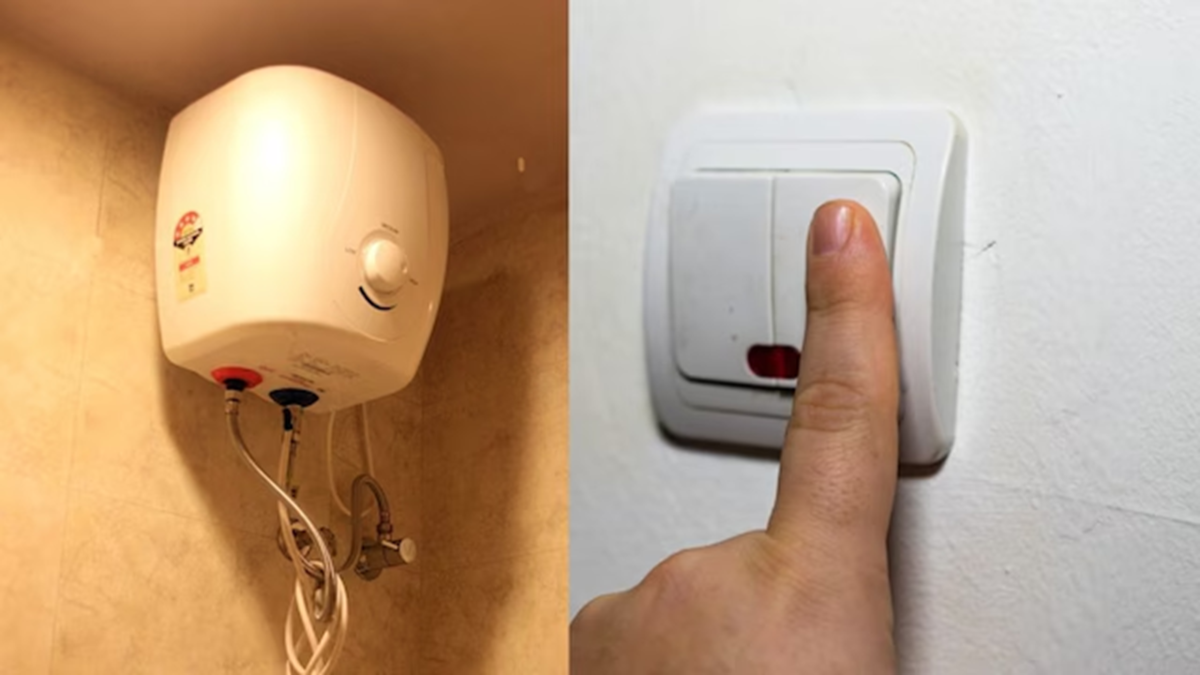
In winter, every household needs hot water. When using a geyser, a common question arises: should you switch it on shortly before bathing, or keep it on all day and night? Both approaches have their pros and cons. Making the right choice can help save on electricity bills and reduce potential risks. Let’s look at what is best…
Most homes use storage-type geysers, which heat and store water. The most sensible approach is to switch on the geyser 15 to 20 minutes before you intend to bathe.
During this time, the water heats up sufficiently for your needs. Turning off the geyser immediately after your bath helps save electricity. Many people also use timers set for morning and evening, which makes the process even more convenient.
Keeping a geyser on all the time is generally not advisable. It leads to an unnecessary increase in your electricity bill, as the unit continues to consume power to keep the water hot—even when you aren't using it. Keeping it on for long periods also puts extra strain on the appliance. It increases the likelihood of mineral deposits (scale) forming inside, which can cause the heating element to fail prematurely. Furthermore, the thermostat is forced to cycle on and off more frequently, which reduces its lifespan.
What are the risks?
Keeping a geyser on constantly carries certain risks. If the pressure relief valve fails to function correctly, pressure can build up inside the tank.
There is also a risk of leakage or short circuits, especially in older units. In some cases, keeping hot water in the tank for extended periods can even create an environment where bacteria might thrive.
Switching the geyser on only when needed significantly lowers these risks, as the appliance operates for a much shorter duration.
Essential safety tips:
Ensure that your geyser is properly earthed. Also, make it a point to regularly check the pressure relief valve. Keep the thermostat set between 50 and 60 degrees; setting it to a higher temperature increases both electricity consumption and safety risks.
Have the unit serviced once or twice a year to clear out any internal buildup or debris.
Ensure that water does not accumulate near the geyser, and periodically check the condition of the wiring.
Always turn off the geyser if the house is going to be left vacant for an extended period.
In the case of an instant geyser, the unit only activates when needed, so there is no question of keeping it switched on all the time.
For storage-type geysers, it is a better and safer practice to switch the unit on a short while before you intend to bathe. This saves electricity, extends the lifespan of the appliance, and reduces potential risks.
Disclaimer: This content has been sourced and edited from News18 Hindi. While we have made modifications for clarity and presentation, the original content belongs to its respective authors and website. We do not claim ownership of the content.
