
If you don't recharge, how many days will it take for your SIM to be deactivated? Know the rules...
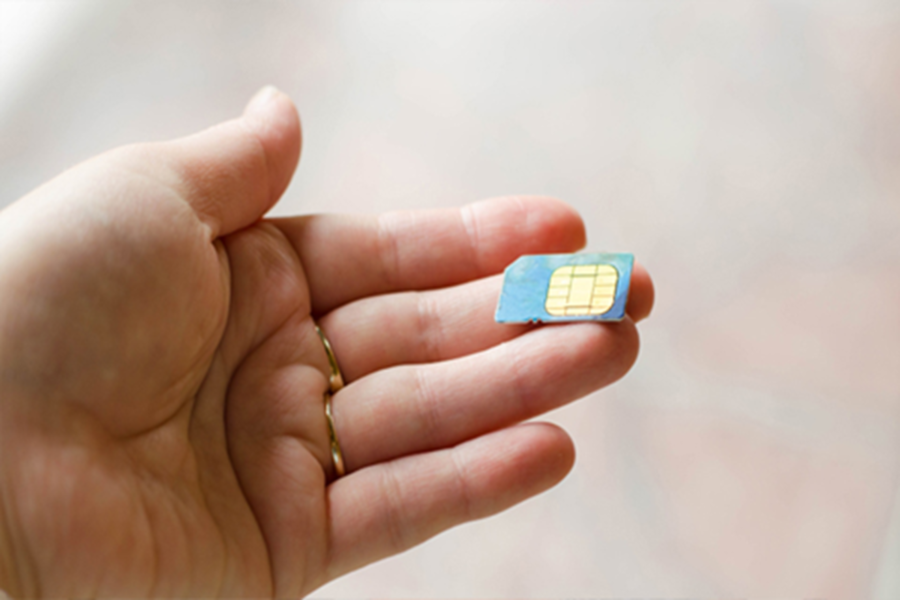
SIM Card Deactivation Rule: In today's world, a mobile number is no longer merely a means for making calls; it has become a crucial component of banking, OTP verification, social media, and personal identity. Consequently, if your SIM card gets deactivated, several essential activities could come to a standstill. But do you know exactly how many days it takes for your number to be disconnected if you fail to recharge it for an extended period? In an era of expensive recharge plans, this question crosses the mind of almost every mobile user. Telecom companies and TRAI adhere to clear-cut regulations regarding this matter. If you, too, wish to safeguard your mobile number, the following information will prove to be extremely useful.
What Do TRAI's Rules State?
The Telecom Regulatory Authority of India (TRAI) has established clear guidelines regarding SIM cards and mobile services. Under these regulations, if a specific number remains without a valid recharge for a prolonged period, the telecom operator begins to gradually restrict its services. Initially, the user is reminded to recharge their account through calls, text messages, and notifications. The objective behind this approach is to provide the user with ample time to ensure their number remains active. If a recharge is still not performed even after these reminders, all services associated with the number begin to be discontinued in a phased manner.
According to TRAI regulations applicable in 2025, a prepaid SIM card can remain active for up to 90 days without any usage (i.e., no calls, messages, or data usage). If there is no activity for 90 days, the operator may deduct ₹20 from the balance to extend the validity period by an additional 30 days. If the available balance falls below ₹20, the SIM card may be deactivated; however, a grace period of 15 days is granted to allow for its reactivation.
Outgoing Services Are Discontinued First
Once the validity of a recharge expires, the immediate impact is felt on outgoing calls and SMS services. Many telecom operators suspend outgoing services the moment the validity period ends, while in some instances, this process is completed within 15 days. During this interim period, the user continues to receive incoming calls and messages. This marks the critical window during which the telecom operator offers the user one final opportunity to save their mobile number. If you recharge your account during this period, all your services are immediately restored. Therefore, delaying a recharge after your validity expires can prove to be costly.
What happens after incoming services are suspended?
If a recharge is not performed even after outgoing services have been suspended, incoming calls and SMS services are also disabled after a certain period. In this state, while your SIM card remains visible on the network, you are unable to utilize any services whatsoever. You will neither receive calls nor messages, nor will you receive any OTPs. You may also encounter issues with services such as banking, UPI, and social media. This is the stage at which most people finally perform a recharge to reactivate their mobile number.
Your Number Could Be Reassigned
Most telecom operators keep a number in an inactive state for a period of 60 to 90 days if it remains without a recharge. If no activity or recharge occurs during this window, the SIM card is permanently deactivated. Subsequently, the company may reincorporate that number into its pool of available numbers. This means that your old mobile number could potentially be allotted to another customer. Therefore, if you wish to retain ownership of your number, ensure that you perform at least a basic recharge periodically. This remains the simplest method to safeguard your mobile number.
Disclaimer: This content has been sourced and edited from TV9. While we have made modifications for clarity and presentation, the original content belongs to its respective authors and website. We do not claim ownership of the content.
