
How to Read an Electricity Meter Correctly? Learn how your bill is calculated and essential details related to meter reading..
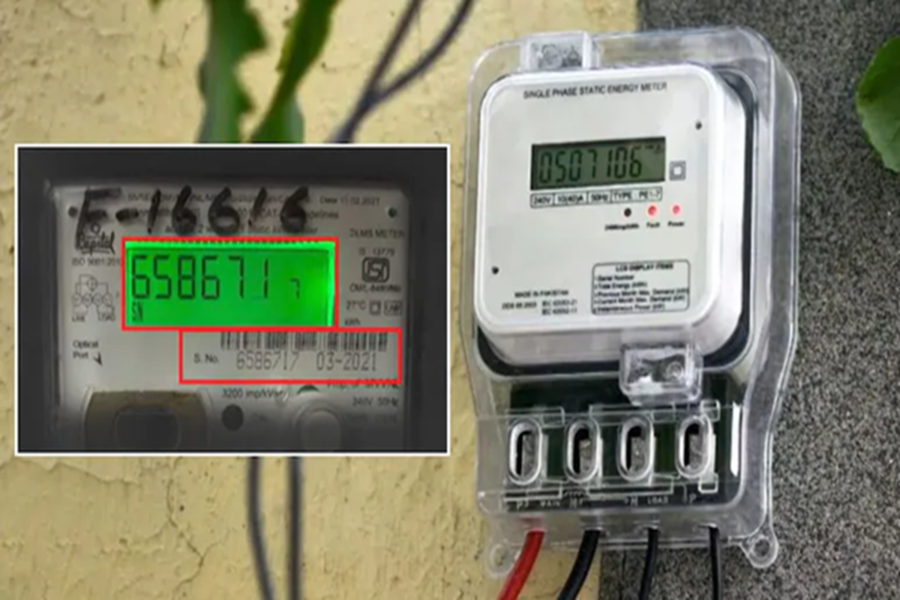
Electric Meter Reading: Often, people suddenly receive unusually high electricity bills, leading to increased confusion and distress. This occurs because people are often unaware of exactly how an electricity bill is calculated and which specific components are included in it. Consequently, we must learn how to properly read and interpret our electricity bills, as well as familiarize ourselves with the details surrounding meter readings. Recently, the Uttar Pradesh Power Corporation Limited (UPPCL) posted a video on its official X (formerly Twitter) account, explaining how to correctly read an electricity bill and how the billing process works. Let's take a look...
To properly understand an electricity meter, it is crucial to first familiarize yourself with a few technical terms. These terms typically appear on every meter and are directly linked to your monthly electricity bill.
1. **Meter Serial Number:** This is a unique identification number assigned by the meter's manufacturer.
2. **Energy Consumption (kWh/kVAh):** This indicates the total number of electricity units you have consumed.
3. **Maximum Demand (MD):** This represents the highest electrical load utilized during the current billing month.
**How Many Types of Electricity Meters Are There?**
Electricity meters are broadly classified into two types:
* **Single-Phase Meter:** This type of meter is used for connections with a load capacity ranging from 1 kW to 4 kW.
* **Three-Phase Meter:** This meter is utilized for connections with a load capacity of 5 kW and above.
**How to Read an Electric Meter?**
Every digital electricity meter features a push button. As you press this button repeatedly, various types of information cycle through and appear on the screen. This data typically includes the current time, date, meter serial number, total cumulative consumption, the maximum demand recorded for the current month, the date and time at which that maximum demand occurred, the maximum demand from the previous month, cumulative demand, voltage levels, and current readings.
**Billing Based on kWh vs. kVAh**
Please note that for connections with a load capacity of less than 10 kW, billing is calculated based on **kWh** consumption. Conversely, for connections with a load capacity of 10 kW or higher, billing is calculated based on **kVAh** consumption. The KWH and KVAH readings displayed on the meter represent the actual unit consumption, which forms the basis of the electricity bill.
