
How much electricity does your TV consume? Understand the difference between analog and digital..
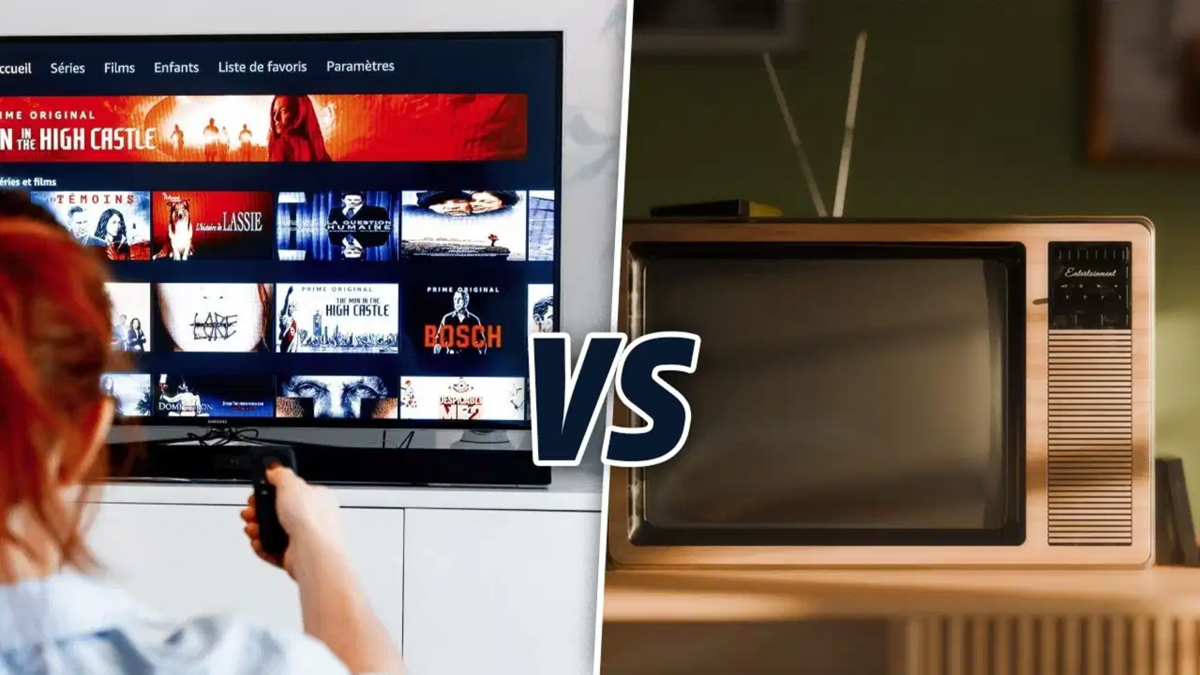
Nowadays, there is hardly a home without a television. In the past, TVs were bulky, and the picture quality wasn't as clear as it is today; slim, large-screen TVs have since replaced those older models. But have you ever wondered how the picture and sound actually reach the TV? While analog TVs were used in the past, most modern TVs operate using digital technology.
The way they function differs, and there are significant differences in picture quality, sound, and power consumption. Let’s understand this in simple terms.
What were Analog TVs?
In analog TVs, picture and audio were transmitted as continuously varying signals—meaning the video and sound reached the TV via a wave-like transmission. The major drawback of this technology was that if the signal weakened, the picture and sound quality would deteriorate.
You might recall seeing lines, flickering, or a blurry image on older TV screens; this was caused by weak signals or interference. The greater the distance or the more signal issues there were, the worse the picture quality became.
How do Digital TVs work?
Most modern TVs operate digitally. Picture and audio are not transmitted directly; instead, they are first converted into digital data—essentially a stream of 0s and 1s. This data is then transmitted to the TV, which converts it back into picture and sound.
The advantage of digital technology is that data can be easily transmitted, managed, and stored. This is why we enjoy clearer pictures, better sound, and high-quality video today.
Key differences between Analog and Digital TVs
The primary difference lies in the signal. With analog TVs, a weak signal causes the picture quality to gradually degrade, and static or noise may be heard in the audio. With digital TVs, if the signal is strong, the picture and sound remain very clear. However, this does not mean that digital TVs are immune to signal issues. If the digital signal becomes very weak, small box-like artifacts may appear on the screen. Sometimes, the picture stutters, or the screen may freeze temporarily.
Which consumes more electricity?
Older analog TVs typically featured large, bulky picture tubes. A 19- to 21-inch model of this type could consume between 60 and 120 watts of power, with larger sets consuming even more. In contrast, modern flat-screen digital TVs generally consume less electricity. Small to medium-sized models typically use between 20 and 70 watts, while larger ones may consume around 100 watts or more, depending on the specific model. Consequently, modern digital TVs generally use less power than older tube-based TVs.
Has analog TV disappeared completely?
Analog TV is now considered an outdated technology. In many regions, it has been almost entirely replaced by digital broadcasting. However, this technology can still be found in older TV sets and certain legacy systems.
Disclaimer: This content has been sourced and edited from TV9. While we have made modifications for clarity and presentation, the original content belongs to its respective authors and website. We do not claim ownership of the content.
