
How exactly are your details stored on an ATM card? How does the information reach the machine? Find out the entire process..
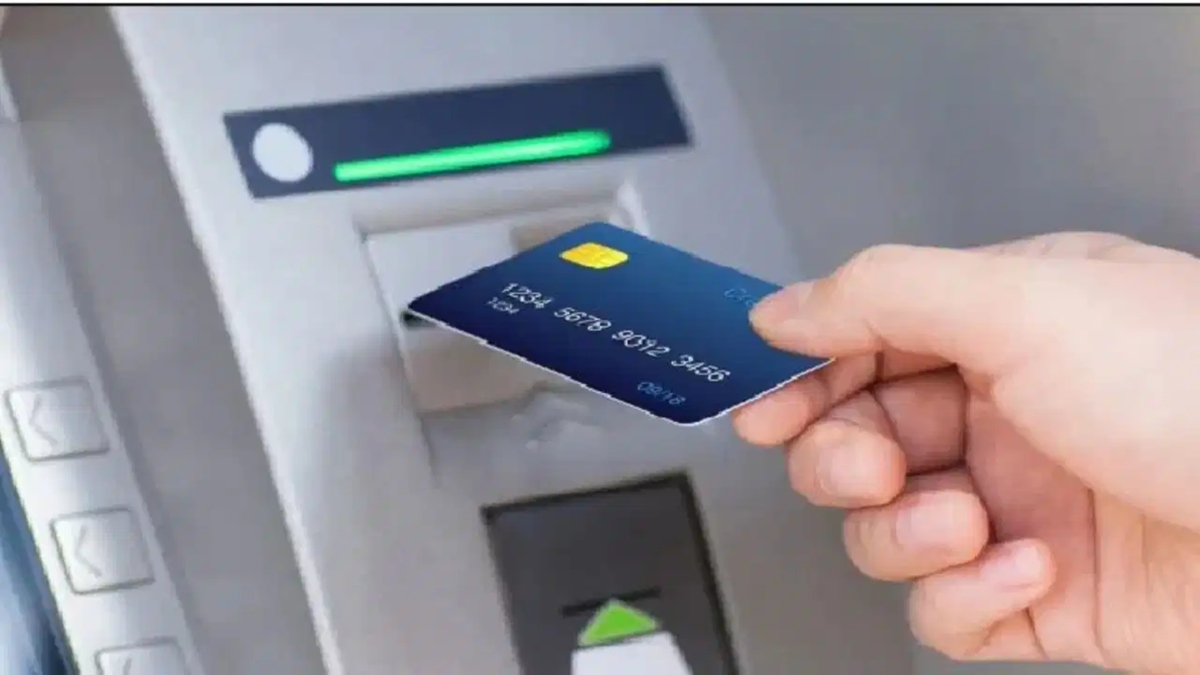
Despite the growing use of online payments today, the need for ATM or debit cards has not vanished. People use ATMs to withdraw money from their bank accounts when needed, and some machines even allow cash deposits. But have you ever wondered where your information is stored on an ATM card and how the machine recognizes it the moment it is inserted?
Let’s understand, in simple terms, the technology behind ATM cards and how the entire system keeps your transactions secure.
What information is on an ATM card?
When looking at an ATM or debit card, we typically see details like the card number, name, and expiry date. However, the card holds more information than just that. It contains a chip or a magnetic strip that stores essential data related to the card.
This can include the card number, bank identification, card validity, and certain security-related details. However, your full bank account details or the actual balance in your account are not stored directly on the card itself.
How does the magnetic strip work?
Magnetic strips were commonly used in older ATM and debit cards. Data is recorded magnetically onto the black strip visible on the back of the card.
When the card is swiped through a machine, the machine reads this strip to retrieve the necessary information. This data is then transmitted to the bank's system so the transaction can be processed.
EMV chips enhance security
Most modern debit and ATM cards today use EMV chips. This chip functions like a tiny computer and plays a crucial role in enhancing security during transactions.
An EMV chip can generate a unique security code for every transaction. This is why chip-enabled cards are considered more secure than older magnetic strip cards; they help reduce the risk of fraud caused by copying card information.
How does the ATM machine recognize the card? When you insert your card into an ATM, the machine first reads the necessary information from the card's chip or magnetic strip. This information is then transmitted to the bank's server.
The bank's system verifies whether the card is valid and active, and confirms the existence of the associated account. Once these initial checks are complete, the ATM prompts you to enter your PIN.
What happens after you enter the PIN?
When you enter your PIN at the ATM, the information is securely encrypted and sent to the bank's system. The system then authenticates the PIN to verify its correctness.
If the PIN is correct, the bank's server authorizes the ATM to proceed with the transaction. You can then withdraw cash, check your balance, or utilize other available banking services as needed.
Multiple security technologies
Several technologies are employed simultaneously to secure ATM transactions. These include processes such as EMV chip technology, data encryption, PIN verification, and real-time validation via the bank's server.
The objective of these security measures is to safeguard card information and mitigate the risk of fraud, such as card cloning or unauthorized transactions. Consequently, whenever you use your ATM card, multi-layered security checks operate between the card technology and the bank's server.
Disclaimer: This content has been sourced and edited from TV9. While we have made modifications for clarity and presentation, the original content belongs to its respective authors and website. We do not claim ownership of the content.
