
How does the 'Tap & Pay' card service work, and what should you keep in mind regarding contactless payments?
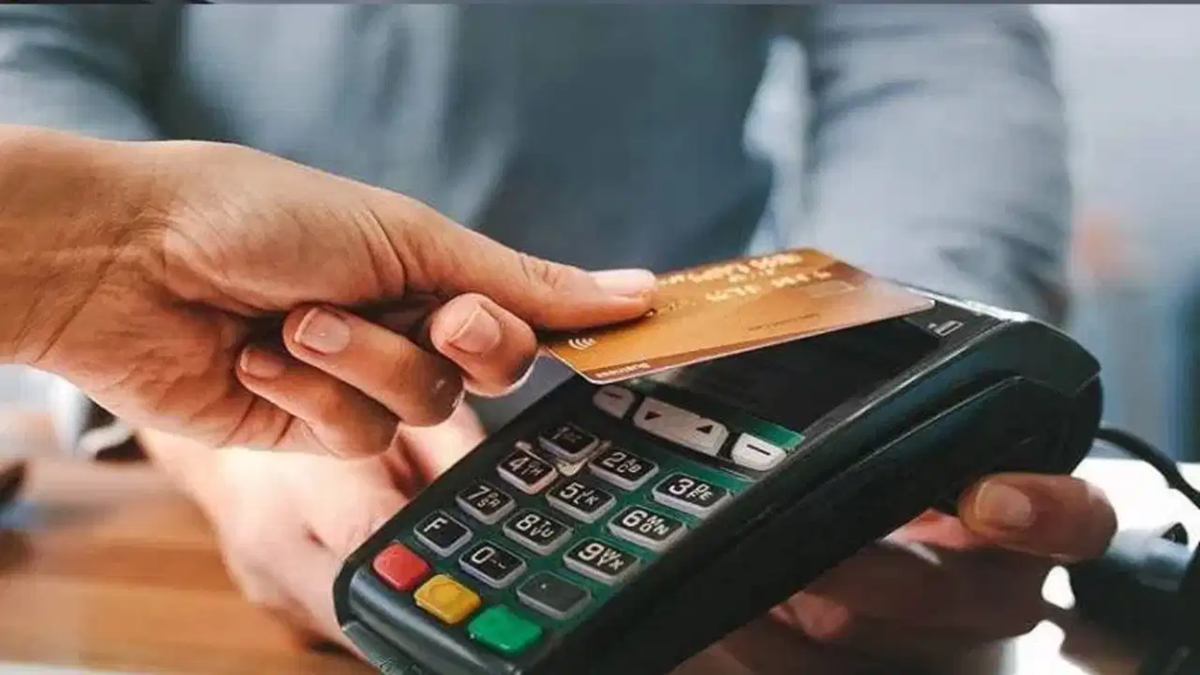
Fast payment methods are evolving rapidly these days. Previously, most people paid with cash; then came the era of debit and credit cards, and now, UPI has become increasingly popular. Even today, however, many people prefer to pay using cards at shops and shopping malls. In the past, one had to swipe a card through a machine and then enter a PIN. Now, however, a payment can be made simply by bringing the card close to the machine. This feature is known as "Tap & Pay" or "contactless payment."
With this technology, a payment is completed in just a few seconds. But have you ever wondered how money is deducted from your account without swiping the card or entering a PIN? Is it safe to make payments this way? Could someone potentially withdraw money from a card kept in your pocket? Let’s explore—in simple terms—how the "Tap & Pay" service works and what precautions you should keep in mind when using it.
What is the "Tap & Pay" card service?
"Tap & Pay" is a feature that allows you to make payments without inserting your card into a machine. You simply need to bring your debit or credit card close to the merchant’s payment terminal—also known as a POS (Point of Sale) machine. The machine detects the card, and the payment is processed in just a few seconds.
This feature is also called "contactless payment" because there is no need to physically insert the card into the machine or touch it against the device. If your card features a symbol resembling a Wi-Fi icon, it means your card supports contactless payments.
How does payment occur via NFC technology?
The "Tap & Pay" service relies on NFC, or "Near Field Communication," technology. This technology facilitates the exchange of information between two devices over a short distance. Similar to Bluetooth, it is a wireless technology, but it operates over a much shorter range. Your contactless card contains a small chip and an antenna. When a merchant enters the payment amount into their POS (Point of Sale) machine and activates it, the machine emits a radio signal.
As you bring your card within 2 to 4 centimeters of the machine, the card's antenna picks up these signals. The card's chip then activates and shares the necessary information with the machine. In this way, the payment process begins without the need to swipe the card.
Things to keep in mind when using 'Tap & Pay':
Always ensure the payment takes place right in front of you.
Check the SMS or app notification received after every transaction.
Verify the amount displayed on the machine before tapping your card.
Inform your bank immediately if your card is lost or stolen.
You can adjust the limit for contactless payments using the options available in your bank's mobile app.
Disable the service when it is not in use.
How is money deducted without entering a PIN?
Many people believe that making payments without a PIN is unsafe. However, this system is designed with security in mind. For every transaction, the card generates a unique security code—essentially a one-time-use code. This code is transmitted to the bank via the payment machine. The bank's system verifies the validity of the transaction and ensures there are sufficient funds in the account. Once everything is confirmed, the bank approves the payment. The machine then emits a beep, and the funds are deducted from your account.
According to Reserve Bank of India (RBI) guidelines, a PIN is generally not required for contactless card payments of up to ₹5,000 in India. For transactions exceeding this amount, you must enter your PIN after tapping the card.
Can money be stolen from a card kept in your pocket?
Videos occasionally appear on social media regarding contactless payments, claiming that someone could potentially withdraw money by bringing a payment terminal close to your pocket. In reality, however, this is not easily done. NFC technology operates only over a very short range; it requires the card and the terminal to be in very close proximity to each other. Furthermore, every transaction requires authorization from the bank, and payment terminals are linked to the bank accounts of registered merchants. That said, this does not mean you should be any less cautious; it is important to keep a few things in mind to ensure the security of your card.
Disclaimer: This content has been sourced and edited from TV9. While we have made modifications for clarity and presentation, the original content belongs to its respective authors and website. We do not claim ownership of the content.
