
How does Elon Musk's Starlink service work? The price has also been leaked! Will it launch in India?
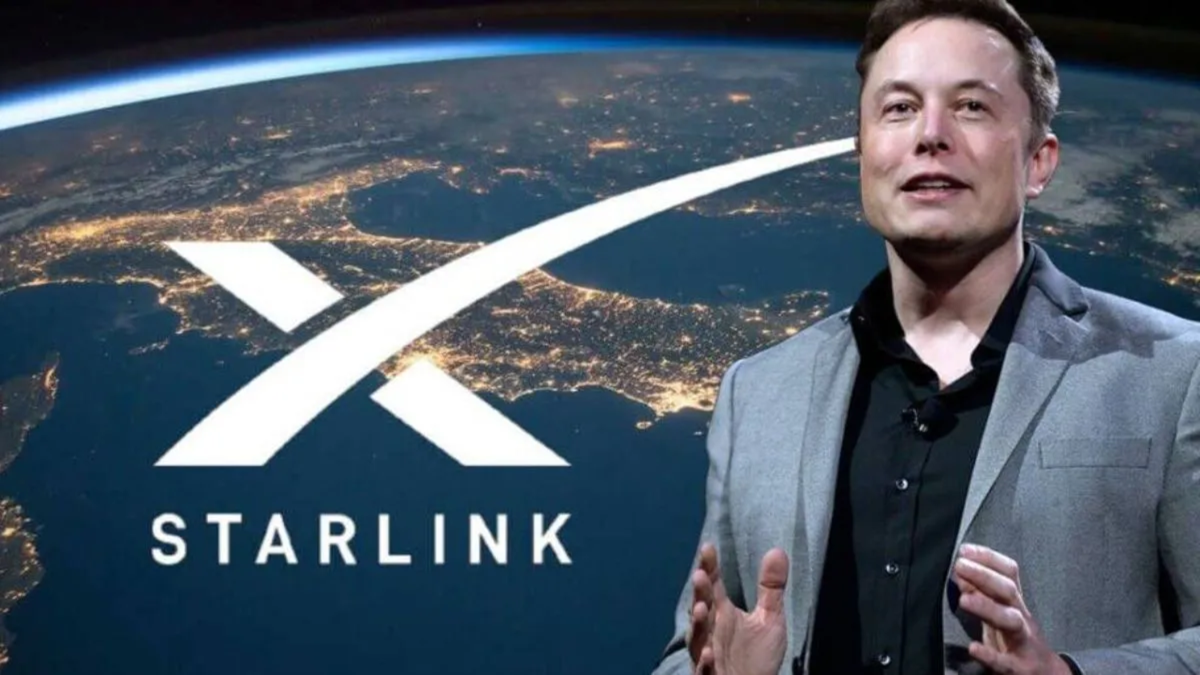
India is still awaiting the arrival of Starlink, the satellite internet company owned by the world's richest person, Elon Musk. The process has stalled due to pending licenses, though there is hope that Starlink will launch in India in the near future. Elon Musk has also indirectly criticized the delay in entry, bringing Starlink back into the spotlight. However, the big question remains: will people truly benefit from its arrival, and what will the cost be? Let us break down all the details for you.
Unlike conventional internet providers, Starlink delivers internet via satellites, meaning it requires no physical cables. This service is particularly useful for remote, rural, and mountainous regions where access to traditional broadband or mobile networks remains extremely limited. If Starlink launches, these areas will gain access to superfast internet and improved connectivity.
**Cost of using Starlink**
Pricing details for Starlink India were briefly leaked on its official website last year, though the company subsequently removed the information. The leaked data indicated a monthly cost of ₹8,600 in India, although the final price could be slightly lower. Additionally, users will need to purchase the Starlink dish antenna, Wi-Fi router, and other necessary hardware; this initial setup costs approximately ₹30,000. The company might initially launch the service with a 30-day or 60-day free trial period.
**How Starlink works**
Unlike traditional fiber-optic cables laid underground, Starlink delivers internet data directly to your home using radio signals transmitted via satellites located in space. Starlink is building a massive constellation of thousands of small, tablet-sized satellites orbiting in Low Earth Orbit (LEO). The company aims to deploy a network of approximately 42,000 mini-satellites in space to provide seamless network coverage to every inch of the Earth. Because these satellites are positioned very close to Earth, they facilitate data transfer with extremely low latency. The entire system is engineered to deliver impressive uptime—exceeding 99.9%—without interruption, even during severe weather conditions such as storms, gales, or heavy rain.
**Expected Internet Speed**
Starlink claims that its advanced network delivers superfast internet speeds of up to 150 Mbps and latency as low as 20 ms, even in rural and remote areas. According to Ookla, a leading speed-test platform, Starlink recorded a median download speed of 160 Mbps in Lithuania—its fastest to date. Installation is incredibly simple; customers do not require a technician's assistance. The superfast internet service activates simply by plugging in the device and pointing the dish antenna toward the sky.
In India, 4G and 5G networks are expanding rapidly, making services available across most regions. These options are also significantly more affordable than Starlink; users can access unlimited 5G data for around ₹300. Furthermore, there are no hefty setup costs involved, and the speeds often far exceed those offered by Starlink. However, this does not negate the need for satellite internet services like Starlink. It can prove highly beneficial in remote or mountainous regions where traditional internet access remains unavailable. However, the price will also have to be kept within the budget for this.
Disclaimer: This content has been sourced and edited from NDTV India. While we have made modifications for clarity and presentation, the original content belongs to its respective authors and website. We do not claim ownership of the content.
