
Health Insurance Scam Alert: How Fake Policy Frauds Are Targeting People and How to Stay Safe
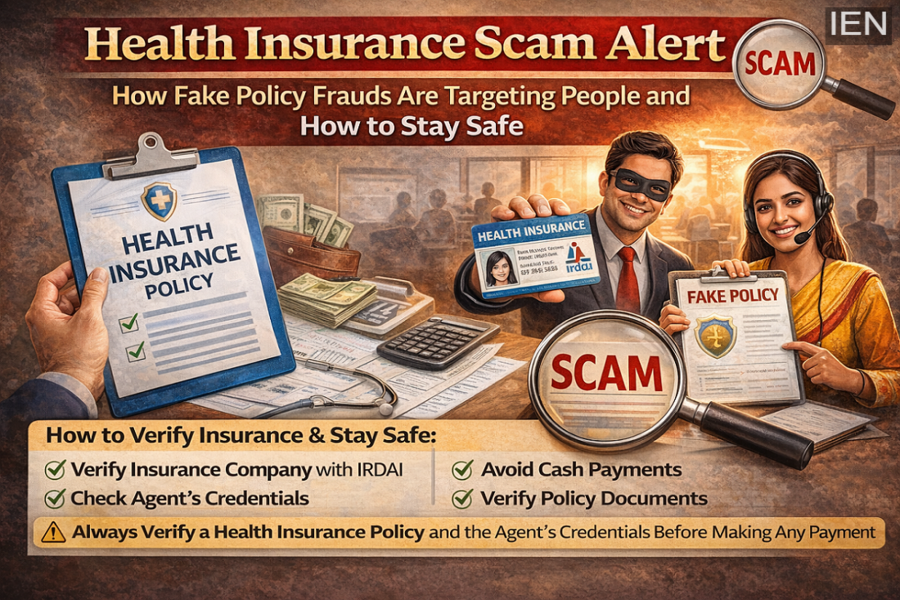
The demand for health insurance in India has increased sharply in recent years, especially after the COVID-19 pandemic. More people are now aware of the importance of financial protection against medical expenses. However, along with this growing demand, cases of health insurance fraud and fake policy scams have also been rising.
Fraudsters are taking advantage of people’s lack of awareness and urgency to purchase insurance. In many cases, individuals buy policies quickly without verifying the insurer or agent, which allows scam networks to exploit them.
Experts warn that people should remain cautious while purchasing health insurance and always verify the authenticity of policies and agents before making any payment.
Where Insurance Fraud Networks Are Active
Insurance fraud networks are reportedly active in several parts of the country, particularly in Hindi-speaking regions. These fraud groups often operate through local contacts to gain the trust of victims.
According to reports, individuals associated with these scams may include:
-
Fake or unverified insurance agents
-
Local intermediaries
-
Individuals claiming to be linked with hospitals or banks
-
In some cases, people posing as health workers or social welfare representatives
These individuals approach people with promises of government-backed insurance schemes or attractive health policies. Once trust is established, they collect personal documents and money from victims.
Who Becomes an Easy Target?
Fraudsters often target people who may have limited awareness about insurance policies. The most common victims include:
-
Elderly individuals
-
Patients or people with health concerns
-
Women in rural or semi-urban areas
-
People with limited financial or digital literacy
Scammers convince them that they are offering government support or special insurance benefits. In reality, they only collect documents and payments to misuse them later.
How the Insurance Scam Works
Most health insurance scams follow a similar pattern. Fraudsters first build trust by presenting themselves as representatives of a bank, insurance company, or government scheme.
They may claim that they are helping people enroll in a special insurance program with low premiums and high coverage.
After gaining the victim’s confidence, they ask for:
-
Aadhaar card copies
-
PAN card details
-
Bank account information
-
Passport-size photographs
-
Upfront payment or processing fees
Once they obtain these documents and payments, they either issue fake insurance policies or misuse the personal data for fraudulent claims.
Fraud Through Manipulation of Personal Data
In some cases, fraud networks manipulate personal information to carry out large-scale insurance scams.
Reports suggest that scammers sometimes use identity details of deceased individuals to file fake insurance claims. By altering personal data and creating false documents, they attempt to claim insurance payouts illegally.
Such practices not only harm individuals but also cause financial losses to insurance companies.
How to Verify a Genuine Health Insurance Policy
To avoid falling victim to insurance fraud, individuals should follow a few important precautions:
Verify the Insurance Company:
Always purchase policies from registered insurers approved by the Insurance Regulatory and Development Authority of India (IRDAI).
Check the Agent’s Credentials:
Ensure the agent is authorized and officially registered with the insurance company.
Avoid Cash Payments:
Make payments only through official banking channels and always collect a receipt.
Verify Policy Documents:
After purchasing a policy, confirm its authenticity directly with the insurance company’s customer support.
Avoid Sharing Personal Documents Unnecessarily:
Do not provide Aadhaar, PAN, or bank details to unknown individuals.
Stay Alert While Buying Health Insurance
Health insurance is an essential financial safety net, but purchasing it without proper verification can expose individuals to fraud. Experts advise consumers to carefully review policy details, check insurer credentials, and avoid dealing with unverified agents.
With awareness and caution, individuals can protect themselves from fake insurance schemes and ensure they receive genuine financial protection when they need it most.
Being vigilant is the best defense against insurance scams in an increasingly digital and interconnected world.
