
Heading to the ATM to withdraw cash? Then make sure you know these 5 banking rules; otherwise, your entire bank account could be drained..
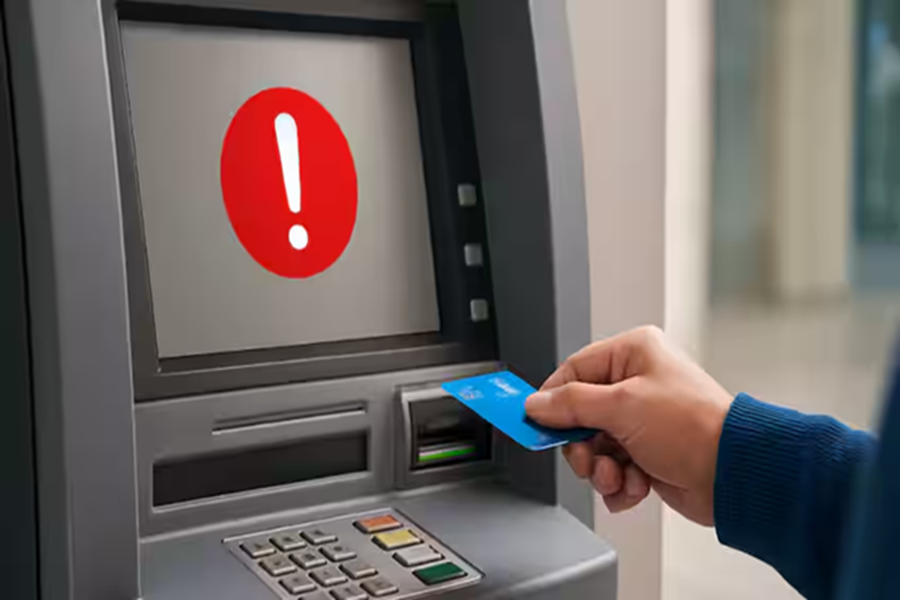
Withdrawing cash from an ATM remains a daily necessity for everyone. To prevent fraud and other security breaches, banks and the government frequently introduce new regulations regarding these operations. Indeed, it is crucial to be aware of these rules to ensure your safety and security. In fact, there are five specific banking rules that everyone should know before withdrawing money from an ATM to ensure the funds in their account remain completely safe.
No major "New ATM Rules for 2026" have been officially issued.
Most of the circulating information consists merely of safety advice (Safety Tips).
The RBI has issued only a few basic guidelines.
Misinformation is spreading fear among the public.
Accessing accurate information is essential.
The Biggest Question: Have the new ATM rules actually come into effect?
No, neither the RBI nor the banks have issued any such "strict new rules for 2026."
Question: Which points are accurate?
Question: Is it mandatory to enter your PIN while concealing it?
Yes, absolutely.
Always cover the keypad while entering your PIN; this protects you from surveillance cameras and prying eyes.
Also Read: Could your ATM card be copied? Never make these mistakes while withdrawing cash; fraudsters could wipe out your entire bank account through "card cloning."
Question: Should one inspect the ATM before use?
Yes.
If you notice anything unusual or suspicious in the card slot, do not use the machine.
Data theft can occur through skimming devices.
Question: What should be done in the event of a failed transaction?
RBI Rule:
The deducted amount should be refunded within 5 days.
If the refund is not received, the bank is liable to pay a penalty.
Question: Which claims are incorrect or misleading?
Is it mandatory for only one person to be inside the ATM booth at a time?
There is no such RBI rule.
This is merely a safety recommendation.
Question: Do AI cameras block transactions?
No such system is currently in place.
ATM transactions are processed solely based on the card and PIN.
Question: Is the bank not liable if a family member uses your ATM card?
Not entirely incorrect, but the claim is overstated.
Banks evaluate each case on an individual basis.
Question: Will wearing a helmet or sunglasses result in my card being blocked?
There is no such rule.
It is merely an illusion.
Question: Why, then, is this misconception spreading?
Because labeling news as "New Rules" generates more clicks.
People share it without verifying its authenticity.
The rise in digital fraud has also heightened public anxiety.
Fact Box: Real ATM Rules vs. Rumors
Do not share your PIN.
Cover the keypad while entering your PIN.
Avoid using suspicious-looking machines.
"AI Camera Blocking" Rule – False.
"New Rules for 2026" – False.
Question: Why is this so important?
Misinformation causes panic among people.
It erodes trust in the banking system.
Genuine security measures get overlooked.
Simply put: Accurate Information = Secure Money.
Question: What changes can we expect in the future?
Digital fraud attempts may increase further.
Banks will continue to strengthen their security protocols.
However, user awareness will remain the most critical factor.
Question: What should you do now?
Remain vigilant while using an ATM.
Never share your PIN or ATM card with anyone.
Do not blindly believe any viral news story without verification.
Always seek information directly from your bank or the RBI's official website.
What this means for you:
You need to understand the situation rather than panic.
ATMs remain just as safe as they have always been.
You simply need to use them correctly.
And you must steer clear of fake news.
The news stories regarding "New ATM Rules for 2026"—which tend to surface periodically—are not entirely true. Therefore, if you simply follow basic safety tips, your money will remain completely secure, and you, as a customer, will face no difficulties whatsoever.
Disclaimer: This content has been sourced and edited from Zee Business. While we have made modifications for clarity and presentation, the original content belongs to its respective authors and website. We do not claim ownership of the content.
