
Have you received an email asking for an e-PAN card? Don't click on the link; fraudsters have adopted this new tactic.
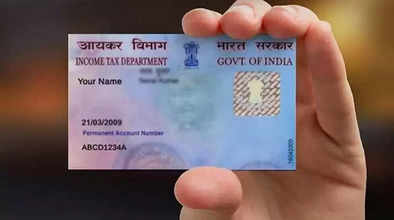
Scammers are now committing fraud using PAN cards. The Public Information Bureau (PIB) has warned against this new type of cyber fraud. If you've received an email asking for an e-PAN card, be cautious.
Scammers use innovative tactics to commit fraud. Sometimes they call and pretend to be bank employees, police officers, or even send you various documents, trying to gain access to your phone. A new method of fraud is currently being attempted under the guise of downloading a PAN card. Have you received an email asking you to download an e-PAN card? The PIB has warned telecom users about such emails.
Harmful to Phone and System
The PIB has declared such emails fake, and if you open and download the documents, it could be harmful to your phone or system.
Do not click on the email.
PIB's fact check found this email to be fraudulent.
Do not respond to any email, link, call, or SMS that asks you to share financial or sensitive information.
Income Tax does not ask for this information.
The Income Tax Department has stated that the Income Tax Department does not ask for detailed personal information via email. The Income Tax Department does not send emails asking for your PIN number, password, or similar access information for credit card, bank, or other financial accounts.
Do not respond to such emails.
The Income Tax Department has advised people that if you receive an email from someone claiming to be authorised by the Income Tax Department, do not respond.
Do not open any attachments. They may contain viruses/code that could harm your computer.
It also advises against clicking on any links.
Phishing Website Links
The PIB stated that if you click on a link from a suspicious email or phishing website, do not enter confidential information such as bank account or credit card details. Phishers may make the link appear genuine, but it actually redirects you to different websites. Use and keep antivirus software, anti-spyware, and firewalls updated. Some phishing emails contain software that can harm your computer or monitor your internet activities without your knowledge.
Frequently Asked Questions
Question: What is the e-PAN card download scam?
Answer: Scammers send fake emails promising to download an e-PAN card and attempt to defraud you by inserting a virus into your phone or computer.
Question: Is the e-PAN download email genuine?
Answer: The PIB has confirmed this as a complete fraud in its fact check. Do not trust such emails.
Question: Does the Income Tax Department ask for personal information via email?
Answer: The Income Tax Department never asks for sensitive information such as PINs, passwords, credit card details, or bank account details via email.
Question: What should I do if I receive such a suspicious email?
Answer: Do not respond to such emails, click on any links, or open any attachments.
Question: What are the risks of downloading attachments?
Answer: Attachments in fake emails may contain viruses or malware, which can harm your device and spy on you.
