
Has your old Android phone become an easy target for hackers? Find out when you should get a new device.
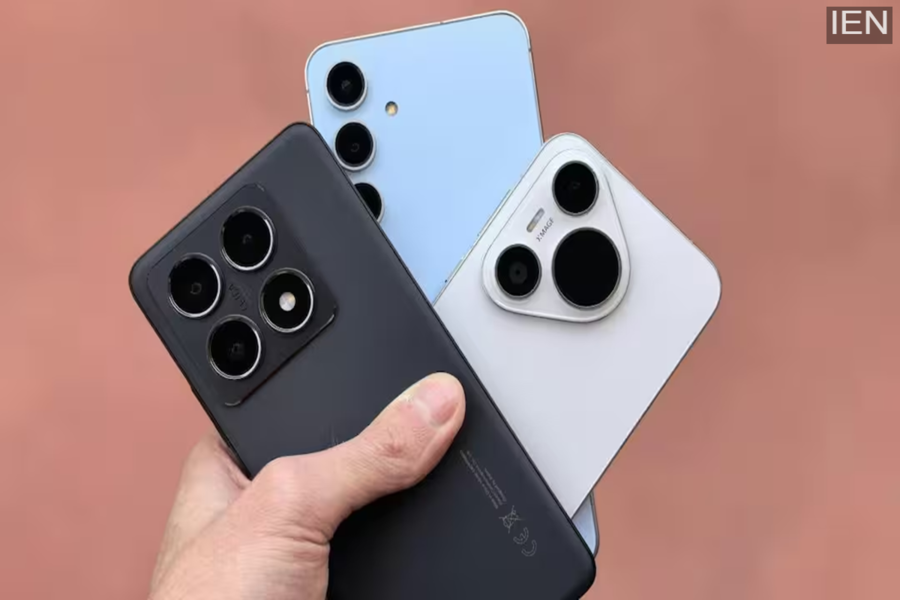
Tech Tips: When a phone stops receiving security updates, new vulnerabilities that emerge are not patched.
Tech Tips: An old Android smartphone can become more than just slow; it can pose a threat to your digital security. Even now, millions of people use Android phones that haven't received software or security updates for a long time.
At first glance, these devices may appear to function normally, but they can harbour security flaws that cybercriminals can easily exploit. Consequently, sticking with an old phone to save money can sometimes come at a high cost to your personal data and online security.
Why do old Android phones pose a greater risk?
Android smartphones do not receive updates indefinitely. Typically, most companies provide security patches and new Android updates for only three to five years. After this period, official support for the device ends.
Once a phone stops receiving security updates, newly discovered vulnerabilities remain unpatched. This makes it easier for hackers and cybercriminals to target these devices. They may attempt to compromise the phone using fake apps, infected websites, or fraudulent links.
Modern smartphones store banking details, passwords, OTPs, private photos, and other sensitive information. Therefore, a phone lacking security updates can pose a significant risk to your personal data.
How do you know when it's time to replace your phone?
According to experts, the biggest indicator is that your phone is no longer receiving Android version updates or security patches. If the manufacturer has discontinued support for your model, using that device for banking, online shopping, or accessing important accounts is considered unsafe.
Additionally, if essential apps stop working or new updates fail to install, it is a sign that the device has become obsolete. Banking and digital payment apps often discontinue support for older Android versions due to security concerns. It is also important to pay attention to hardware-related signs. Frequent hanging, overheating, a swelling battery, or sudden crashes indicate that the device is nearing the end of its lifespan. Such risks typically begin to arise in smartphones that are four to six years old, although some premium models may remain viable for longer.
What if you cannot buy a new phone?
Buying a new smartphone every few years is not feasible for everyone. However, by taking certain precautions, you can significantly mitigate the risks.
If your phone no longer receives updates, avoid using it for banking apps, UPI wallets, or storing other financial information. Uninstall apps you do not use and refrain from downloading APK files from unknown websites or third-party sources.
Additionally, use strong passwords and enable two-factor authentication (2FA) wherever possible. It is also crucial to install any available updates immediately.
How can you make the best use of an old phone?
If your smartphone is still functional but no longer receives security updates, it is best to use it as a secondary device rather than your primary one. You can use it for listening to music, watching videos, entertaining children, or for tasks that rely solely on Wi-Fi.
Merely working is not enough.
An old smartphone may appear to be in perfect condition and handle routine tasks well, but that does not mean it is secure. Once a device stops receiving security updates, its digital security gradually weakens. Therefore, while saving money is important, neglecting your personal information and online security could prove to be far more costly.
