
Germany: Proposal to ban social media for children under 13; concerns rise over fake news and obscene content..
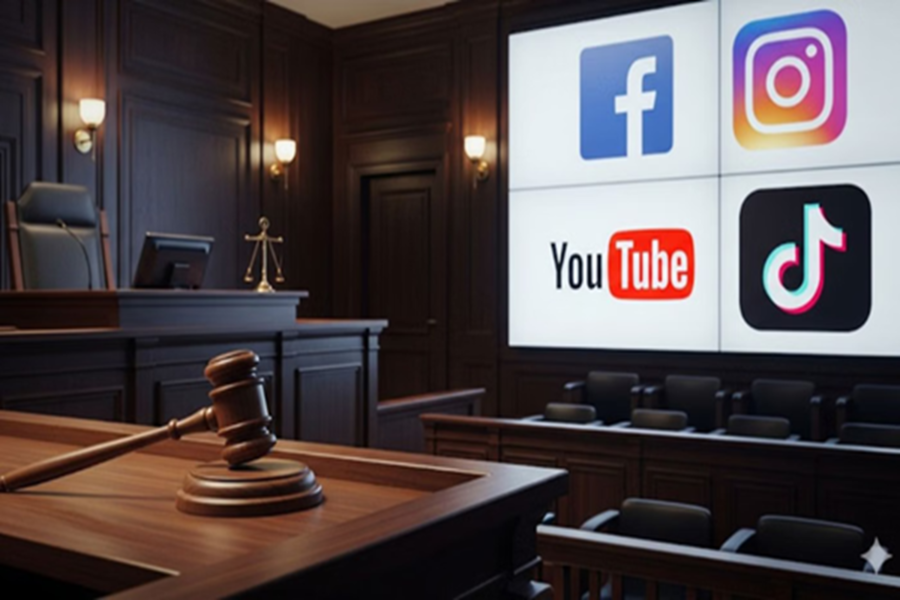
A major proposal regarding the online safety of children and adolescents has been put forward in Germany. An expert panel appointed by the government has suggested that children under the age of 13 should not be permitted to operate their own social media accounts. Additionally, recommendations have been made to enforce strict child safety regulations on social media companies and to define parental responsibilities.
The expert commission has submitted a total of 56 recommendations to the Ministry of Family Affairs, aiming to devise a new strategy to protect children and young people from online threats. These recommendations include the option of a social media ban for children under 13.
**Government Welcomes the Proposal**
Karin Prien, Germany's Minister for Family, Senior Citizens, Women, and Youth Affairs, has supported the proposal. She states that setting a minimum legal age of 13 for independent social media use could be a step in the right direction.
However, the experts have not limited their suggestions to a ban alone. They have also proposed implementing distinct safety standards for the 13–16 and 16–18 age groups. The objective is to protect young people from online dangers without completely isolating them from the digital world.
The panel has also suggested an alternative model. Instead of setting a uniform age limit across all platforms, specific restrictions could be imposed based on a risk assessment of each service and feature.
**Preparations Already Underway in Many Countries**
Germany is not the only country concerned about children's online safety. Several nations—including Australia, France, Canada, Spain, Slovenia, Greece, and the UK—have either implemented age-based restrictions on social media or are working towards doing so.
**Concerns Over Fake News, AI, and Obscene Content**
Germany's ruling conservative and social democratic parties have already expressed support for imposing certain limits on social media access. They believe that fake news, misleading AI-generated images, violent material, and obscene content are becoming serious threats to children and adolescents.
Furthermore, political parties are concerned that extremist ideologies are attempting to influence young children and youth through social media. This is why the debate regarding online safety in Germany is set to intensify.
Disclaimer: This content has been sourced and edited from Amar Ujala. While we have made modifications for clarity and presentation, the original content belongs to its respective authors and website. We do not claim ownership of the content.
