
From your location to device details, UPI apps collect this information; here’s how to check..
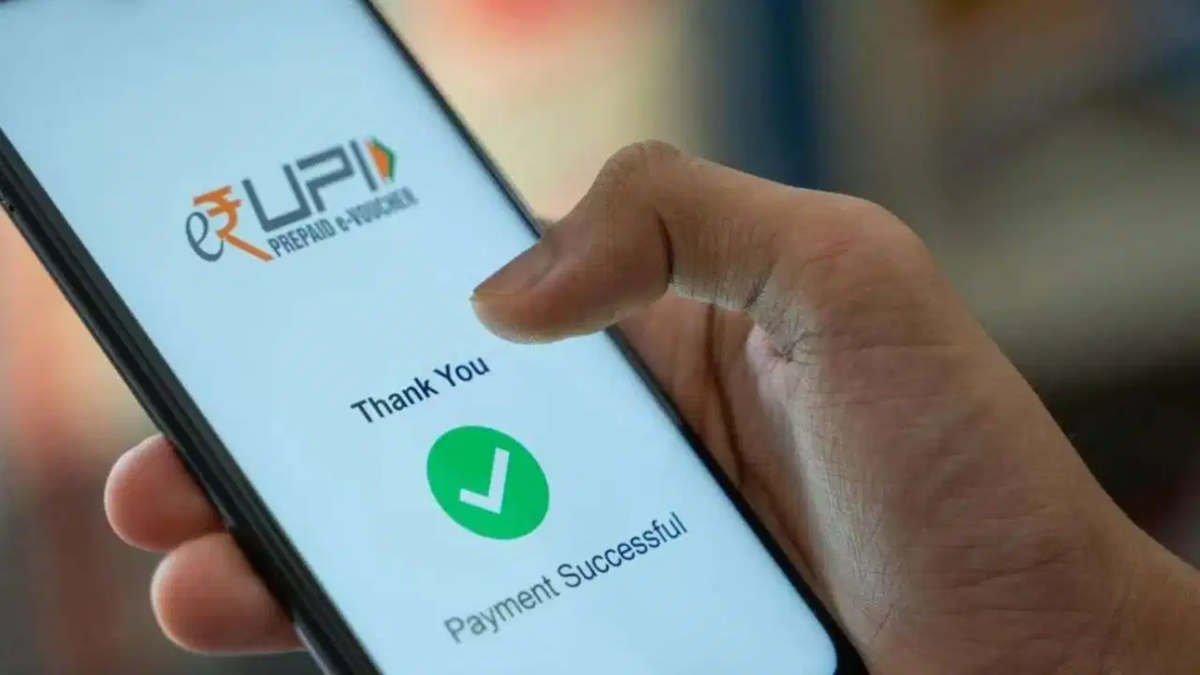
In today’s digital age, most people use UPI for payments everywhere—from local tea stalls to shopping. Online payments have become so commonplace that whether you are buying vegetables or paying an LIC premium, the task can be completed in the blink of an eye. The advent of online payment apps has simplified financial transactions, reducing the need for frequent visits to the bank. But have you ever wondered what kind of information the apps you use for online payments collect from your phone? Have you ever checked what permissions these apps have been granted? If not, let’s explore the answers to these questions.
What else is tracked, beyond bank and transaction details?
Let’s start with device information. According to the privacy policies of most online payment apps, the company may collect details such as your smartphone model, device identifier, IP address, internet bandwidth, and location. Some apps may also gather data regarding technical glitches or errors encountered while using the app. This information is used to improve the app’s services, enhance security, and manage user accounts.
Monitoring SMS and app usage
SMS access is also crucial for these payment apps. Messages may be used for tasks such as verifying your mobile number during registration, auto-filling OTPs, and performing safety checks. Additionally, the apps may collect data on your search history, usage patterns, crash reports, and diagnostic information. With the necessary permissions, these apps can utilize SMS-related data for purposes linked to payments and security.
Why are location and contact information required?
The use of location data is not limited to simply showing nearby shops; payment apps also use it to prevent fraud, ensure security, and comply with regulatory requirements. Furthermore, apps may request your consent for permissions such as access to your camera, microphone, or location to facilitate specific services. For example, video KYC or the onboarding process for a service.
Data is also collected to detect fraud.
Security is paramount in digital payments. Therefore, apps may use information—such as device identification, transaction timestamps, payment amounts, payment-related activity, and suspicious behavior—to identify potential risks.
Security and Fraud Detection Data
In accordance with RBI and NPCI guidelines, apps are required to implement robust and stringent measures to prevent fraud. To this end, they analyze data such as your typing behavior (e.g., the speed at which you enter a PIN or numbers) and input from your device’s motion sensors. This helps determine whether the phone is being used by the genuine owner or is being controlled by a bot.
How to Check App Permissions
Users can navigate to their phone’s 'Settings,' select 'Apps,' and then check the 'App Permissions' section for specific payment apps to see which ones have access to the camera, location, contacts, or microphone. You can revoke any permissions that do not appear necessary for the app's functionality; however, please note that doing so may cause certain features to stop working.
Disclaimer: This content has been sourced and edited from Money Control. While we have made modifications for clarity and presentation, the original content belongs to its respective authors and website. We do not claim ownership of the content.
