
From smart TVs to smart speakers... could 5 smart gadgets in your home be spying on you? Find out how to stay safe..
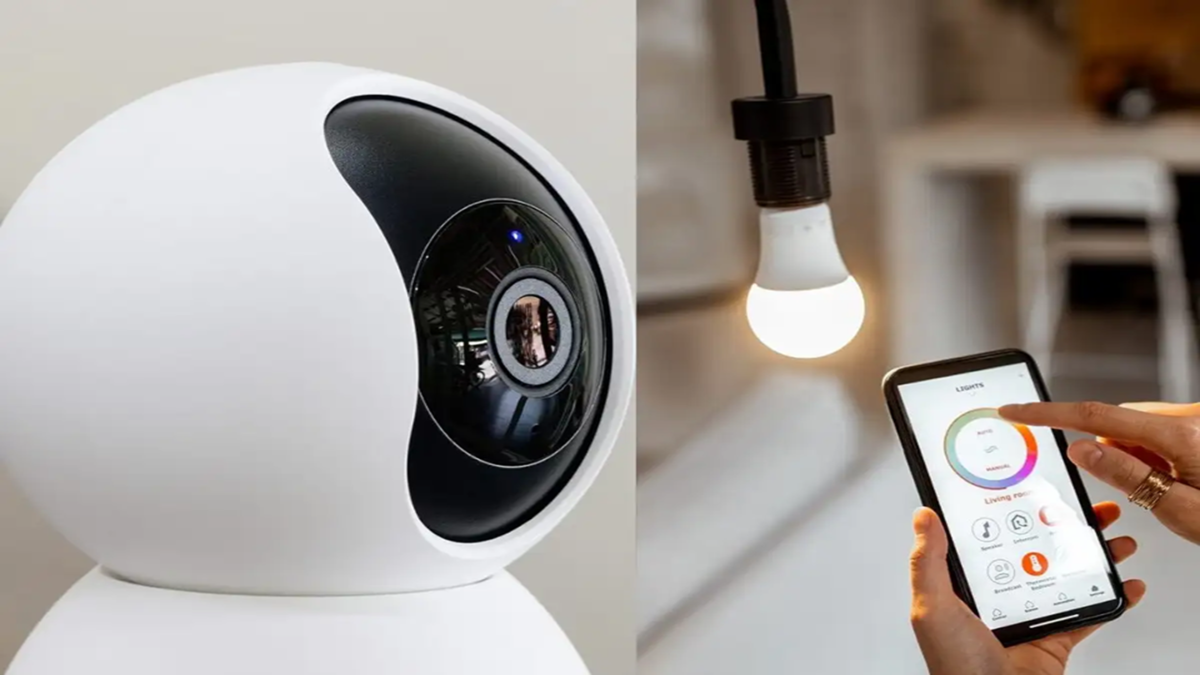
Smart TVs, smart speakers, robot vacuum cleaners, and Wi-Fi CCTV cameras have become part of millions of households. Thanks to the Internet of Things (IoT), these devices are making our lives easier than ever. However, these very smart gadgets are also creating an extensive record of your private life. These devices remain connected to the internet around the clock, continuously gathering data via cameras, microphones, and sensors. Even a minor security lapse could allow your private photos, conversations, and details about your home to fall into the wrong hands. Reports from organizations such as MIT Technology Review, Consumer Reports, and Check Point Research have highlighted numerous such incidents. It is, therefore, crucial to determine whether the convenience of a smart home is turning into a major vulnerability for your privacy.
How smart gadgets become digital spies
A smart home is not merely a collection of internet-connected appliances; it is an integrated system that constantly processes data. Devices like smart TVs, Alexa, Google Home, robot vacuum cleaners, and Wi-Fi CCTV cameras maintain a constant internet connection. Equipped with cameras, microphones, motion sensors, and other sensors, they record information regarding the home environment and user activities. While this data is what makes these devices "smart," compromised security can allow this information to reach cybercriminals. Consequently, cybersecurity experts now view smart homes as a significant issue involving both convenience and security.
How private data leaked from robot vacuums and smart TVs
An investigative report by MIT Technology Review revealed that highly private images of the home interior, recorded by a popular brand's robot vacuum cleaner, had ended up on the internet. According to the report, these images included a picture of a woman sitting on a toilet seat. The images were initially transmitted to a cloud server and subsequently found their way onto social media during the data annotation process used for AI training. On the other hand, the Automatic Content Recognition (ACR) technology found in smart TVs records what the user is watching. Various cybersecurity investigations have also revealed that some companies collect information regarding conversations other than just voice commands.
Why CCTV cameras and baby monitors are becoming easy targets for hackers
Wi-Fi CCTV cameras and baby monitors installed for home security are frequently connected to the internet. Reports by Consumer Reports and Check Point Research indicate that millions of cameras are vulnerable to hacking due to weak passwords and outdated firmware. In many instances, hackers gain control of these cameras and can even view live video feeds. Therefore, experts recommend periodically updating firmware, using strong passwords, and enabling two-factor authentication.
What kind of data do hackers and companies actually want?
For cybercriminals, your daily habits are just as valuable as your photos or videos. Smart devices can reveal when you leave the house, when you sleep, how many people live in your home, and which products you use. Smart speakers record samples of your voice, which can be misused for AI voice cloning and online fraud. If someone gains access to a smart lock or CCTV camera, they can determine when the house is empty, thereby increasing the risk of burglary.
You can stay significantly safer by adjusting these settings
According to cybersecurity experts, the first step is to change your Wi-Fi router's default username and password. It is considered safer to connect smart devices to a separate guest network rather than the main network. Features like ACR or viewing data collection on smart TVs can be disabled. For TVs equipped with cameras that are not in use, it is advisable to use a camera cover. You should periodically delete your smart speaker's voice history and keep the microphone muted when not in use. Additionally, you should definitely enable two-factor authentication for the apps controlling your robot vacuums and CCTV cameras.
Embrace the smart home, but prioritize security.
Giving up smart devices is not the solution; instead, it is essential to use them wisely. Before purchasing any new smart gadget, do not look merely at its features and price; also check how quickly the company releases security updates and review its privacy policy. Internet-connected devices offer convenience but also demand responsibility. In the digital world, your security depends largely on your own vigilance. Therefore, by configuring the right settings and adhering to security guidelines, you can ensure your smart home is truly secure.
Disclaimer: This content has been sourced and edited from TV9. While we have made modifications for clarity and presentation, the original content belongs to its respective authors and website. We do not claim ownership of the content.
