
Find out today whether keeping Bluetooth or Wi-Fi on drains your phone's battery faster.
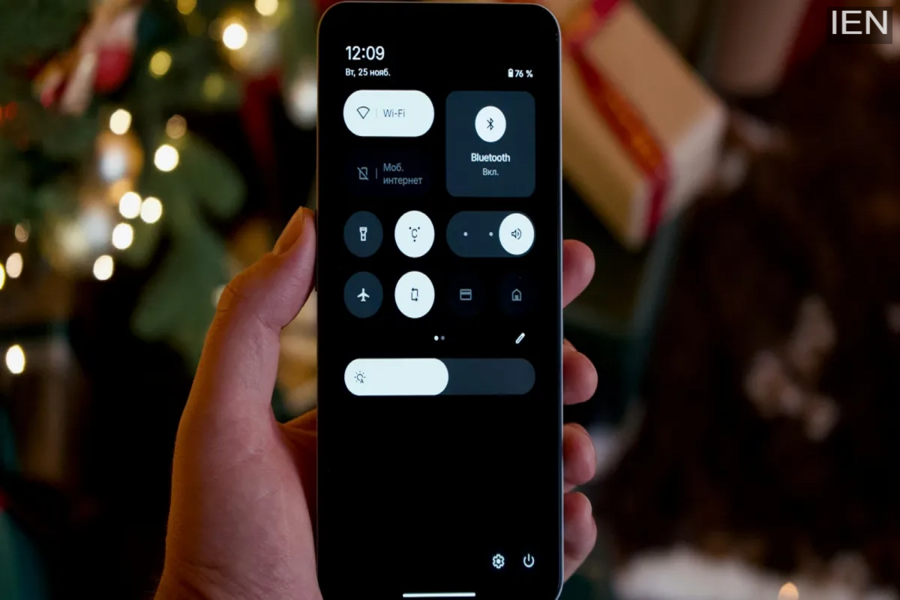
The reasons behind the advice to turn off Bluetooth and Wi-Fi are old, but now you should know about the changes that have taken place.
Bluetooth and Wi-Fi: If you use a smartphone, you've often heard that your phone's Bluetooth and Wi-Fi should be turned off. The reasoning behind this is that it will make your phone's battery last longer, and you won't need to charge it as often. However, did you know that this has changed over time, and now, due to advances in technology, these don't have as much of an impact on the battery in modern smartphones.
Bluetooth Reduces Battery Consumption
The reasons behind the advice to turn off Bluetooth and Wi-Fi were old, but now you should know that today's smartphones have Bluetooth-based low-energy systems that consume almost no battery even when active. You might be surprised to know that modern Bluetooth devices only consume 2.5 mW of energy, so even if you always keep Bluetooth on, it can take about 3 months to drain your battery using Bluetooth alone.
Bluetooth only needs to transmit signals over a few meters (e.g., from your phone to your headphones), so it requires less energy.
Modern smartphones use Bluetooth Low Energy (BLE) technology. When you're not actively transferring data (e.g., when your smartwatch is connected but there are no notifications), it remains in 'sleep mode' and consumes little battery.
WiFi consumes less battery than a mobile connection
WiFi consumes less battery than your mobile connection, and because it's more energy-efficient, it consumes less battery than a mobile connection. If you have both WiFi and a mobile network and you're using WiFi, your phone's battery will last longer. Therefore, it's recommended that you use Wi-Fi if you have it.
Battery consumption with Wi-Fi enabled depends on two factors:
When the phone is connected
If your phone is connected to your home or office Wi-Fi and you're not using it, battery consumption is negligible.
When the phone is not connected
For example, if you're traveling and Wi-Fi is on, your phone constantly searches for new networks. This process consumes some battery, but it's so minimal that you'll likely only notice a difference of 1-2 percent over the course of a day.
