
Fake Loan Apps on the Rise: Government Warns Borrowers to Verify Before Installing
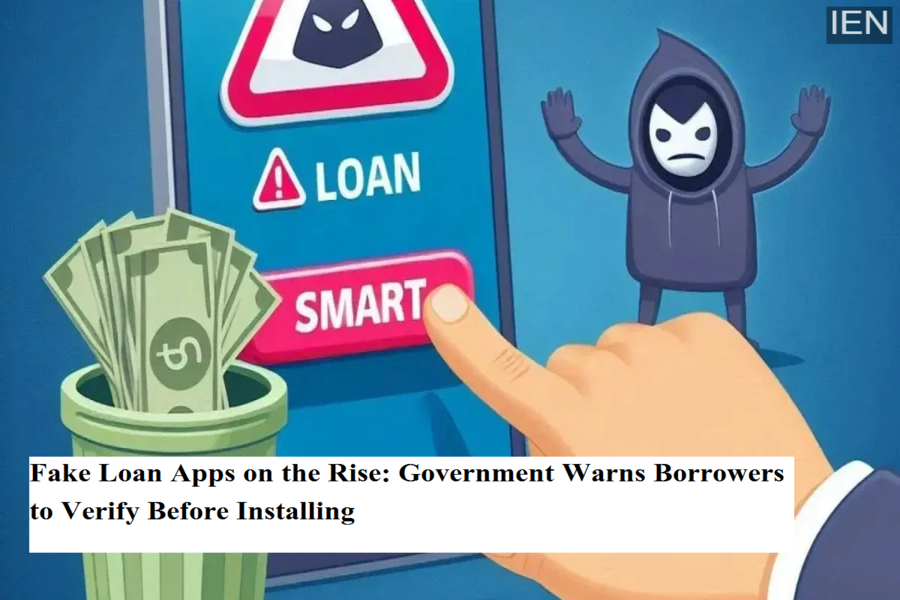
As digital lending grows rapidly across India, cybercriminals are exploiting the urgency for quick loans through fraudulent mobile applications. Authorities have issued a fresh warning after a surge in complaints linked to fake loan apps that promise instant approvals but end up stealing personal data and extorting money.
The advisory comes from the Indian Cyber Crime Coordination Centre (I4C), which operates under the Ministry of Home Affairs. Through its public awareness initiative ‘Cyber Dost,’ the agency has urged citizens to stay alert and download financial apps only after thorough verification. Officials have also emphasized that loans should be taken strictly from institutions regulated by the Reserve Bank of India (RBI).
How the Fake Loan App Scam Works
Fraudulent loan apps typically appear through social media advertisements, unsolicited SMS messages, and even app marketplaces with flashy claims. They lure users with promises such as:
-
Instant loan approval within minutes
-
Minimal documentation requirements
-
No credit score checks
-
Fast disbursal directly into bank accounts
Once downloaded, these apps request extensive permissions—often demanding access to contacts, photo galleries, messages, and personal files. Victims are asked to submit sensitive details including Aadhaar number, PAN card information, bank account credentials, and personal photographs.
In many cases, scammers transfer a small amount of money to the victim’s account to create an impression of legitimacy. However, hidden charges and extremely high interest rates are later added. Borrowers are pressured to repay inflated amounts within short deadlines.
If payment is delayed, the harassment begins. Fraudsters threaten victims with abusive calls, defamatory messages, and in some cases, by contacting individuals listed in their phone’s contact directory. The misuse of personal data often leads to severe emotional distress and reputational damage.
Authorities warn that many of these apps are operated from overseas locations, making recovery and enforcement more complicated.
Why the Problem Is Growing
India’s digital economy has made financial services more accessible than ever. With increasing smartphone penetration and demand for short-term credit, especially among first-time borrowers, scammers are finding easy targets.
Experts say that the urgency to secure quick funds often leads individuals to skip basic verification checks. Attractive advertisements and fake user reviews further create a false sense of trust.
The Indian Cyber Crime Coordination Centre has identified several suspicious apps and continues to monitor online lending platforms. Citizens are encouraged to report questionable apps to prevent wider damage.
How to Protect Yourself from Fake Loan Apps
Cybersecurity officials recommend the following precautions:
1. Verify RBI Registration
Always confirm whether the lender is registered with the Reserve Bank of India. Loans should only be taken from RBI-regulated banks or Non-Banking Financial Companies (NBFCs).
2. Check App Credentials
Before downloading any financial application:
-
Review the developer’s background
-
Examine ratings and authentic user reviews
-
Verify company registration details
3. Avoid Excessive Permissions
Be cautious if an app asks for unnecessary access to contacts, photos, or files. Legitimate lenders do not require access to your personal contact list.
4. Do Not Click Unknown Links
Avoid installing apps through suspicious advertisements, forwarded messages, or unknown links.
5. Be Wary of Unrealistic Offers
If an app promises unusually low interest rates, instant approvals without checks, or pressures you to act immediately, treat it as a red flag.
What to Do If You Become a Victim
If you suspect that you have fallen prey to a fake loan app scam, act immediately:
-
Inform your bank and request to block your account or card to prevent further unauthorized transactions.
-
Call the National Cyber Crime Helpline at 1930 for urgent assistance.
-
File a complaint on the official cybercrime portal (www.cybercrime.gov.in).
Prompt reporting significantly increases the chances of freezing or recovering stolen funds.
Additionally, preserve all evidence, including screenshots, transaction receipts, threatening messages, and call logs. These records are crucial for investigation and legal action.
The Bottom Line
While digital lending offers convenience, it also demands caution. The latest warning from the Indian Cyber Crime Coordination Centre serves as a reminder that quick financial solutions can sometimes lead to long-term trouble.
Before installing any loan app, verify its authenticity, confirm regulatory approval, and avoid sharing sensitive personal information unnecessarily. In the fight against cyber fraud, awareness and vigilance remain the strongest defenses.
