
Fake Loan Apps Hit Apple App Store Too: Cyber Fraud on the Rise—Follow These Safety Tips to Stay Protected
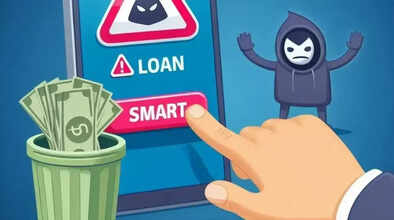
A new wave of cyber fraud is sweeping across India, and this time, scammers have managed to infiltrate even the Apple App Store, a platform widely trusted for its strict security checks. According to the latest alert issued by Cyber Dost, fake loan apps—previously known to appear mostly on the Google Play Store—are now emerging on Apple’s platform as well. This revelation has triggered serious concerns among cybersecurity experts, who believe these apps are designed not just to trap users with fake loan offers but also to steal personal data and extort money.
How Fake Loan Apps Deceive Users
Cybercriminals behind these fraudulent loan apps typically lure victims by promising instant, hassle-free loans within minutes. The offer seems so tempting that many users download the app without verifying the source or legitimacy.
Once installed, these apps:
-
Demand unnecessary permissions
-
Access contact lists, call logs, gallery, and messages
-
Harvest personal data
-
Use the extracted information for intimidation, blackmail, or financial exploitation
These apps may also impose hidden charges, impose extremely high interest rates, or threaten users with abusive recovery tactics. Victims often find themselves trapped in a cycle of financial loss and mental stress, with no legal recourse since the app itself is unregistered and illegal.
How Fake Apps Slip Into the Apple App Store
Apple’s App Store is known for its rigorous review process, but the warning from Cyber Dost highlights that no platform is completely immune to fraud. Cybercriminals often exploit loopholes by:
-
Submitting apps with misleading details
-
Using fake business credentials
-
Hiding malicious features behind seemingly legitimate functions
-
Requesting suspicious app permissions after installation
Since these apps initially appear clean and functional, they sometimes pass the initial screening. Only after thousands of downloads do users begin reporting misuse, by which time the damage may already be done.
This makes it clear that downloading apps only from official stores is not enough—you must independently verify the app’s authenticity as well.
Why This Threat Is Alarming
The spread of fake loan apps across platforms—especially in an ecosystem as secure as Apple’s—poses a significant problem:
-
Users trust official app stores blindly
-
Many fall for quick-loan schemes due to emergencies
-
Personal data theft can lead to long-term financial fraud
-
Families face harassment from cybercriminals accessing phone contacts
-
Awareness about legal loan providers remains low
Cyber experts warn that this is not just small-scale fraud but a large, organized cybercrime ecosystem targeting vulnerable individuals across the country.
How to Stay Safe From Fake Loan Apps
Cyber Dost and cybersecurity professionals have issued practical guidelines to help users stay safe:
1. Download Only Verified Apps
Always use the official App Store or Play Store. Never download apps through links sent via SMS, WhatsApp, or social media.
2. Check App Ratings and Reviews
Scan through user reviews. Poor ratings, repetitive complaints, or suspicious reviews are red flags.
3. Verify the Developer
Legitimate loan apps belong to RBI-licensed banks or NBFCs. Check the developer name and company details before downloading.
4. Beware of Excessive Permissions
If a loan app demands access to your contacts, gallery, or call logs, uninstall it immediately. No genuine loan provider requires such permissions.
5. Look for RBI Registration
Only trust apps backed by RBI-authorized financial institutions. If in doubt, check the RBI’s official list of registered lenders.
6. Report Suspicious Apps
If you detect a fraud app or receive threats, immediately report it by calling 1930 or filing a complaint at the National Cyber Crime Reporting Portal.
Conclusion
The rise of fake loan apps—even on secure platforms like the Apple App Store—shows how rapidly cybercriminals are evolving. While digital lending has made borrowing easier, it has also opened new doors for fraud. Staying alert, verifying app authenticity, and following cybersecurity best practices are essential for safeguarding your data, money, and peace of mind.
