
Fake Apps Can Empty Your Bank Account in Minutes: How the Scam Works and How to Stay Safe
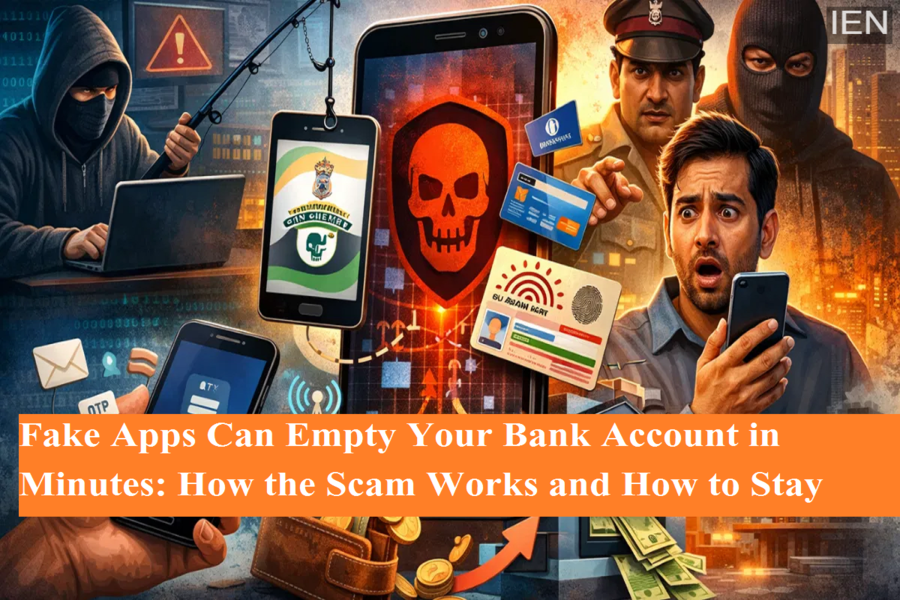
In today’s digital age, smartphone apps have become an inseparable part of everyday life. From tracking steps and monitoring heart rate to managing finances and shopping online, there is an app for almost every need. However, this growing dependence on mobile applications has also opened new doors for cybercriminals. Across India, cases of fraud through fake apps are rising rapidly, putting millions of users at risk of financial loss and identity theft.
Cyber experts warn that simply installing a malicious app can give scammers access to sensitive personal and banking information. In several recent cases, victims have reported losing money within minutes of downloading such apps. These scams are becoming more sophisticated, making it difficult for ordinary users to differentiate between genuine and fake applications.
How Fake App Scams Work
Most fake app frauds begin with phishing messages. Cybercriminals send SMS, WhatsApp messages, or emails claiming to be from banks, government schemes, or financial institutions. These messages often urge users to download an app for loan approval, KYC updates, subsidy benefits, or account verification.
The links usually lead to APK files, which are installed outside official app stores like Google Play Store or Apple App Store. Once the user installs the app, it requests multiple permissions such as access to SMS, contacts, camera, microphone, and screen recording. Many people unknowingly grant these permissions, allowing the app to spy on their activities.
After gaining access, the fake app can read OTP messages, track keystrokes, capture screen activity, and collect sensitive details such as Aadhaar number, PAN, bank account information, and UPI credentials. In some cases, the app silently forwards this data to remote servers controlled by scammers, who then initiate unauthorized transactions.
Fake Loan and Banking Apps: A Growing Threat
One of the most common traps is fake loan apps with names resembling government schemes or popular banks. Apps with names like “Prime Minister Loan Yojana” or those using official-looking logos are designed to build trust. Users are asked to submit KYC documents, selfies, and bank details for quick loan approval.
Once the data is collected, scammers misuse it to empty bank accounts, take loans in the victim’s name, or even blackmail them. In some cases, fraudsters impersonate police officers or government officials and threaten users with “digital arrest” to force them into installing such apps. This tactic creates panic, making people act without verifying the source.
Signs That an App Could Be Fake
There are several red flags users should watch out for. If an app is not available on the official app store, asks for unnecessary permissions, or has no clear developer information, it should be avoided. Apps that promise instant loans, guaranteed returns, or urgent account updates are often traps.
Another warning sign is poor language, spelling mistakes, or unprofessional design in the app interface. Genuine banks and government departments maintain high-quality apps with clear information and customer support details.
How to Protect Yourself from Fake App Fraud
Staying safe in the digital world requires constant awareness. Always download apps only from trusted sources such as Google Play Store or Apple App Store. Before installing, check user reviews, ratings, and the developer’s profile. If an app demands access to SMS, contacts, or files without a valid reason, do not proceed.
Never share OTP, UPI PIN, debit card details, or CVV numbers with anyone, even if they claim to be from a bank or government office. Enable two-factor authentication wherever possible and keep your phone’s operating system updated.
Using a reliable mobile security or antivirus app can also help detect malicious software. Many cybersecurity experts recommend well-known security tools that can block suspicious activity and alert users about risky apps.
For government-related services, always verify information through official websites or helplines. The Government of India has also launched platforms to help users report fraud and suspicious activity, making it easier to take quick action.
What to Do If You Become a Victim
If you suspect that you have installed a fake app or notice unauthorized transactions, act immediately. Contact your bank and request to block or freeze your account to prevent further losses. Change your passwords and UPI PIN without delay.
In India, cyber fraud can be reported by calling the national cybercrime helpline 1930 or by filing a complaint online at the official cybercrime portal. The faster you report, the higher the chances of recovering your money.
If your Aadhaar or PAN details are compromised, lock them through their respective official portals to prevent misuse. Many banks also offer in-app options to report fraud, which can speed up the response process.
Rising Need for Digital Awareness
As digital services expand, cybercriminals are also becoming more innovative. Fake apps are no longer poorly designed or easy to identify. They often look professional and convincing, making it essential for users to stay alert.
Awareness, caution, and quick action are the strongest defenses against such scams. By following safe app practices and staying informed, users can significantly reduce the risk of falling victim to fake app fraud and protect their hard-earned money.
