
Facebook had removed PM Modi's video; what are the rules for video deletion on Meta and YouTube?
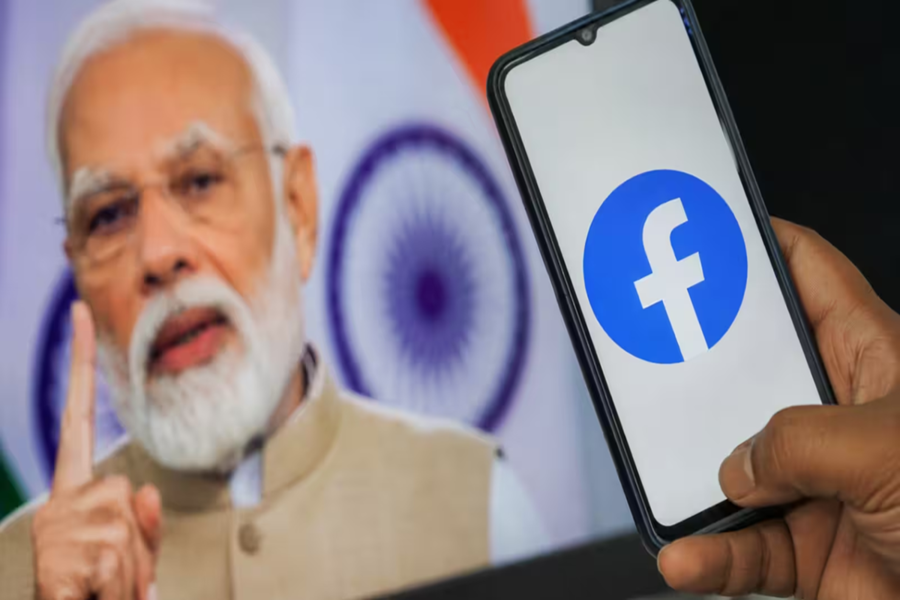
Meta apologized after a video of Prime Minister Narendra Modi was removed from Facebook, stating it was a technical error. The video was subsequently restored. Following this incident, you might be wondering about the rules Meta and YouTube use to decide whether to remove, allow, or promote a video. Let’s understand the video policies of both platforms in simple terms.
Why did Meta restore PM Modi's video?
Meta stated that Prime Minister Narendra Modi's video was removed from Facebook due to a technical error. The company acknowledged the mistake, apologized, and later restored the video. According to Meta, videos on the platform are reviewed based on its Community Standards and Advertising Standards. If content does not violate these rules, it is allowed to remain on the platform.
When is a video removed from Meta?
Under Meta's rules, videos depicting graphic violence, hate speech, adult nudity, content linked to dangerous organizations, or illegal activities are removed. Violating rules results in a "strike" against the account, which can lead to the temporary suspension of certain features or even the removal of the account or page. If someone repeatedly posts another person's video without making creative changes or providing credit, the content's reach may be reduced, or monetization could be blocked. Videos involving recording in private spaces without permission or harassing content may also be removed immediately.
Violating Community Standards: Meta removes videos containing violence, hate speech, obscenity, illegal activities, or dangerous content.
Repeated rule violations: If an account consistently violates rules, it receives a strike. Accumulating multiple strikes can lead to the removal of the account or page.
Copying others' videos: Reposting someone else's video without adding new changes, commentary, or credit can result in reduced reach or the removal of the video. Harassing others or violating privacy—such as recording someone without permission or posting videos involving pranks or targeted harassment—violates Meta's rules, and such videos may be removed.
Exceptions may apply in specific cases; if a video is deemed to be in the public interest, Meta might choose to keep it up rather than remove it, after assessing potential safety risks.
What are the rules for promoting videos on Meta?
Video advertisements promoted on Meta must also adhere to Community Standards. Ads featuring shocking imagery, misleading health claims, or those that unfairly target individuals are not accepted. Every ad undergoes both automated and manual review, typically completed within 24 hours. Specific rules, disclaimers, or age restrictions may apply to ads related to political content, alcohol, gambling, and financial services.
Rules for video removal and posting on YouTube
YouTube also removes videos that violate its Community Guidelines. This includes content involving dangerous activities, cyberattacks, hate speech, and graphic violence. A warning may be issued for a first-time minor violation, but a channel can be permanently shut down if it receives three strikes within 90 days. YouTube also takes action against spam, fake content, purchased views, or re-uploaded videos that lack significant modification. If content belonging to someone else is used, it must include clear modifications or commentary from the creator.
What is required for promotions on YouTube?
If a video includes paid promotion, sponsorship, or product placement, the creator must select the "Paid Promotion" option in YouTube Studio. Conducting paid promotions without disclosure is considered a violation of the rules. Additionally, promotions related to illegal goods, unlicensed medicines, adult services, hacking tools, or online gambling are prohibited. Video ads running via Google Ads also undergo both automated and manual reviews.
Disclaimer: This content has been sourced and edited from TV9. While we have made modifications for clarity and presentation, the original content belongs to its respective authors and website. We do not claim ownership of the content.
