
Exchanging cash for UPI transfers could prove costly; a single mistake might lead to your bank account being frozen.
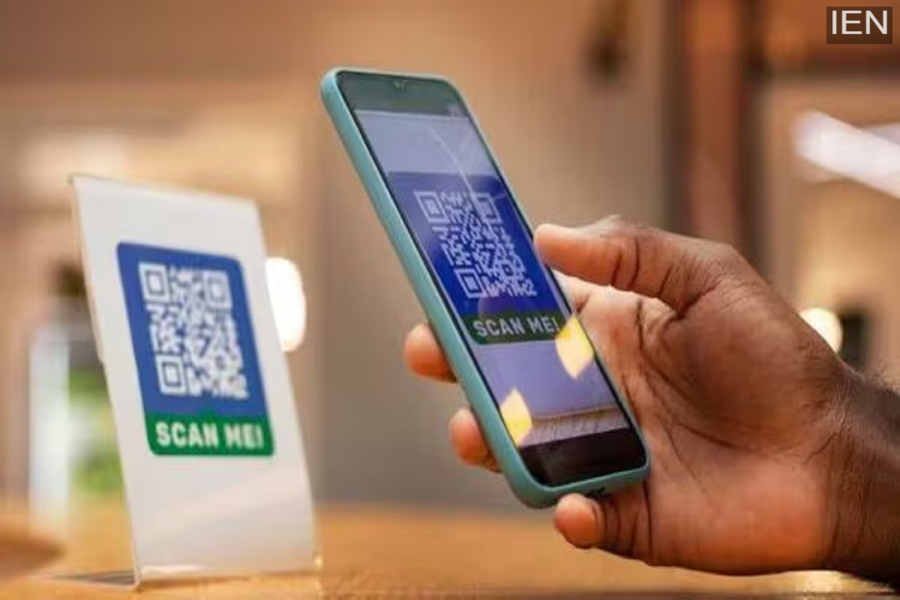
UPI Scam Alert: Be cautious if a stranger sends money to your UPI account and asks for cash in return. Such transactions can land you in legal trouble, subject you to cyber investigations, and result in your account being frozen.
UPI Scam Alert: While technological advancements have made many tasks incredibly easy to handle from the comfort of home, they have also led to a rise in cybercrime. Cybercriminals are constantly devising new methods to target people. Although most people now use online payments for transactions, a new type of fraud has emerged where a stranger might offer to send money to your UPI app in exchange for cash. However, doing so could land you in serious trouble.
How this fraud unfolds
In such cases, a stranger contacts you claiming they need cash. To gain your trust, they actually transfer money into your account and then ask for cash in return. Often, people believe the request is legitimate and hand over the cash.
These mistakes can prove costly
Cybercriminals are extremely cunning and constantly devise new schemes to entrap people. They often transfer funds obtained through theft or online fraud into various bank accounts. It is crucial to realize that the money deposited into your account could be part of a fraudulent scheme. When investigative agencies later trace the money trail, your account details may surface, potentially implicating you despite your innocence.
If your account is linked to a suspicious transaction during an investigation, the bank may freeze your account as a precautionary measure. This can prevent you from withdrawing money or accessing essential banking services.
Take charge of your own safety.
According to experts, you should not exchange money—whether online or in cash—with any unknown person. Keep a close watch on your UPI and bank details. If you notice any issues, inform your bank immediately. Remember, in the event of any cyber fraud, you can file a complaint by calling the national helpline number 1930. Paying attention to these precautions can help you avoid significant financial loss.
