
Every phone has the same basic features, yet why do some cost ₹10,000 while others cost ₹3 lakh? Here is the real reason..
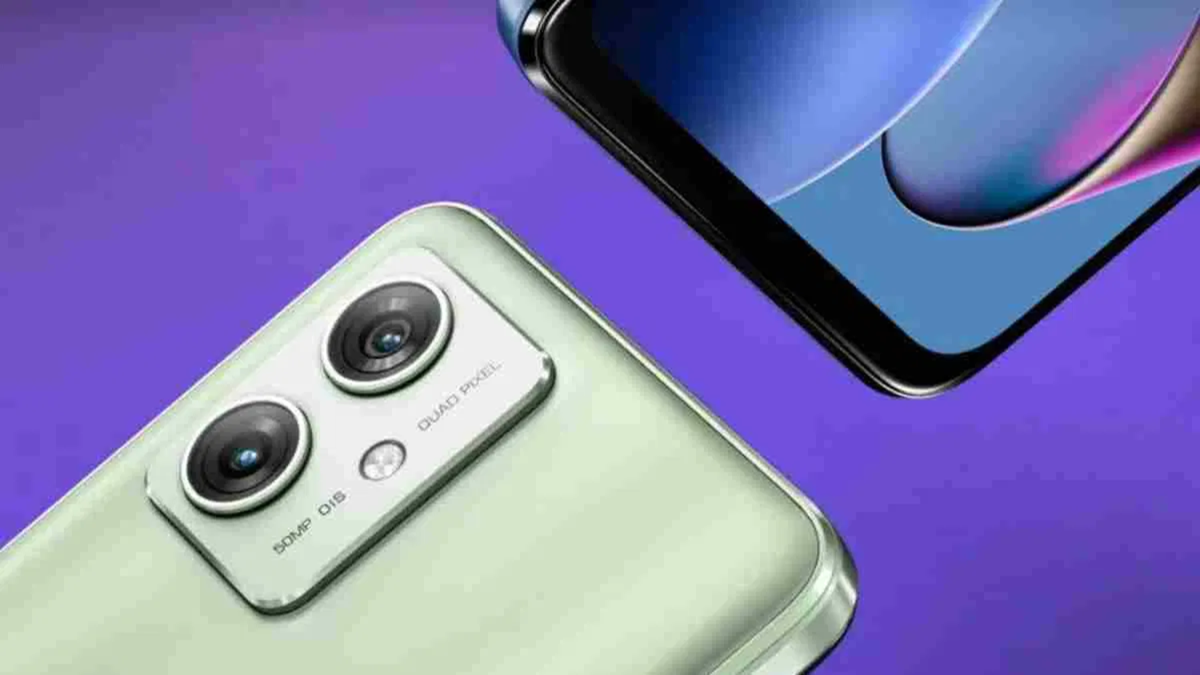
Today, smartphone prices range from ₹10,000 to several lakhs of rupees. Interestingly, almost every phone comes equipped with essentials like calling capabilities, internet access, cameras, large touchscreens, apps, and batteries. So, why does one phone sell for ₹10,000–15,000 while another costs ₹1–3 lakhs? The answer lies in more than just the brand name. Factors such as the processor, camera, display, build quality, storage, software, research, and even the brand's market positioning play significant roles in determining the price.
**Significant Differences in Processor and Hardware**
Two smartphones might look identical from the outside, but the hardware inside them differs vastly. Budget phones typically use processors and components sufficient for daily tasks like calling, social media, and watching videos. Expensive phones utilize more powerful processors capable of handling gaming, complex image processing, AI features, and other demanding tasks with ease. Similarly, higher RAM and faster storage also drive up the price. In short, one cannot gauge a phone's true hardware capabilities simply by looking at its external design.
**Cameras: It’s Not Just About Megapixels**
The camera is a crucial factor when buying a phone today. However, a "50MP" or "200MP" label doesn't guarantee identical photo quality across different phones. Premium phones invest more in superior sensors, lenses, image processing algorithms, and advanced camera systems. Advanced technology is required to deliver better performance in areas like low-light photography, zooming, video recording, and color reproduction. That is why a premium phone with a lower megapixel count can often outperform a budget phone with higher megapixels. High-end smartphone cameras can sometimes even rival DSLR cameras.
**Display and Build Quality Also Drive Up the Price**
A smartphone's display also contributes significantly to its cost. While affordable phones can offer decent screens, expensive models come with superior features like AMOLED panels, higher resolution, greater brightness, and better refresh rates. They also often include enhanced display protection. Furthermore, the materials used for the phone's body influence the price; glass, metal, or other premium materials cost more than plastic. Companies also incur additional expenses for hardware and testing to ensure water and dust resistance.
**The Cost of Software and Long-Term Updates**
A phone is not defined solely by its hardware. Companies spend significant money on developing software, refining it, and providing long-term updates. High-end phones often offer advanced AI features, superior camera processing, custom software capabilities, and extended update support. Developing these features requires substantial investment in research and development. Consequently, a phone's price reflects not just the cost of its components, but also the investment in software and continuous improvement.
**The Value of the Brand**
Now, the big question: why do some phones cost as much as hundreds of thousands of rupees? Brand positioning plays a crucial role here. Premium companies sell more than just a phone; they sell design, materials, exclusive features, and brand value. Manufacturers of high-end phones focus on limited models, distinctive designs, and a premium user experience. Additionally, costs such as advertising, research, service networks, distribution, and retail margins are factored into the final price.
In short, while a ₹10,000 phone and a ₹300,000 phone might perform similar basic tasks, there can be vast differences in the underlying technology, hardware, camera, screen, materials, software, and brand positioning. That is why judging a phone's price solely by the number of features is misleading. The real difference lies in the speed, quality, and longevity with which the phone performs those tasks.
Disclaimer: This content has been sourced and edited from TV9. While we have made modifications for clarity and presentation, the original content belongs to its respective authors and website. We do not claim ownership of the content.
