
eSIM or Physical SIM? Which is more secure and profitable for your smartphone in 2026?
eSIM vs. Physical SIM: The smartphone world is rapidly changing, and mobile connectivity is no longer the same. eSIM technology has rapidly gained ground in the past few years.
eSIM vs. Physical SIM: The smartphone world is rapidly changing, and mobile connectivity is no longer the same. eSIM technology has rapidly gained ground in the past few years. Today, many new phones support both traditional physical SIMs and eSIMs. This begs the question: which is the better and more secure option?
What is a Physical SIM?
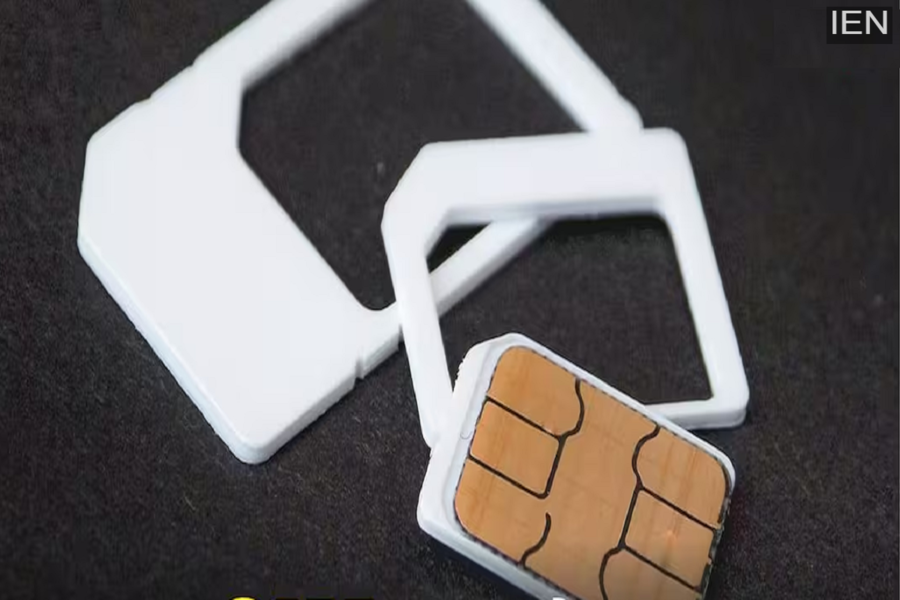
A physical SIM is a small chip that we insert into our phones. It stores your mobile number and network identification. This method has been used worldwide for a long time. Its biggest advantage is that it can be easily removed from one phone and inserted into another.
When purchasing a new phone, simply remove the SIM and insert it into the other device. But this very feature can sometimes become a weakness, as it can be lost, broken, or easily removed in the event of theft.
What is an eSIM?
An eSIM, or embedded SIM, is built into the phone's hardware. It doesn't require inserting or removing a card. The telecom company activates the network profile in your phone through a QR code or digital process. Today, many premium smartphones support eSIM, and in some markets, companies are also offering eSIM-only models.
Which one is ahead in terms of security?
When it comes to security, an eSIM is considered slightly better. Because it's integrated into the phone, it can't be easily removed in the event of theft. This reduces the possibility of misuse.
However, the risk of SIM swap fraud isn't completely eliminated, as it also relies on telecom verification systems. On the other hand, a physical SIM can be removed and inserted into another phone, increasing the risk of misuse.
Convenience and Flexibility
An eSIM can prove more convenient for those who travel frequently. It allows for different network profiles to be added without changing cards. Multiple numbers can be saved digitally on a single phone. However, eSIM support is still limited in many regions. Not all telecom companies and budget smartphones support it. Therefore, a physical SIM remains a viable option.
Whose Future?
Experts believe that eSIMs may be the future. To make phones thinner and more advanced, companies may remove the SIM tray to save space, freeing up space for the battery or other components.
Physical SIMs are currently widely used, but the world is rapidly moving towards digital connectivity. By 2026 and beyond, eSIMs could gradually become the new standard.
