
Emails down, flights grounded, and banking systems failing: are we now destined to face such digital crises on a daily basis in the age of AI?
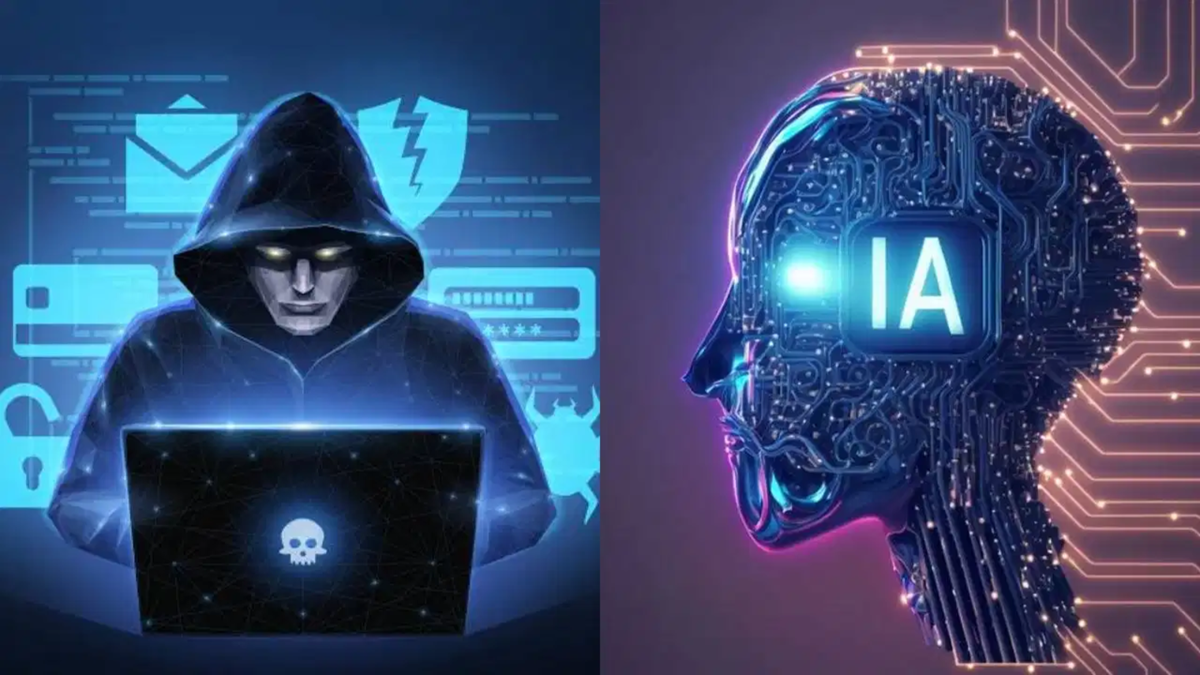
In today’s digital world, nearly every task relies on the internet and technology. While these tools have made many processes easier, they have also introduced significant risks. The recent string of system failures—affecting major global corporations and government agencies—has sparked concern among everyone from the general public to top-tier tech experts. Disruptions to services at companies like Microsoft, JPMorgan Chase, and Apple; the inability to access email inboxes; issues with banking transactions; and the hours-long paralysis of air travel in the United States—all of these incidents are increasingly becoming the new normal. This raises a pressing question: in this era of technology, must we simply learn to live with such disruptions?
Over the past 15 days, users have encountered several major technical issues. A malfunction in Microsoft’s services disrupted email and office-related operations worldwide; services such as Outlook, Teams, and the AI assistant Copilot were affected for a period of time. According to the company, the problem stemmed from a legacy technical flaw that surfaced during a server upgrade.
Impact on Air Travel and Banking Services
In the United States, a failure in the FAA’s network severely disrupted air travel. On Friday, flights across the country were grounded for more than four hours—the longest nationwide ground stop in the last 25 years. Shortly thereafter, United Airlines also experienced technical issues, which led to further flight disruptions.
More recently, customers of JPMorgan Chase faced difficulties; a software bug within the bank’s internal hardware systems caused delays in transactions. Meanwhile, on Tuesday, Apple services—including Apple Music, the App Store, and AppleCare—also experienced disruptions. Are Cybersecurity Threats Growing Due to AI?
Amidst these technical vulnerabilities, the discourse surrounding Artificial Intelligence (AI) has intensified. According to experts, while AI assists in identifying software flaws, it is also being leveraged to make cyberattacks more potent.
Recently, AI was used to uncover several security vulnerabilities in the PHP programming language, prompting companies to issue necessary updates. Similarly, the cybersecurity startup Calif utilized AI to detect a software bug in Java. Following this, Oracle released a security update, and U.S. cybersecurity agencies advised organizations to install it.
Justin Cappos, a cybersecurity expert at New York University, notes that while AI makes it easier for attackers to execute cyberattacks, it is not yet as effective when it comes to fixing bugs.
Will Such Incidents Increase in the Future?
Experts believe that as the use of AI expands, such technical issues may become more frequent. One reason for this is that many existing digital systems were not originally designed with the requirements of large-scale AI services in mind. However, the U.S. government and the relevant companies have stated that there is no evidence linking these incidents to any specific cyberattack or suggesting they are interconnected. U.S. Senator Mark Warner has described these events as a warning, noting that our preparedness to manage the consequences of AI is lagging behind the pace of its development.
Disclaimer: This content has been sourced and edited from Dainik Jagran. While we have made modifications for clarity and presentation, the original content belongs to its respective authors and website. We do not claim ownership of the content.
