
Electronics to Get Costlier: Mobile Phones, TVs and Laptops May See Price Hike as AI Pushes Chip Prices Up
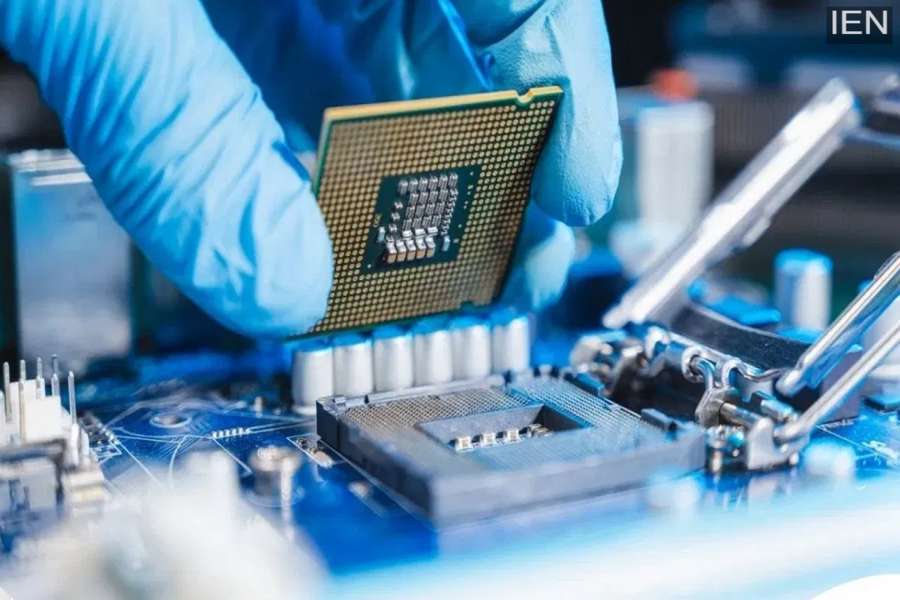
If you are planning to buy a new smartphone, television, or laptop, this might be the right time to rethink. The electronics market is heading towards another round of price hikes, and consumers may soon have to pay more for their favourite gadgets. Industry experts indicate that prices of mobile phones, TVs, and laptops could increase by 4 to 8 percent over the next one to two months.
This fresh hike comes at a time when many electronic products have already become significantly more expensive. Between November and December, prices of several gadgets rose by 3 to 21 percent, putting pressure on household budgets. The main reason behind this ongoing increase is the sharp surge in memory chip prices, driven by the rapid growth of artificial intelligence (AI) and high-performance computing.
AI Boom Driving Chip Demand
According to market analysts, the global demand for memory chips has skyrocketed due to the expansion of AI technologies, data centres, and advanced computing systems. Research firm Counterpoint Research describes the current memory market situation as a “hyper-bull” phase.
In the last quarter alone, memory chip prices jumped by nearly 50 percent, and experts expect another 40 to 50 percent rise in the current quarter. Between April and June, prices may increase by an additional 20 percent. This steep rise has tightened supply chains and increased manufacturing costs for electronics companies worldwide.
As a result, brands are finding it increasingly difficult to absorb the cost pressure, and many are passing it on to consumers.
Smartphone Brands Begin Price Revisions
Several smartphone manufacturers have already started revising their prices. According to industry reports, brands such as Vivo and Nothing have increased the prices of their handsets by ₹3,000 to ₹5,000 in January itself.
Other companies, including Samsung, are adopting a different strategy. Instead of directly raising prices, they are reducing cashback offers and promotional discounts. This indirectly increases the effective price for buyers.
Experts warn that if chip prices continue to rise, brands may also cut down on features such as display quality, camera upgrades, or battery capacity to control costs.
Television Makers Face Supply Pressure
The shortage and rising cost of memory chips are also impacting the television segment. Super Plastronics, which sells TV brands like Kodak, Thomson and Blaupunkt in India, has revealed that it is receiving only 10 percent of the required memory chip supply.
The company has already increased TV prices by 7 percent in November and 10 percent in January, and is preparing for another 4 percent hike in February. This means consumers may see higher price tags even during popular sale seasons.
Industry insiders also suggest that discounts during the upcoming Republic Day sales are likely to be limited, as brands struggle to manage rising costs.
Laptops Already Costlier, More Hikes Expected
Laptop buyers are already feeling the impact. Retail chains report that laptop prices have risen by 5 to 8 percent in recent weeks. Great Eastern Retail director Pulkit Baid has confirmed that TV brands are also signalling upcoming price increases, which could affect overall demand.
With education, work-from-home and online learning still relying heavily on laptops, the price hike could hit students and professionals the hardest.
Mobile Market Could See Major Impact
The mobile phone market may witness the biggest shake-up. The All India Mobile Retailers Association (AIMRA) stated that mobile phone prices increased by 3 to 21 percent during November and December. The association estimates that the total increase could touch 30 percent in the coming months.
AIMRA Chairman Kailash Lakhyani warned that mobile phone sales in 2026 could decline by 10 to 12 percent due to rising prices. The worst impact is expected in the budget segment, especially phones priced below ₹20,000, which are the most popular among Indian consumers.
This could slow down smartphone upgrades and push buyers to hold on to their devices longer than usual.
Why Consumers Should Be Cautious
The rising cost of memory chips is no longer just a problem for manufacturers. It has now become a direct burden on consumers. From smartphones and televisions to laptops and other smart devices, almost every gadget relies on memory components.
If the current trend continues, buying new electronics in 2026 could become significantly more expensive. Many consumers are already adopting a wait-and-watch approach, hoping that prices may stabilise in the coming months.
What Lies Ahead
With AI, cloud computing and data centres expanding rapidly, the demand for high-performance chips is unlikely to slow down anytime soon. This means pressure on electronics prices could remain for a longer period.
For buyers, this is a clear signal to plan purchases carefully, compare prices, and watch for genuine deals. While technology continues to advance, its cost is also rising, and consumers may need to prepare for a more expensive digital future.
