
Electricity Meter Running Fast: Is your electricity meter running too fast? Here’s how you can check it from home..
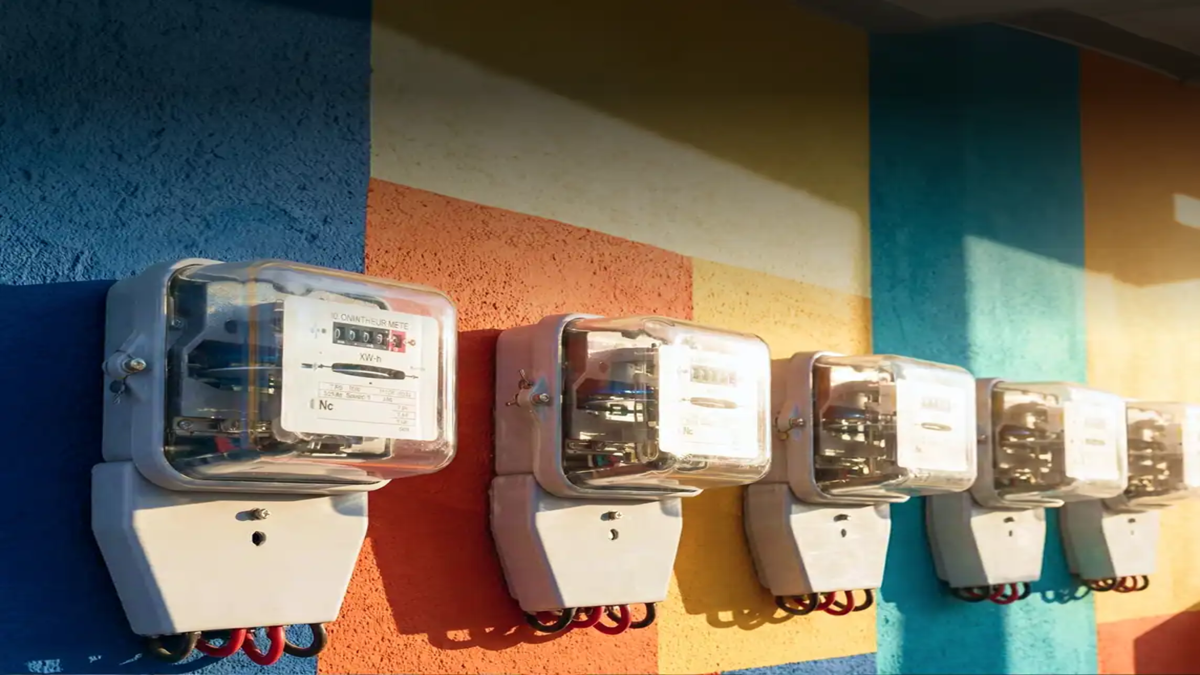
Many people get a ‘shock’—not from electricity itself, but from the sight of an exorbitant electricity bill. They often feel that the number of units consumed, as shown on the bill, is far higher than what they actually used. Complaints about high bills have become even more frequent following the installation of smart meters. Many people, adopting an ‘it won’t make a difference’ attitude, simply pay the bill without question; they don’t bother to investigate why the amount is so high. You can easily determine for yourself whether your meter is functioning correctly or running too fast—and you don’t even need to buy any special equipment. Using a simple, DIY method at home, you can uncover the full ‘case history’ of your meter in just one hour.
The first and easiest way to check your meter is to look for ‘current leakage’—a situation where electricity is leaking from the wiring in your home without your knowledge. To check for this, turn off all appliances, including the refrigerator, television, fans, lights, mobile chargers, and the inverter. Alternatively, you can simply flip the MCB (miniature circuit breaker) on your main distribution board. Next, go to your electricity meter and observe the red ‘pulse indicator’ light. If this light continues to blink rapidly—or if the meter’s digits continue to advance—even though everything is switched off, it indicates that electricity is leaking somewhere in your home’s wiring. This is the reason for your high bill; the meter itself is likely fine.
The 1000-Watt, 1-Hour Load Formula
If the pulse indicator light appears normal after everything has been switched off, you can perform a one-hour load test to verify the meter’s speed. A fundamental principle of physics states that a load of 1000 watts (1 kilowatt) running continuously for one hour consumes exactly 1 unit (1 kWh) of electricity. Note down the initial reading (in kWh) displayed on your electricity meter. Next, switch on a household appliance that consumes exactly 1000 watts (1 kW)—for example, a room heater, an electric iron, or a geyser. Keep an eye on the time and let this appliance run for exactly one hour, then switch it off.
After exactly one hour, note the new reading on the meter and calculate the difference between the two readings. If the reading has increased by exactly 1 unit (or between 0.95 and 1.05 units), your meter is functioning perfectly. If the reading has increased by 1.25, 1.5, or 2 units, it is clear that your meter is running faster than it should, causing you to pay more than necessary. Conversely, if the reading has increased by significantly less than 1 unit, it indicates that the meter is running slow.
Why does an electricity meter run fast?
A meter might run fast not only due to technical faults but also because of several household-related factors:
Current leakage in wiring: If the insulation of old or damaged wiring fails, current may leak into the ground through walls or the earthing system. The meter records this as regular consumption.
Low Power Factor: Inductive loads—such as old motors, aging refrigerators, or air conditioners that lack inverter technology—can negatively affect the power factor, forcing appliances to draw more electricity to operate.
High voltage supply: If the voltage from the grid exceeds 230–240 volts, electronic gadgets may draw more power than required, which causes the meter to record higher consumption.
Sensitivity of smart meters: Older analog meters often failed to register very low levels of consumption. Modern digital and smart meters, however, record even 1 watt of electricity usage, which can also lead to higher electricity bills. Fault in Meter Calibration: At times, due to lightning strikes, short circuits, or a malfunction in the internal sensors, a meter’s calibration can get disrupted, causing it to display incorrect readings.
What to do if your electricity meter is running fast?
If your electricity meter is running fast, you can lodge a complaint with the electricity department. You may submit an application for meter testing at the electricity sub-division office (SDO office) in your area. Once the application is submitted, the department will examine your meter. If the meter is found to be technically faulty or running fast, it will be replaced in accordance with the established rules.
Disclaimer: This content has been sourced and edited from News18 Hindi. While we have made modifications for clarity and presentation, the original content belongs to its respective authors and website. We do not claim ownership of the content.
