
E-waste: What is electronic waste, why is it many times more dangerous than ordinary waste, and how is it disposed of?
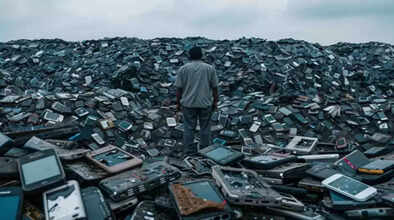
All electronic and electrical devices used in the digital age that are broken, outdated, or have been discontinued are considered e-waste, or electronic waste. This includes our mobile phones, laptops, TVs, old refrigerators, washing machines, chargers, batteries, and other gadgets.
Why is the e-waste problem growing so rapidly?
Rapidly changing technology and the launch of new gadgets every year are contributing to the increase in e-waste. How? Nowadays, whenever a new phone or other device is launched, people throw away perfectly working devices to get the latest features. Alternatively, some electronic products are designed in such a way that repairing them becomes very expensive. This makes it easier for people to buy new electronic goods instead of repairing old ones, which is a major reason for the continuous increase in e-waste.
How dangerous is e-waste to the environment and health?
The toxic elements found in gadgets, such as lead, mercury, cadmium, and lithium, along with plastic and metal, can be dangerous to the environment and human health. This is because improperly disposed of e-waste pollutes the soil, water, and air. Toxic chemicals from electronic waste left in the open seep into the soil and gradually contaminate groundwater. Regarding health risks, the smoke emitted from burning e-waste pollutes the air. This not only harms the environment but also increases the risk of respiratory illnesses, skin diseases, and serious health problems like cancer.
What is the solution to e-waste?
The solution to e-waste is not simply throwing it away, but processing it scientifically. For this, electronic waste and general waste are first separated. Then, it is sent to authorized recycling units. There, the devices are broken down into different parts, and the plastic, glass, metal, and circuit boards are separated. Then, precious metals like copper, gold, and aluminum are extracted for reuse, while toxic substances are safely disposed of.
Why is E-Waste Recycling Important?
E-waste recycling is crucial for both the environment and health. It not only saves nature but also conserves its resources. Many metals found in electronic devices are available in limited quantities. Reusing them reduces the need for new mining. Additionally, it creates new employment opportunities and establishes a proper waste management system, benefiting the economy.
How Can We Help?
The role of ordinary people is paramount in tackling this problem. Therefore, devices should be used until they are completely broken. Before discarding a broken device, an attempt should be made to repair it. Donating old mobile phones or laptops to those in need is also a good option. This not only reduces waste but also helps someone else.
Where to Dispose of E-Waste?
Many electronics companies run e-waste collection programs where old devices can be deposited at a designated center. In addition, many cities have government and private recycling centers. Therefore, electronic waste should never be thrown away with household garbage, as this prevents its safe disposal. To reduce e-waste in the future, it is essential that electronic products are designed to be long-lasting and easily repairable.
PC Social Media
