
Dual-Band or Tri-Band Router: Which offers faster speeds? Explained in simple terms..
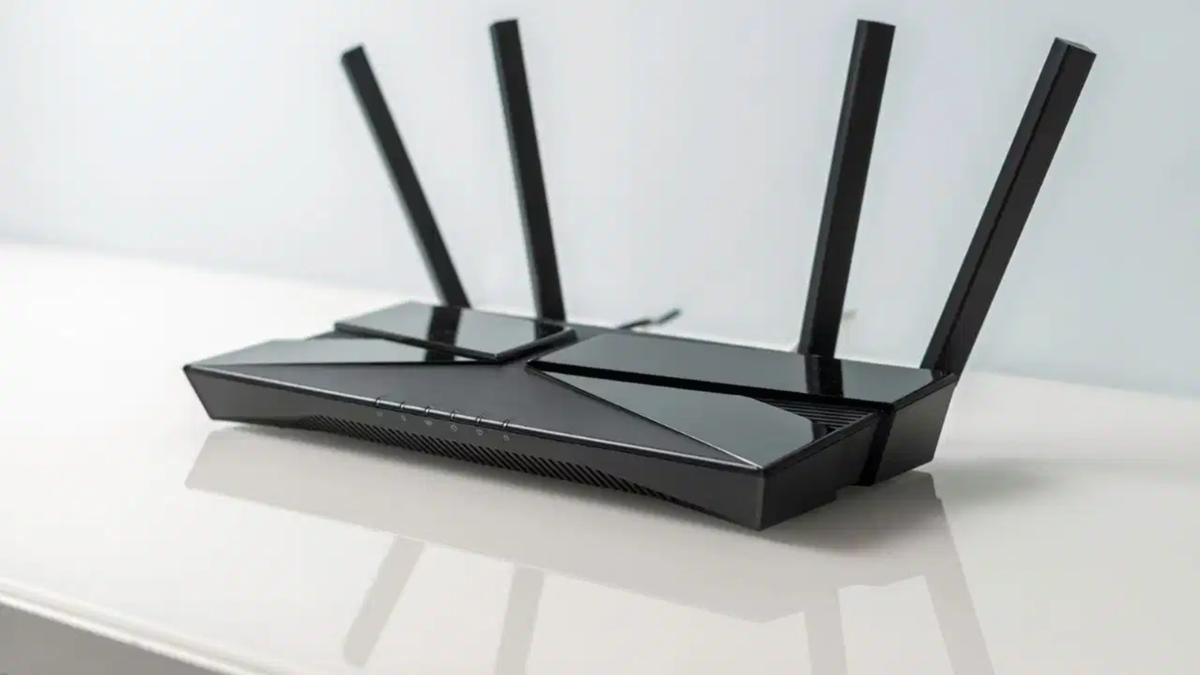
Nowadays, there is no shortage of internet-connected devices in our homes. From smartphones, laptops, smart TVs, and gaming consoles to smart home devices, multiple gadgets run on Wi-Fi simultaneously. Given this, having a good Wi-Fi router is essential. You have likely come across terms like "dual-band" and "tri-band" when shopping for routers. But what is the difference between them, and which router is right for your home? Let’s explain this in simple terms.
What is a dual-band router?
A dual-band router operates on two separate Wi-Fi frequency bands: 2.4GHz and 5GHz. Each has its own distinct characteristics. The main advantage of the 2.4GHz band is its superior range; its signal can penetrate walls and reach other rooms more effectively. However, its speed may be lower compared to the 5GHz band, and it is more prone to interference from other wireless devices. On the other hand, the 5GHz band is capable of delivering much faster speeds and generally experiences less interference. However, its range is shorter than that of the 2.4GHz band, especially when there are multiple walls in between.
If your household activities involve general browsing, social media, video streaming, online classes, or working from home, a good dual-band router should suffice.
What makes a tri-band router different?
A tri-band router features three Wi-Fi bands instead of two. Typically, it includes one 2.4GHz band and two 5GHz bands, although the band configuration may vary in routers supporting newer Wi-Fi standards. The real advantage of a tri-band router becomes apparent when a large number of devices are connected to the same Wi-Fi network. By connecting different devices to separate bands, the load on the network is reduced, allowing it to operate more smoothly when multiple devices are using the internet simultaneously.
Does "tri-band" mean three times the speed?
No. This is a common misconception. Buying a tri-band router does not mean your internet speed will triple. Suppose you have a 200Mbps internet plan; simply installing a tri-band router will not boost that speed to 600Mbps. A router cannot automatically increase the speed defined by your internet plan.
The advantage of a tri-band router lies in better capacity and reduced congestion for networks with many connected devices. For instance, consider a scenario where one person is watching 4K video, another is playing an online game, and multiple smart devices are simultaneously connected to the internet; a tri-band router would be particularly useful in such a situation.
For whom is a dual-band router suitable?
If you have a small to medium-sized home and do not have a large number of devices connected to Wi-Fi simultaneously, a dual-band router is a viable option. They are also generally less expensive than tri-band models. A good dual-band router can easily support activities like web browsing, Full HD or 4K streaming, video calls, working from home, and casual gaming.
Who should buy a tri-band router?
If your household has multiple devices—such as laptops, smart TVs, smart cameras, smart home tablets, and gaming consoles—constantly connected to the network, a tri-band router might be the better choice. The benefits are particularly noticeable in larger homes or in families with heavy internet usage.
Disclaimer: This content has been sourced and edited from TV9. While we have made modifications for clarity and presentation, the original content belongs to its respective authors and website. We do not claim ownership of the content.
