
Did Money Sent via UPI Go to the Wrong Account? Follow These Steps Immediately to Recover Your Hard-Earned Money..
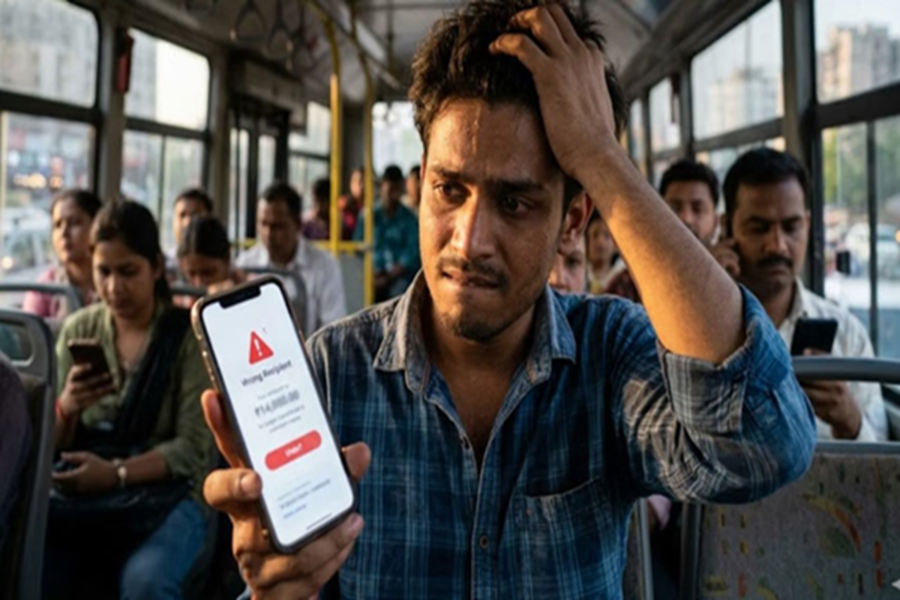
UPI (Unified Payments Interface)—which has become the face of India's digital revolution—has completed 10 years of success. When the NPCI introduced it on April 11, 2016, no one imagined that one day, everyone—from street vendors to large showrooms—would come to rely on 'Scan and Pay.' In March 2026, UPI crossed the milestone of 22.64 billion transactions. However, as usage has increased, so too have instances of erroneous transactions. Often, a single-digit error while typing a mobile number can prove costly, resulting in funds being transferred to someone else's account.
**Can the Money Truly Be Recovered?**
First and foremost, it is crucial to understand that there is no specific button within UPI to reverse an erroneous transaction. This means that once funds have been debited, you cannot simply cancel the transaction. Once a transaction is completed, the bank cannot unilaterally reverse it unless the recipient of the funds provides their explicit consent. UPI operates as a "one-time window," meaning that money transfers from one account to another in the blink of an eye. However, this certainly does not mean that you should sit idly by. The system incorporates several safeguards designed to help you recover your hard-earned money.
**What Should You Do to Recover Your Money?**
If you have made a mistake, your first step should be to attempt to contact the individual to whom the funds were transferred. If that person is honest and agrees to return the money, your issue will be resolved immediately. However, if the other party is uncooperative, you must immediately notify your bank.
Select the 'Report Issue' option via your bank's mobile app or customer care service. Following this, you should visit the official NPCI portal or the BHIM app to formally register a complaint. Remember to carefully preserve the transaction screenshot and the transaction ID, as these serve as the most crucial evidence for your complaint.
**What to Do When the Bank Fails to Respond?**
Often, issues are not resolved at the initial level of the bank's grievance redressal mechanism. In such a situation, you should approach the bank's dedicated Grievance Department. Here, senior officials listen to your concerns with due seriousness. If you do not receive a satisfactory resolution through the bank's internal channels within 30 days, you may directly contact the Ombudsman appointed by the Reserve Bank of India (RBI).
However, it is important to bear in mind that the bank can only assist you in the process. If the recipient has already spent the funds or outright refuses to return them, the subsequent legal proceedings can become lengthy and complex.
**Prevention is the Best Cure**
Haste often leads to financial loss. To avoid erroneous transactions, always prioritize scanning a QR code over manually typing in a mobile number. If you must type the number, double-check and confirm the recipient's name. A highly effective strategy is to initiate a 'test transaction' of ₹1 before transferring a large sum. Transfer the remaining amount only after the recipient confirms that they have received the test payment. UPI represents a perfect blend of security and convenience; a little extra vigilance on your part while using it can go a long way in safeguarding your bank balance.
Disclaimer: This content has been sourced and edited from Amar Ujala. While we have made modifications for clarity and presentation, the original content belongs to its respective authors and website. We do not claim ownership of the content.
