
Cyber Scam Alert: Strangers Asking to Use Your Phone in Public Could Be a Fraud Trap
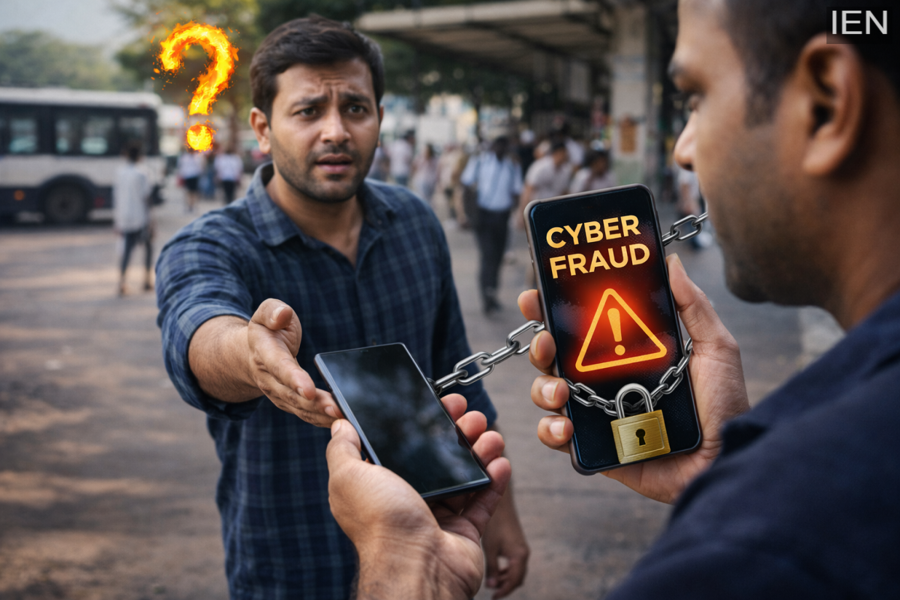
New Cyber Fraud Tactic Targets Helpful People in Public Places
Cybersecurity experts are warning citizens about a growing scam in which strangers ask to use someone’s phone in public places such as roads, markets, or bus stations. What appears to be a simple request for help—such as sending a message or making a quick call—can sometimes turn into a cyber fraud attempt within seconds.
Authorities say this method is becoming a new form of social engineering scam, where fraudsters manipulate people’s goodwill instead of directly hacking devices. Many individuals instinctively hand over their phones to someone who appears to be in need, but experts warn that this small act can expose personal data or lead to financial fraud.
India’s cyber awareness platform Cyber Dost, which operates under the Ministry of Home Affairs’ Indian Cyber Crime Coordination Centre (I4C), has also urged people to remain cautious and avoid giving their phones to strangers without careful consideration.
How the Scam Usually Begins
The scam often starts with a simple conversation. A stranger may approach someone in a public place and claim that their phone has run out of battery or stopped working.
They may say something like:
-
“My phone battery is dead, can I send one quick message?”
-
“Could you please help me make a quick call?”
-
“Just press a button for me, it will only take a second.”
Since the request sounds harmless, many people immediately hand over their phone to help. However, once the fraudster gains access to the device—even for a few seconds—they may attempt to carry out fraudulent actions.
What Fraudsters Can Do With Your Phone
Cybercriminals can exploit even brief access to a smartphone. Some of the common tricks used in such scams include:
-
Sending messages or making calls to specific numbers linked to fraudulent networks
-
Clicking on malicious links that install harmful software
-
Accessing apps or settings that expose sensitive information
-
Attempting to obtain OTP codes or account verification messages
In some cases, scammers may even try to initiate financial transactions or link the device to unauthorized accounts.
Since smartphones often contain banking apps, personal data, social media accounts, and authentication tools, even a short period of access can pose a significant security risk.
Why This Scam Works
This fraud method relies heavily on human psychology and empathy rather than technology. Fraudsters typically present themselves as individuals in distress to gain trust quickly.
Experts describe this tactic as social engineering, a technique where criminals manipulate people into revealing information or granting access voluntarily.
Because the interaction takes place in everyday situations—like a crowded market or bus stop—victims rarely suspect anything unusual until it is too late.
Safety Tips to Avoid This Fraud
Cybersecurity agencies recommend staying alert in such situations. If a stranger asks for help using your phone, consider the following precautions:
-
Avoid handing your phone directly to strangers.
-
If you want to help, dial the number yourself and put the call on speaker without giving them the device.
-
Do not open links, messages, or OTP requests at someone else’s instruction.
-
If something feels suspicious, end the conversation and move away from the situation.
Even a few seconds of caution can prevent potential cybercrime.
How to Stay Digitally Safe
Experts emphasize that digital awareness is one of the most effective ways to prevent cyber fraud. To protect yourself:
-
Always keep your phone locked with a password, PIN, or biometric security.
-
Avoid using sensitive apps or messages in front of unknown people.
-
Regularly update your device’s security settings and apps.
-
Be cautious when interacting with strangers in public spaces.
If you suspect that your phone has been misused or if you become a victim of cyber fraud, you should immediately report it.
Where to Report Cyber Fraud
In India, cybercrime incidents can be reported through official channels:
-
Cybercrime Helpline: 1930
-
Online Complaint Portal: cybercrime.gov.in
Reporting incidents promptly helps authorities track cybercriminal networks and prevent others from becoming victims.
Awareness Is the Best Protection
As cybercriminals continue to invent new methods of fraud, staying informed is essential. Helping others is a positive social value, but experts advise doing so with caution.
In today’s digital world, even a small action—like lending your phone for a moment—can open the door to cyber risks. Being smart, alert, and aware can ensure that your kindness does not become an opportunity for fraud.
