
Cyber Fraud Alert: Scammers Trap Senior Citizens with Fake Pension Bonus Offers, Government Issues Warning
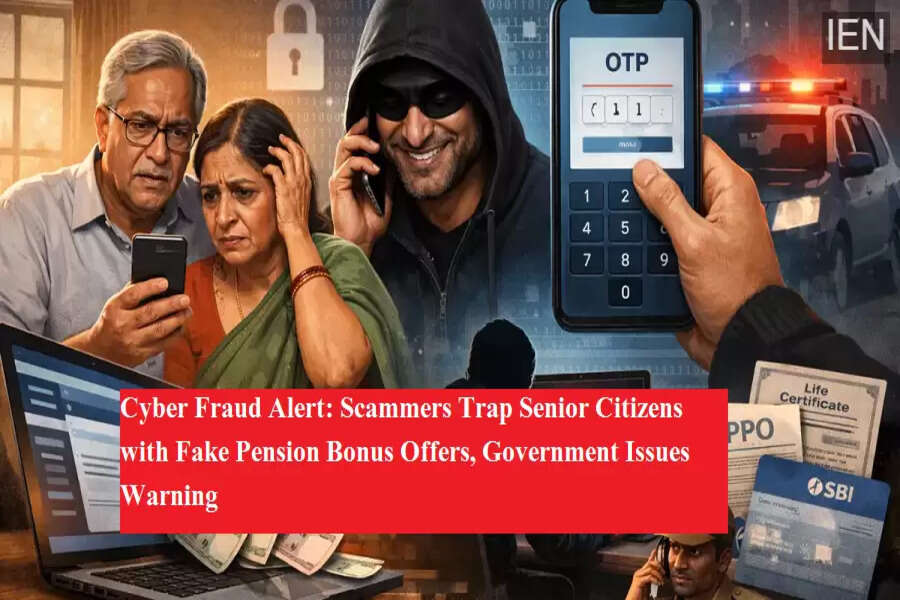
Cybercriminals across India have found a new and alarming target—retired senior citizens. Under the guise of offering pension-related “bonuses,” fraudsters are impersonating bank officials and government representatives to trick elderly pensioners into sharing sensitive information. Authorities have now issued a strong warning as cases of such cyber fraud continue to rise.
According to alerts issued by the Indian Cyber Crime Coordination Centre (I4C), scammers are using leaked personal data to gain the trust of pensioners. Once trust is established, victims are lured into sharing OTPs (One-Time Passwords), which are then misused to drain their bank accounts within minutes. Several public sector banks, including the State Bank of India (SBI), have also advised pensioners to remain vigilant against such fraudulent calls and messages.
Why Senior Citizens Are Being Targeted
Cyber experts explain that retired individuals are particularly vulnerable due to their dependence on fixed pension income and limited familiarity with evolving digital threats. Fraudsters exploit this vulnerability by promising special pension bonuses, arrears, or account updates. In many cases, scammers already possess basic details such as the pensioner’s name, bank, or PPO number, which makes the fraud appear legitimate.
Government agencies have emphasized that no bank or pension authority ever asks for OTPs, PINs, or confidential details over phone calls or messages.
How the Pension Bonus Scam Works
The fraud typically begins with a phone call or text message. The caller claims to be from a government pension department or a bank and informs the pensioner about a “special bonus” or pension revision. To process this supposed benefit, the fraudster asks for verification details.
Common tactics include:
-
Asking for OTPs sent to the registered mobile number
-
Requesting bank account or debit card details
-
Claiming life certificate or PPO update requirements
-
Threatening pension suspension if details are not shared immediately
Once the OTP is shared, scammers gain access to net banking or mobile banking apps and transfer funds to mule accounts. In some recent cases, fraudsters used leaked pension data to convincingly read out personal details, making the call appear authentic.
Government and Bank Warnings
The government, through cyber awareness initiatives such as “Cyber Dost,” has reiterated that pension-related benefits are credited automatically and do not require OTP verification over calls. Banks have also clarified that any official communication is routed only through verified channels and never involves sharing sensitive credentials.
Authorities stress that awareness is the most effective defense against cyber fraud.
How Senior Citizens Can Stay Safe
To avoid falling victim to such scams, pensioners and their families should follow these safety measures:
-
Never share OTPs, PINs, or banking details with anyone
-
Do not trust unsolicited calls or messages claiming pension benefits
-
Verify any information directly through official bank branches or government portals
-
Avoid clicking suspicious links received via SMS or social media
-
Enable strong two-factor authentication on bank accounts
-
Discuss suspicious calls with family members before taking any action
For pension-related queries, seniors are advised to contact the official helpline at 1800-11-1960 instead of relying on unknown callers.
What to Do If You Become a Victim
If someone falls prey to cyber fraud, immediate action is crucial. Victims should:
-
Call the cybercrime helpline 1930 without delay
-
File an online complaint at the official cybercrime portal
-
Register an FIR at the nearest police station
Cyber experts highlight that quicker reporting significantly increases the chances of recovering stolen funds and tracking the fraudsters.
Conclusion
As cybercrime tactics become more sophisticated, senior citizens must remain extra cautious. Fake pension bonus scams are designed to exploit trust and urgency. Staying informed, alert, and connected with family members can go a long way in preventing financial losses. The government continues to urge citizens to report suspicious activity promptly and spread awareness to protect vulnerable communities.
