
Cyber fraudsters become active on WhatsApp during Diwali, luring users with promises of bonuses worth thousands of rupees and free gifts..
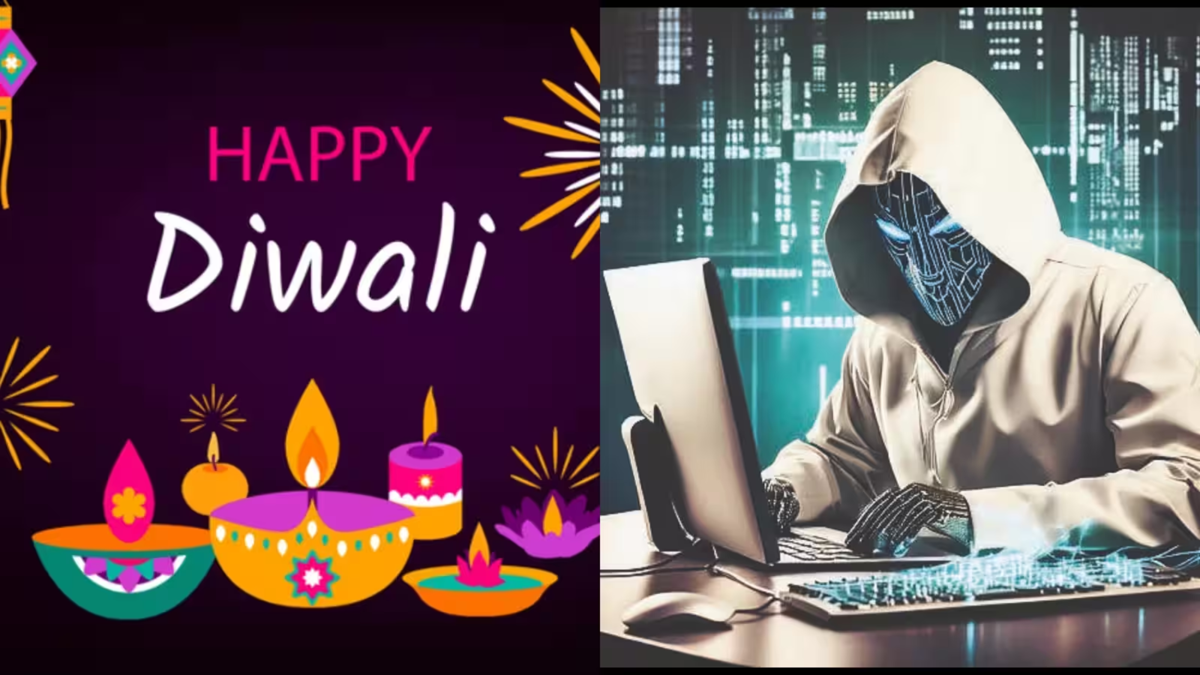
"Diwali Dhamaka! Click this link to get a discount of thousands of rupees on this product—the offer is for a limited time only!" If you have received a message like this on WhatsApp, be careful—do not click on it under any circumstances. During such occasions, scammers often send messages on WhatsApp promising gifts, Diwali bonuses, or massive discounts to lure people into a trap. These messages include a link that may redirect you to a fraudulent website, where you might be asked to provide your name, mobile number, and banking details. Even a moment of carelessness could cost you your hard-earned money.
How do cybercriminals trap people using 'Diwali offers'?
The act of stealing personal information by enticing people with fake offers on WhatsApp is known as 'phishing.' In such scams, cybercriminals create fraudulent websites designed to look like those of well-known retail brands or government schemes. They then send messages claiming that the recipient is eligible for huge Diwali discounts, gifts, or cashback.
To pressure people into making hasty decisions, the messages often state that the offer is valid for a very limited time. Consequently, many individuals open the link without verifying its authenticity. Once on the fake website, users may be asked to enter sensitive information, such as their name, phone number, bank account details, debit or credit card information, or even an OTP. In some instances, scammers may also prompt users to download suspicious, unknown applications.
Recently, a similar message circulated on WhatsApp, claiming that the government was providing an 8,000-rupee Diwali bonus to the public. The Press Information Bureau (PIB) clarified that this claim was false.
According to the PIB, the government is not offering any such bonus. The message was merely an attempt to steal people's personal information. Therefore, it is unwise to trust every offer that arrives on WhatsApp—even if it appears to be from the government or a major, well-known company. Follow these five tips to avoid falling victim to scams disguised as Diwali offers:
1. Avoid opening unknown links: If you receive a message from an unknown number promising gifts, cashback, or massive discounts, do not be tempted to click on any links provided in the message.
2. Verify the authenticity of the offer:
Before taking advantage of any offer, check the official website or app of the company in question. If the offer is not mentioned there, steer clear of such messages.
3. Never share your OTP or UPI PIN:
Do not share banking-related information with anyone. Remember, you do not need to enter a UPI PIN to receive money. Never provide your OTP or UPI PIN to any unknown person or website.
4. Do not download unknown apps:
Avoid installing apps from APK files sent via WhatsApp or from unknown links. Such apps can pose a threat to your phone and personal information.
5. Do not forward messages without verification:
Do not share offers in WhatsApp groups with friends or family without first verifying them. Doing so could cause fake messages to spread further to other people.
What should you do if you fall victim to an online scam?
If you have clicked on a fraudulent link or if money has been deducted from your bank account after you shared your personal information, notify your bank immediately.
Additionally, call the National Cyber Crime Helpline number at 1930. You can also file a complaint regarding an online scam by visiting the government website, cybercrime.gov.in. Taking prompt action is crucial in such cases.
Experts note that during the festive season, there is an increase in messages regarding online shopping and attractive offers. Cybercriminals exploit this opportunity to pressure individuals into clicking on links or sharing personal information. Therefore, it is essential to verify the authenticity of any offer before falling for the lure of gifts, bonuses, or discounts.
Disclaimer: This content has been sourced and edited from Amar Ujala. While we modified it for clarity and presentation, the original content belongs to its respective authors and website. We do not claim ownership of the content.
