
Cut Your AC Electricity Bill This Summer: Smart Hacks to Keep Your Home Cool and Energy Efficient
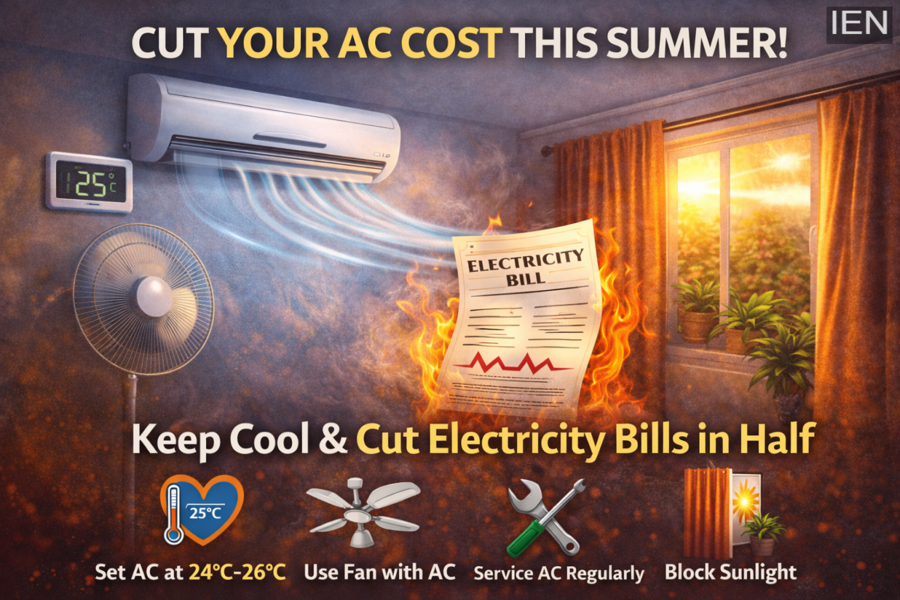
As temperatures rise during the summer months, staying indoors can sometimes feel like sitting inside an oven. Walls absorb heat throughout the day, rooms become warm quickly, and air conditioners (ACs) turn into an essential appliance in most homes. However, running an AC without proper planning can significantly increase electricity bills.
The good news is that keeping your home cool does not always require running the AC continuously. With a few smart habits and small adjustments around the house, you can maintain comfortable indoor temperatures while also reducing energy consumption. Here are some practical tips that can help lower your electricity bill while keeping your home cool during summer.
Set the Right AC Temperature
Many people believe that setting the AC to 18–20°C will cool the room faster. In reality, this only forces the compressor to work harder and increases electricity consumption.
Energy experts recommend setting the AC temperature between 24°C and 26°C. This range provides comfortable cooling while also reducing power usage.
Maintaining this optimal temperature can significantly cut electricity consumption without affecting comfort.
Use a Fan Along with the AC
A common misconception is that fans should be turned off when the AC is running. In fact, using a ceiling fan or pedestal fan together with an AC helps distribute cool air evenly throughout the room.
Fans circulate the cold air more effectively, allowing you to maintain a slightly higher AC temperature while still feeling comfortable. This combination can reduce the load on the AC and save energy.
Service Your AC Regularly
Dust accumulation in filters and coils can reduce an AC’s efficiency. When filters are clogged or coils are dirty, the system must work harder to cool the room, which increases electricity consumption.
Before the summer season begins, it is important to:
-
Clean the AC filters
-
Check the refrigerant gas level
-
Get the system serviced by a technician
Regular maintenance improves cooling performance and also reduces the chances of breakdowns.
Block Heat from Entering the Room
Direct sunlight can quickly increase indoor temperatures. When sunlight enters through windows, the AC has to work harder to maintain the desired temperature.
To prevent this:
-
Use thick curtains or blinds
-
Install reflective window films
-
Seal small gaps in doors and windows
These simple steps help keep cool air inside and prevent heat from entering the room.
Use Smart AC Features
Modern air conditioners come with several energy-saving features such as sleep mode, eco mode, and timers.
-
Sleep mode gradually adjusts the temperature during the night, reducing unnecessary power consumption.
-
Eco mode optimizes cooling while using less energy.
-
Timers allow you to schedule when the AC should automatically turn off.
Using these features regularly can significantly lower electricity usage.
Reduce Heat-Generating Appliances
Many household devices produce heat, which increases the temperature inside a room. Appliances like ovens, irons, traditional bulbs, and even laptops can add to the heat load.
To reduce indoor heat:
-
Replace old bulbs with LED lights
-
Avoid heavy cooking during the hottest part of the day
-
Turn off electronic devices that are not in use
Reducing heat sources helps the AC cool the room faster.
Choose an Energy-Efficient AC
Older air conditioner models typically consume more electricity. If you are planning to purchase a new AC, consider models with inverter technology or a 5-star energy rating.
These air conditioners adjust compressor speed according to the cooling requirement, which helps save electricity while maintaining comfort.
Run the AC Only When Necessary
It is not always necessary to keep the AC running throughout the day. During early mornings or evenings, natural ventilation can help cool your home.
Opening windows to allow fresh air circulation or using fans during cooler hours can reduce dependence on the AC.
Cooling the room before the peak afternoon heat also helps reduce the amount of time the AC needs to run later.
Small Changes Can Make a Big Difference
Even small adjustments around the house can improve cooling efficiency. For example:
-
Place indoor plants near windows
-
Use thicker curtains to block heat
-
Improve wall insulation where possible
These simple habits collectively help maintain a cooler indoor environment and reduce the strain on your AC.
The Bottom Line
Running an AC during summer is often unavoidable, but using it wisely can make a huge difference in electricity bills. By maintaining the right temperature, improving insulation, and adopting energy-efficient habits, you can keep your home cool without overspending on electricity.
Smart usage not only reduces your monthly power bill but also helps conserve energy, making your home both comfortable and environmentally responsible.
