
Could your geyser be breaking down? From the color of the water to the sounds it makes, keep an eye out for these five signs..
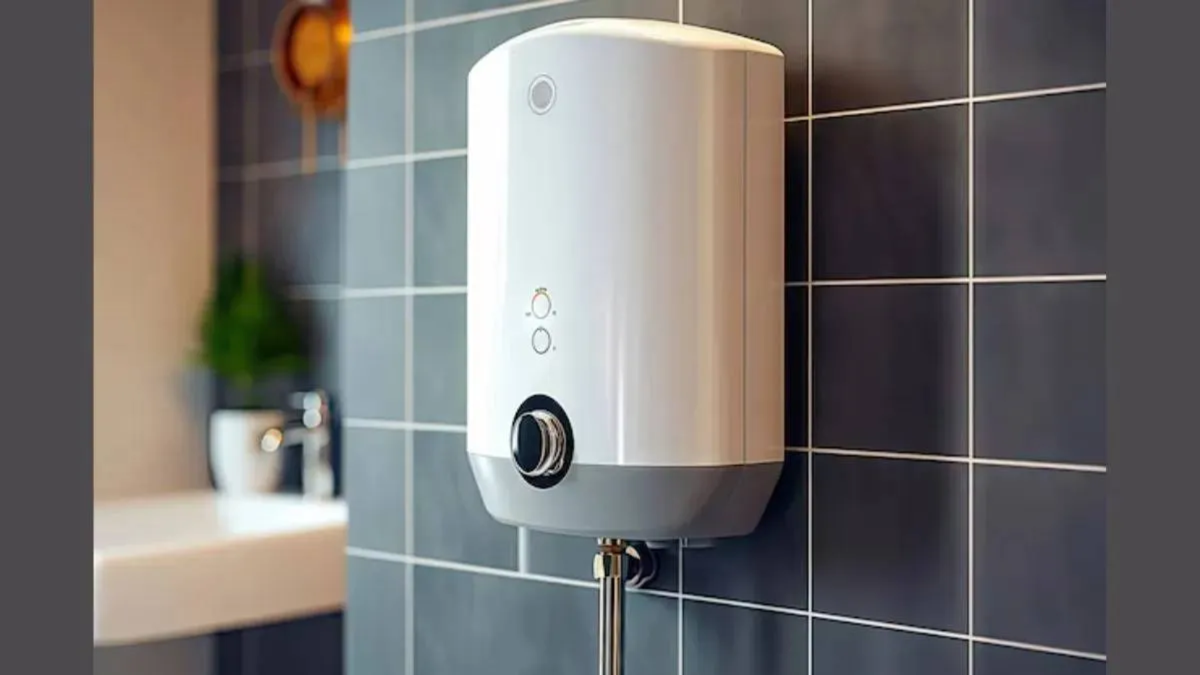
As the winter season begins, the use of water heaters (geysers) in homes increases significantly. From morning showers to the need for hot water in the kitchen, the geyser becomes an essential part of our daily lives. However, a geyser that has been in use for a long time can break down at any moment. Notably, a geyser often shows specific warning signs before it stops working entirely. By identifying these signs in time, you can easily avoid major issues like a sudden loss of hot water or leaks. Let’s look at 5 key indicators that suggest it is time to replace or repair your geyser.
Visible signs: Water pooling near the geyser
If you frequently notice water under or around your geyser tank, do not ignore it. This could be a clear indication of a leak in the tank. Long-term use can lead to rust forming inside the tank, which weakens its components and can cause cracks or holes to develop.
However, the presence of water does not always mean the geyser is broken; sometimes, it may be due to a loose pipe connection or a faulty drain valve. Therefore, be sure to have it inspected by a professional technician.
Discolored hot water (yellow or brown)
If the hot water coming from your tap appears yellow, brown, or rusty—while the cold water remains perfectly clear—it indicates a significant problem within the geyser. A primary cause for this is the formation of rust inside the tank.
Geysers with tanks contain an "anode rod" designed to protect the tank from rust. Over time, this rod degrades. Replacing it periodically can extend the lifespan of your geyser; however, if the water remains discolored even after inspection and repairs, it suggests that the tank itself has sustained internal damage.
Strange Noises from the Geyser
If your geyser begins to make unusual sounds—such as rumbling, thumping, or popping—while heating water, it is a significant sign of a malfunction. Minerals and other impurities present in the water gradually accumulate at the bottom of the tank.
Over time, these form a hard layer, which interferes with the water-heating process and causes the geyser to produce these noises. Often, a professional cleaning of the tank can resolve this issue; however, if the noises persist even after cleaning, it is essential to consult a technician.
Taking Longer to Heat Water
If your geyser is taking significantly longer to heat water than it used to, or if the hot water runs out very quickly, consider this a sign of a malfunction. The accumulation of minerals in the tank reduces its heating capacity. Additionally, in electric geysers, a faulty thermostat or a damaged heating element could also be the cause.
However, keep in mind that this might also occur if the number of household members has increased or if hot water is being used in multiple places simultaneously. Before deciding to purchase a new geyser, it is advisable to have the existing unit technically inspected.
Frequent Breakdowns and High Repair Costs
If your geyser breaks down repeatedly and requires expensive repairs each time, purchasing a new unit may prove to be a better and more cost-effective option than continuing to pay for frequent repairs.
Generally, tank-based geysers last for 10 to 15 years, while tankless (instant) geysers can last for more than 20 years. That said, their lifespan depends entirely on factors such as water quality, usage patterns, and regular maintenance.
Disclaimer: This content has been sourced and edited from Amar Ujala. While we modified it for clarity and presentation, the original content belongs to its respective authors and website. We do not claim ownership of the content.
