
Could you be setting yourself up for a loss by trying to buy a cheap geyser? Be sure to check these things before spending your money..
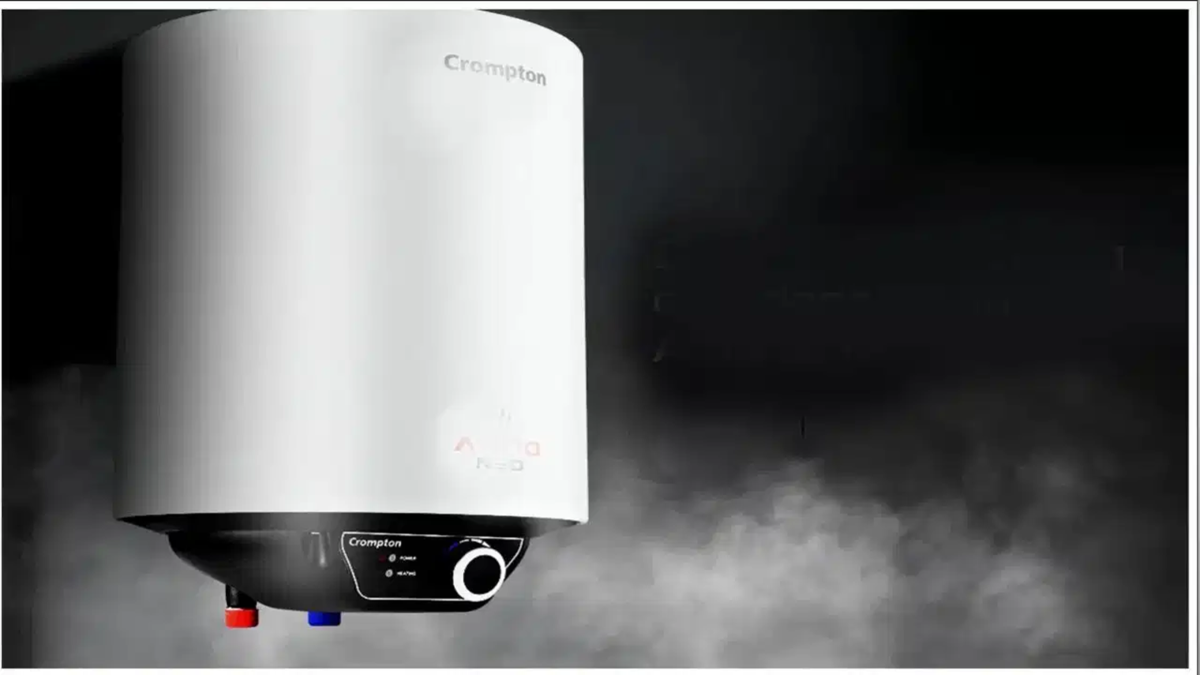
As winter sets in, taking a bath with cold water in the morning can feel like quite a challenge. In such conditions, a geyser (water heater) becomes an essential appliance in every home. Many people purchase one from online sales or local markets as soon as the weather turns cold. However, did you know that buying a geyser without proper information could end up being costly for you later? Choosing the wrong unit can lead to higher electricity bills and even safety-related issues.
Today, the market offers various options, including instant, storage, gas, and solar geysers. Given this, it can be difficult to determine which type is best for your home. If you are planning to buy a new geyser, consider these important points before making your purchase.
Choose the right capacity based on your family size
When buying a geyser, first consider the number of people in your household and your hot water requirements. If you have a small family or only need hot water for tasks like washing dishes in the kitchen, an instant geyser (1 to 3 liters) is a good choice; it takes up minimal space and heats small quantities of water quickly. Conversely, for a household of 4 to 5 members, a storage geyser with a capacity of 15 to 25 liters would be more convenient for bathing.
If you choose a geyser that is too small for your needs, you will frequently have to wait for the water to heat up. On the other hand, opting for one that is larger than necessary can lead to increased electricity consumption. If you live in a high-rise building, be sure to check the geyser's pressure rating; selecting an unsuitable model for high water pressure can result in leakage issues.
Check the star rating to save on electricity bills
Geyser usage increases significantly during the winter. Therefore, when purchasing a new storage geyser, always check its BEE star rating. Opting for a model with a 4 or 5-star rating can be highly beneficial. While the initial cost of such a geyser might be higher, it helps save on electricity bills in the long run. Also, pay attention to the quality of the heating element; models with copper or glass-coated heating elements are available in the market. A high-quality heating element ensures efficient water heating and long-lasting performance.
If your area receives hard water, opt for a geyser with an anti-corrosive coating. You might also consider models with polymer or stainless steel tanks, which are less prone to rust and damage.
Do not overlook safety features.
Since a geyser involves both electricity and water, compromising on safety can be risky. When purchasing, ensure the unit includes an automatic thermal cut-out feature, which stops the heating process if the temperature rises beyond a safe limit. Additionally, a pressure release valve is essential; it reduces excess pressure inside the tank, thereby lowering the risk of accidents. Also, check for an ISI mark—indicating compliance with safety standards—and ensure the unit is installed with proper earthing and necessary electrical safety measures.
Checking the warranty is also crucial.
Do not base your decision solely on price and features; review the manufacturer's warranty and service terms. Many companies offer a 2–3 year warranty on the heating element and a 5–7 year warranty on the inner tank, though this varies by brand and model. Therefore, before purchasing a new geyser, carefully evaluate its capacity, star rating, tank quality, safety features, and warranty. Making the right choice can save you from long-term inconvenience and unnecessary expenses.
Disclaimer: This content has been sourced and edited from TV9. While we have made modifications for clarity and presentation, the original content belongs to its respective authors and website. We do not claim ownership of the content.
