
ChatGPT Atlas: ChatGPT's web browser didn't even last a year; find out why it had to be shut down..
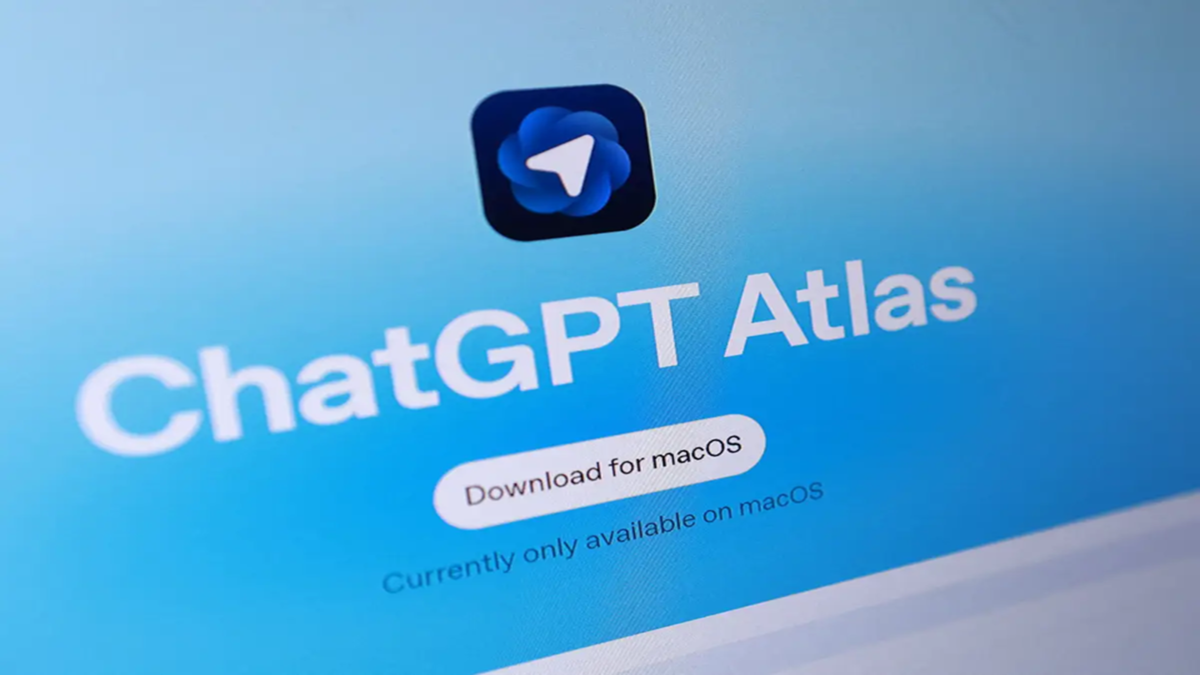
ChatGPT Atlas Browser: OpenAI introduced the ChatGPT Atlas browser with bold claims, but preparations to shut it down are now complete. Team member James Sun announced this major decision on X. Sun clarified that the Atlas browser will be completely shut down by August 2026; however, this does not mean the technology itself is disappearing. Instead, the insights gained from Atlas users and its AI capabilities are being permanently integrated into OpenAI's other popular platforms.
When will Atlas shut down?
According to OpenAI product team member James Sun, Atlas will be shut down on August 9—meaning the closure is targeted for about a month from now. The company will provide detailed information to users via the app and email in the coming days.
James Sun stated that, based on lessons learned from Atlas users, the company is now bringing new AI browsing features to other products to further enhance the web-browsing experience.
When was Atlas launched?
ChatGPT Atlas was launched on October 21. It was OpenAI's first web browser to deeply integrate ChatGPT into the entire browsing experience.
Initially, Atlas was available only on macOS. A preview of "Agent Mode" was released for Plus, Pro, and Business users, enabling ChatGPT to perform tasks such as research, planning, and booking. Although Windows, iOS, and Android versions were announced, they were never released.
What will replace Atlas?
Alongside the shutdown of Atlas, OpenAI has released its newest GPT-5.6 model and three major updates from the browser team, which will be collectively known as "ChatGPT Work." These are detailed below...
Desktop app with in-app browser: The new ChatGPT desktop application now includes a fully functional in-app browser. Cloud-based Work Mode: A new work mode has been added to chatgpt.com and mobile apps. This mode utilizes a cloud-based browser operated by an AI agent.
Side Chat Extension for Google Chrome: The company has introduced an impressive Chrome extension. It allows ChatGPT and Codex to directly access the user's entire browsing session, highlighted text, and tabs, as well as the local file system and installed plugins. Tasks initiated via this extension will sync directly with your desktop app.
How was Atlas built?
Atlas was developed using OpenAI's custom OWL (OpenAI's Web Layer) architecture. In this setup, the Chromium browser engine runs in a process isolated from the main application, resulting in benefits such as faster startup times, a native macOS interface, and improved stability.
Why is this change being made?
The company states that instead of creating separate apps, OpenAI aims to consolidate its AI capabilities onto a single platform, thereby reducing the need for users to switch between different applications. This also minimizes the need to install a separate browser, offering an integrated experience that combines browsing, research, coding, and other AI tools directly within ChatGPT.
Disclaimer: This content has been sourced and edited from Amar Ujala. While we have made modifications for clarity and presentation, the original content belongs to its respective authors and website. We do not claim ownership of the content.
